Leave Your Message
Innovative components and systems engineered to minimize energy consumption and maximize utility efficiency.

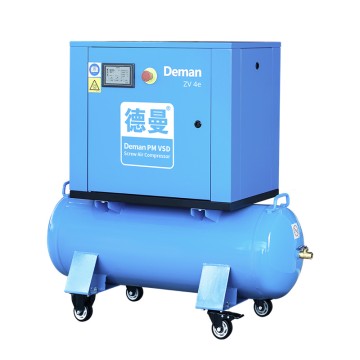
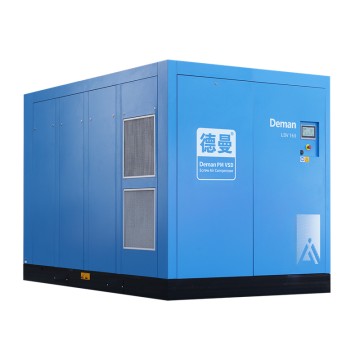
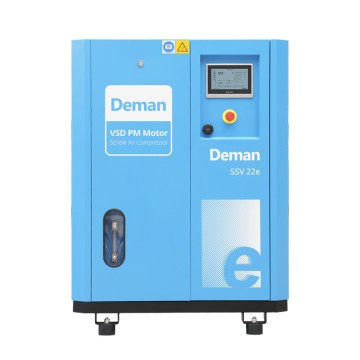
In today's global industrial landscape, compressed air is often referred to as the "fourth utility," alongside electricity, water, and natural gas. However, it is also one of the most energy-intensive resources utilized within a manufacturing facility. Statistically, compressed air systems account for approximately 10% to 30% of a typical plant’s total electrical energy consumption. This high cost profile makes the selection and optimization of compressed air systems a priority for plant managers aiming to reduce operational expenditures and meet carbon reduction targets.
The Twin Screw Air Compressor has emerged as the technology of choice for modern factory operations. Utilizing two intermeshing helical screws (rotors) to compress air continuously without the pressure pulsations characteristic of reciprocating piston compressors, twin screw technology provides a reliable, high-volume flow of compressed air. When paired with advanced controls and variable speed drives, these machines represent the pinnacle of pneumatic system efficiency.
Up to 90% of the electrical energy supplied to a standard compressed air system is converted into waste heat. Without advanced planning, heat recovery, and variable speed control, factories literally blow thousands of dollars of energy out of their exhaust systems every month.
Historically, air compressors operated on a simple load/unload cycle. When air demand dropped, the compressor continued to run at full speed while closing its intake valve, consuming up to 70% of its full-load power while producing no useful air. This wasteful method is a primary source of inefficiency in older plant setups.
The integration of Permanent Magnet Variable Speed Drive (PM VSD) motors directly resolves this issue. By utilizing high-efficiency permanent magnets in the motor rotor, PM VSD compressors can dynamically adjust their rotational speed to match the precise real-time air demand of the factory. If the demand drops by 50%, the motor slows down, reducing power consumption proportionately. This capability eliminates idle run time, reduces system pressure fluctuations, and can deliver energy savings of up to 35% to 50% compared to fixed-speed compressors.
The core mechanism consists of a male and female rotor. As they rotate, the space between them and the casing decreases, compressing the trapped air. Because the process is continuous, there is minimal friction and wear, leading to exceptional longevity. To maximize the efficiency of this process, manufacturers focus on rotor profile optimization, minimizing clearances, and ensuring precise thermal management within the compression chamber.
Different manufacturing sectors present unique demands for compressed air quality, volume, and pressure consistency. Implementing the correct twin screw compressor configuration is essential to meeting these requirements efficiently.
Automotive assembly plants operate on a massive scale, relying on compressed air for robotic arms, pneumatic tools, stamping presses, and painting booths. In the paint shop, even minor pressure fluctuations can cause defects in the finish, leading to expensive rework. A PM VSD twin screw air compressor ensures a stable system pressure, preventing pressure drops during peak demand periods while minimizing energy use during lower-demand shifts.
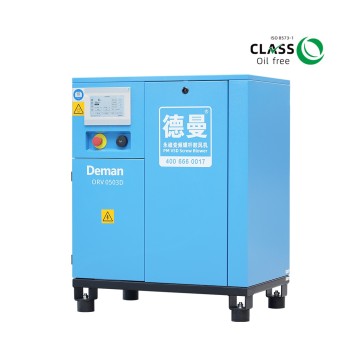
In food and beverage processing, product purity is paramount. Compressed air is used for product sorting, bottling, packaging, and sorting. Here, oil-free screw blowers and compressors are essential to prevent contamination. By utilizing oil-free screw technology, plants comply with strict food safety standards while maintaining the energy-efficiency advantages of screw-type compression.
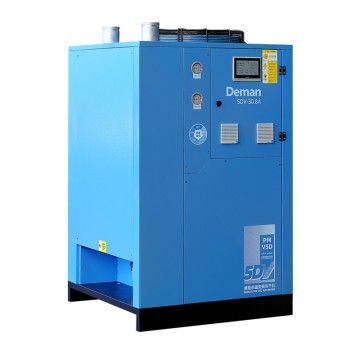
Chemical processing and pharmaceutical manufacturing require clean, dry, and oil-free compressed air for process instrumentation, product transport, and sterile packaging. The integration of intelligent refrigerated air dryers with PM VSD controls ensures that moisture is removed from the air line with minimal pressure drop and low energy consumption, protecting downstream equipment and product integrity.
Textile mills run continuous, high-volume pneumatic weaving machines that demand steady, round-the-clock air flow. In these operations, even a 0.1 MPa reduction in operating pressure can yield significant energy savings. Utilizing low-pressure (0.3-0.45 MPa) high-efficiency twin-screw air compressors specifically tailored to these applications prevents the energy waste of compressing air to a high pressure only to regulate it down at the terminal point.
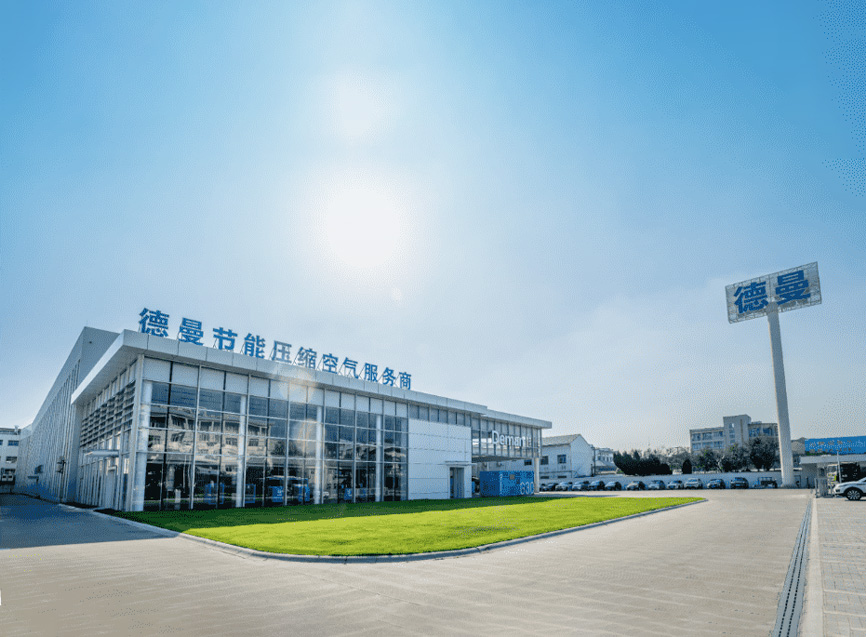
Founded in 1998, Deman has been at the forefront of the air compressor industry by leading energy-saving initiatives in China. We are proud to be the primary drafter of China's national industry standards for VSD Oil-injected Screw Air Compressors (JB/T10972) and PM VSD Screw Air Compressors (JB/T 13345-2017).
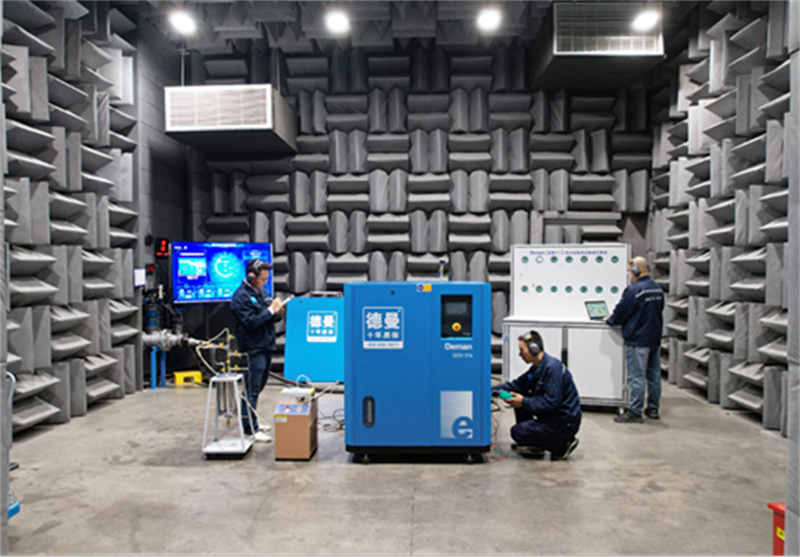
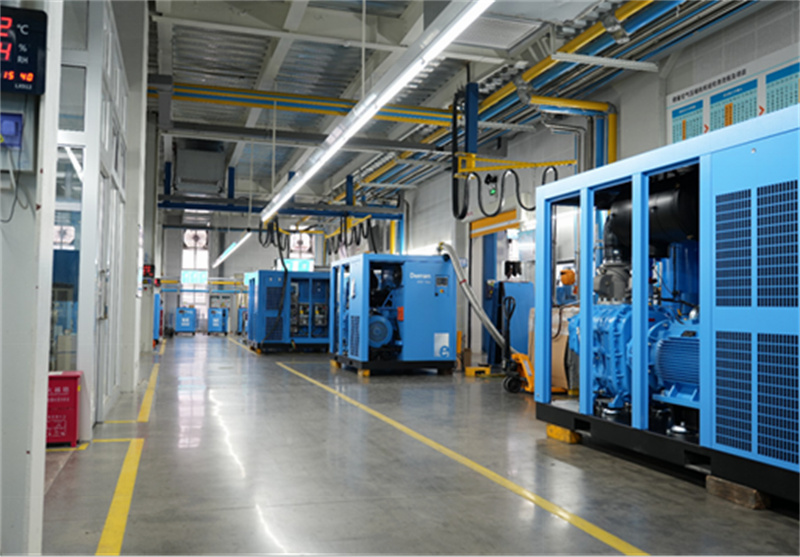
As a China National High-tech Enterprise, Deman integrates R&D, manufacturing, sales, and service. With a robust R&D team of over 140 technical professionals, our factory based in Ningbo, China is ISO9001:2015, ISO14001:2015, and ISO45001:2018 certified. Our product testing process strictly adheres to ASME and ISA1932 standards to ensure the delivery of safe, reliable, and highly efficient compressors.
Take a look inside our certified production facility, where precision engineering meets rigorous quality control standards.
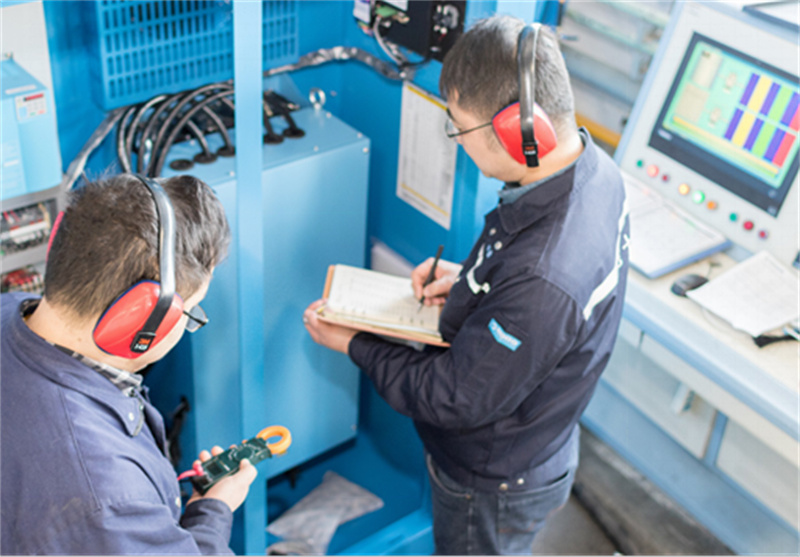
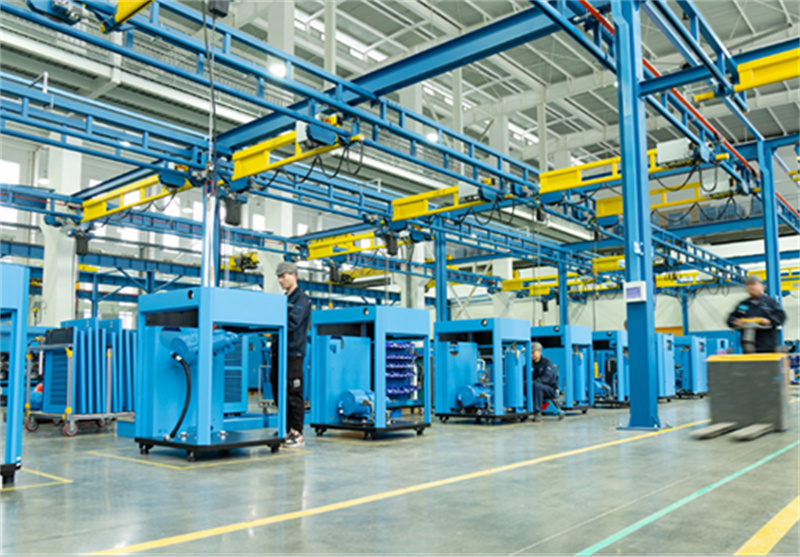
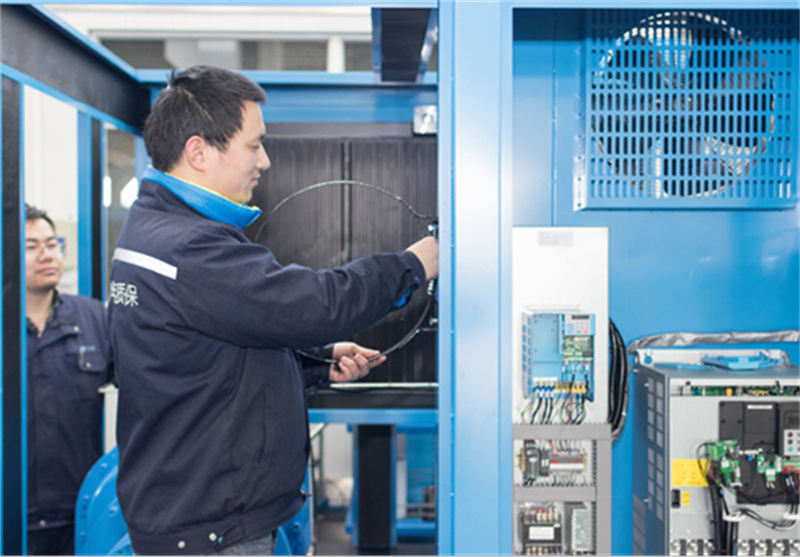
We follow a systematic "Six-End" methodology to deliver optimal value and efficiency for your compressed air system.
"No planning, no machine selling". We analyze the air pressure, flow, and quality requirements of each terminal at your factory before proposing a system. This upfront planning prevents mismatched systems that reduce production efficiency.
We apply "Three-dimensional Customization" to design your station around your pressure, flow, and quality needs. Combining Deman compressors, dryers, heat recovery units, and our "Air Commander" control system optimizes both production quality and energy consumption.
Our specialized installation team designs and installs air pipe networks using Deman energy-saving aluminum alloy or stainless-steel green piping. This design minimizes pressure drops across the distribution network.
As the industrial sector moves toward digitalization and smart manufacturing, compressed air systems are evolving to integrate IoT and AI technologies. These advances enable plant operators to transition from reactive maintenance to predictive maintenance, minimizing downtime and optimizing energy consumption in real time.
Modern compressor stations are increasingly managed by centralized control systems like Deman's "Air Commander." These systems collect data from sensors throughout the air network, analyzing parameters such as temperature, pressure, flow rate, and vibration. Machine learning algorithms use this data to predict component wear, detect system leaks, and coordinate the operation of multiple compressors to ensure they run at their optimal efficiency points.
As noted, a large portion of the electrical energy consumed by an air compressor is converted into heat. Modern plant operations capture this thermal energy using oil-to-water heat exchangers. This recovered heat can produce hot water for sanitation, space heating, or boiler pre-heating, allowing plants to offset fuel costs and reduce their overall carbon footprint.
Many industrial processes require air at pressures well below standard factory line pressure (typically 0.7-0.8 MPa). Generating air at high pressure only to regulate it down at the point of use represents a significant energy loss. Utilizing specialized low-pressure twin screw compressors (designed for 0.3-0.45 MPa) allows plants to match generation pressure to process requirements, reducing energy consumption by up to 30% for those specific applications.
Reducing your system pressure by just 1 bar (0.1 MPa) decreases your compressor's power consumption by approximately 7%. A properly sized piping network with smooth, corrosion-resistant materials is key to maintaining low pressure drops.
To maximize energy efficiency and system reliability, plant engineers should evaluate several factors when selecting a twin screw air compressor:
Explore our full line of twin screw compressors, blowers, dryers, and integrated solutions designed for energy-efficient operations.