
Leave Your Message
The Seattle metropolitan area, historically celebrated as a global hub for aviation and maritime commerce, has transformed into a powerhouse of advanced technology, biotechnology, and clean manufacturing. From the expansive aerospace manufacturing facilities in Everett and Renton to the cutting-edge biotech laboratories in South Lake Union, the demand for highly efficient, reliable, and intelligent utility systems is at an all-time high. Among these systems, the twin screw air compressor stands as the silent driver of the modern Pacific Northwest industrial landscape.
Often referred to as the "fourth utility" after electricity, water, and natural gas, compressed air is vital for automated assembly lines, precision pneumatic tool operation, chemical processing, and product packaging. In Seattle, where municipal energy-efficiency standards are among the strictest in the United States, traditional fixed-speed compressors are rapidly being replaced by intelligent Permanent Magnet Variable Speed Drive (PM VSD) twin screw systems. Local enterprises are seeking suppliers that do not just sell hardware, but provide comprehensive, energy-saving systems that align with Washington State's rigorous carbon footprint reduction goals.
Unlike reciprocating compressors, twin screw air compressors utilize two intermeshing helical screws to compress air continuously without pulsation. This design delivers a steady flow of air, operates at significantly lower sound levels, and boasts a much higher duty cycle, making it ideal for the high-density commercial zones of King, Pierce, and Snohomish counties.
Understanding the local applications helps in selecting the right compressor setup. Here is how twin screw air compressors are integrated into Seattle's core sectors:
Founded in 1998, Deman has been at the forefront of the air compressor industry by leading the energy-saving initiatives in China. We are the primary drafter of China's industry standards for VSD Oil-injected (JB/T10972) and PM VSD Screw Air Compressors (JB/T 13345-2017).
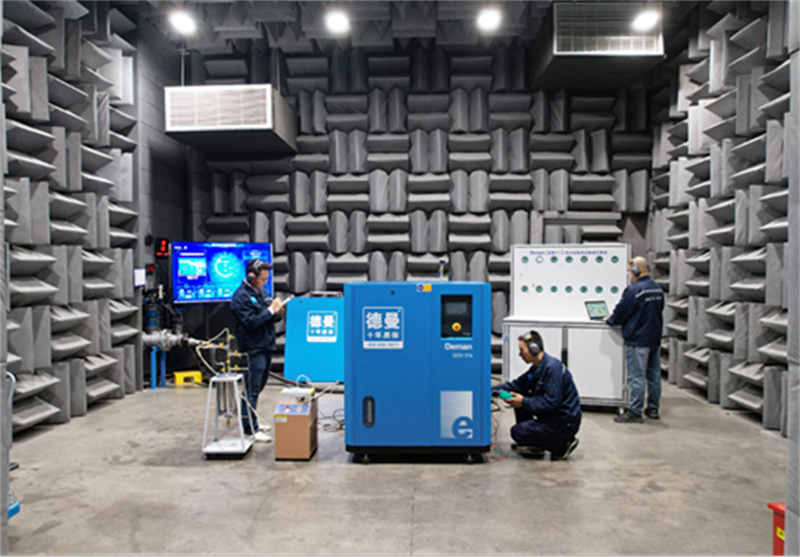
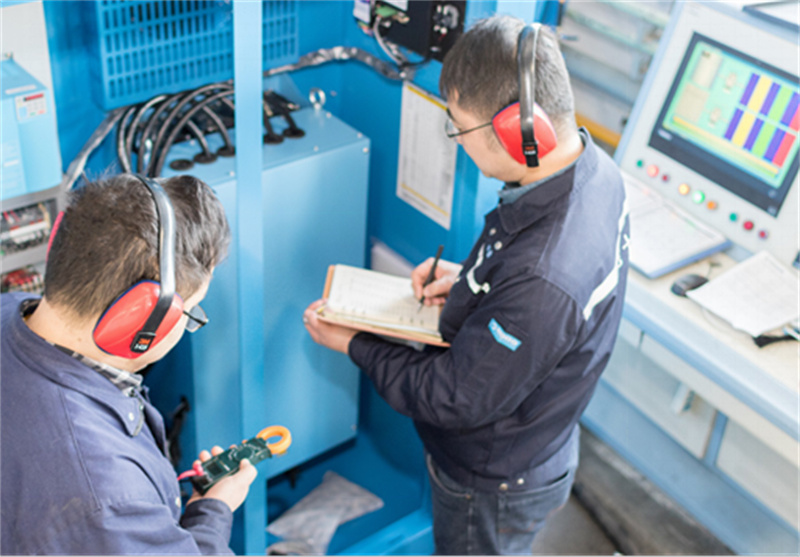
As a China National High-tech Enterprise, Deman has integrated capabilities in R&D, manufacturing, sales, and service. We have a robust R&D team of over 140 technical professionals. Our factory, based in Ningbo, China, is ISO9001:2015, ISO14001:2015, and ISO45001:2018 certified. Our product testing process strictly adheres to ASME and ISA1932 standards to ensure the delivery of safe and reliable compressors.
By entering the North American market, including key industrial hubs like Seattle, Deman brings decades of engineering excellence, energy-efficient designs, and robust manufacturing capabilities directly to businesses looking to optimize their operational overheads.
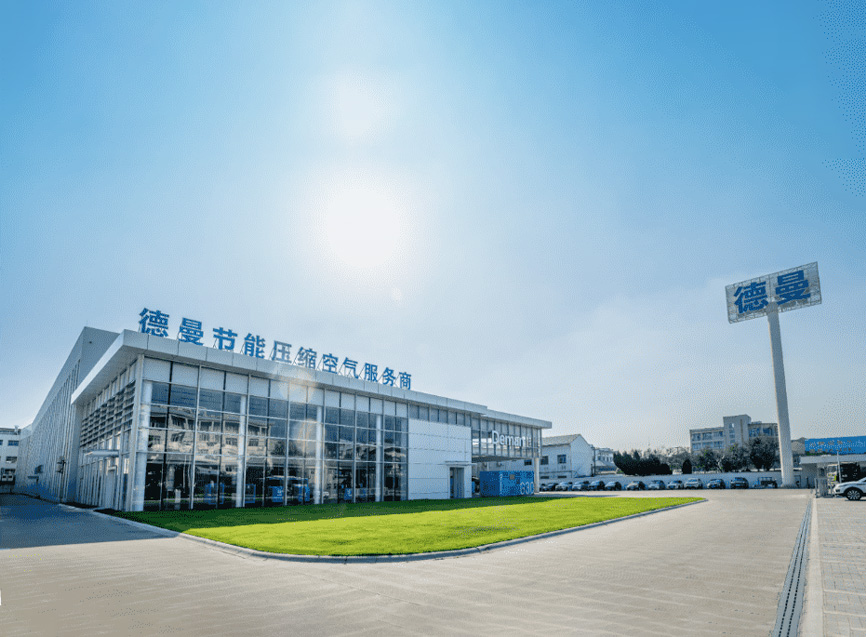
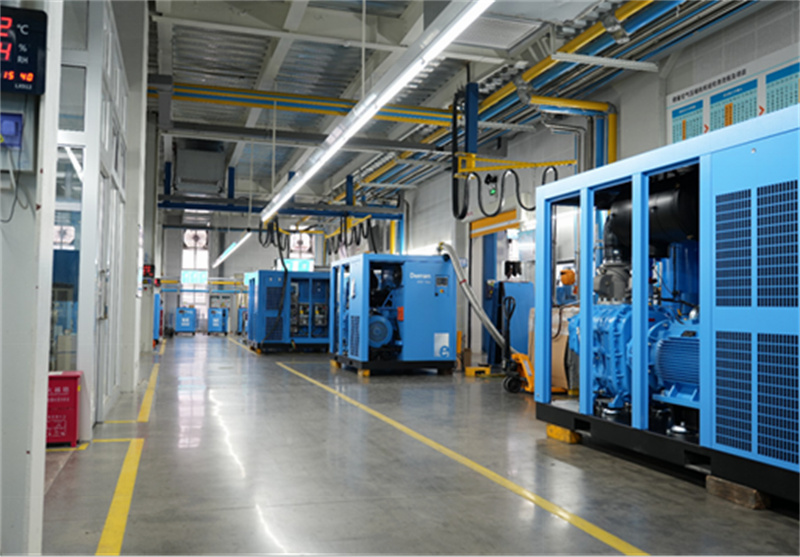
Explore our state-of-the-art testing facilities and manufacturing workshops designed for global standards
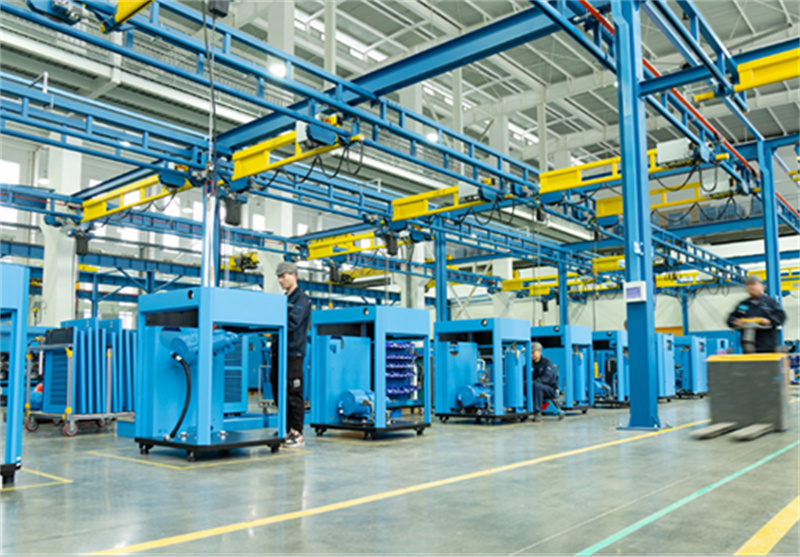
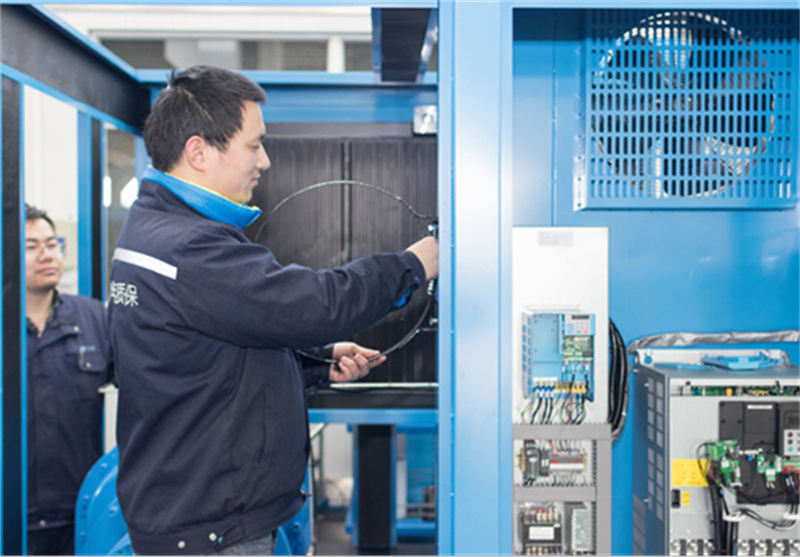
As Seattle pushes forward with its "Green Seattle Partnership" and aggressive climate action plans, industrial operations are under constant pressure to audit and optimize their energy consumption. Compressed air systems are notoriously energy-intensive, often accounting for up to 30% of a manufacturing facility's total electricity usage. Consequently, the local market is experiencing three distinct trends:
Traditional fixed-speed compressors run at a constant speed regardless of the actual demand for air, wasting immense amounts of energy when demand fluctuates. PM VSD twin screw compressors, however, dynamically adjust the motor speed to match the precise real-time air consumption. This technology can reduce energy bills by up to 35% to 50%. For Seattle-based companies, this translates to thousands of dollars saved annually and eligibility for substantial energy efficiency rebates from local utilities like Seattle City Light and Puget Sound Energy (PSE).
The integration of Artificial Intelligence and Internet of Things (IoT) in industrial machinery is no longer a futuristic concept—it is a current requirement. Modern systems, such as Deman's "Air Commander" Multi-Compressor Central Control System, monitor pressure drops, predict maintenance schedules, and balance workloads across multiple machines. This prevents unexpected downtime, which is exceptionally costly in fast-paced production environments like aerospace component machining.
With real estate prices soaring in the Seattle-Bellevue-Everett corridor, many light manufacturing and tech assembly plants operate in mixed-use or urban-adjacent zones. This makes noise pollution a critical compliance factor. Modern twin screw compressors are engineered with advanced acoustic enclosures and direct-drive technologies, ensuring they can be placed closer to the point of use without disrupting the working environment.
When sourcing twin screw air compressors in the Pacific Northwest, engineering teams look for systems that meet ASME standards for pressure vessels, ISA1932 for flow measurement, and hold recognized international certifications. This ensures that the machinery integrates seamlessly into existing plant infrastructures and satisfies local safety inspections.
We follow six-end solutions to create infinite value for client's efficient use of compressed air
"No planning, no machine selling". We make sure to understand the air pressure, air flow, and air quality requirements of each air use terminal at the client's factory before selling anything. While most customers want to spend less for a better machine, we believe it is necessary to invest time in planning to avoid mismatched systems that can reduce production efficiency.
Applying "Three-dimensional Customization", meaning we customize the compressor station in terms of air pressure, air flow, and air quality requirements. By selecting the best combination of Deman air compressors + air dryers + heat recovery units + "Air Commander" central control systems, we ensure customers not only improve production quality but also reduce energy consumption.
In order to make customers' lives easier, we established a professional team for designing and installing air pipe networks using Deman energy-saving aluminum alloy or stainless-steel green air pipes. Our scientific design, green materials, and professional installation ensure efficient air transmission with minimal pressure drop.
Selecting a local supplier or international manufacturing partner for your compressed air system involves evaluating several critical factors. It goes beyond comparing the initial purchase price. A reliable supplier should offer comprehensive support, starting from initial audit and sizing to long-term aftermarket maintenance.
Every factory has a unique demand profile. A food packaging plant requires oil-free, dry air, whereas a structural steel fabrication yard near the Port of Tacoma requires high volume, high-pressure air for heavy blasting. A partner that offers customized solutions—tailoring the system's pressure and flow to match the specific application—will prevent energy waste and premature equipment wear.
For operations using multiple compressors, a centralized controller is indispensable. Without it, compressors may fight each other to control system pressure, leading to frequent loading and unloading cycles. Integrating smart controllers like the "Air Commander" ensures that the most efficient combination of machines is running at any given moment, optimizing the system's overall specific power consumption.
A compressed air system is dynamic. Over time, pipe leaks, changes in production layouts, and worn-out filters can degrade system efficiency. Choosing a supplier that emphasizes professional pipe design, high-quality corrosion-resistant piping (such as aluminum alloy or stainless steel), and regular air audits will protect your investment for decades.
Explore our full range of twin screw air compressors, vacuum pumps, dryers, and intelligent control systems.
 ZVe Series Single-stage PM VSD Air Compressor
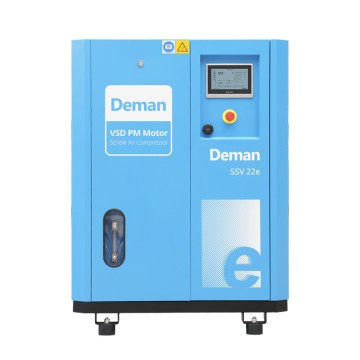 SSVe Series Air Compressor
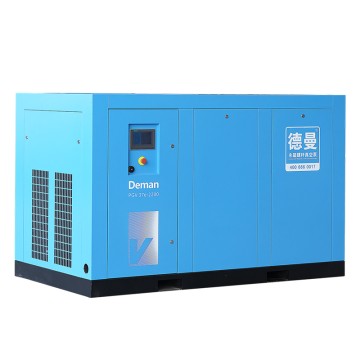 PGVe Series PM VSD Screw Vacuum Pump
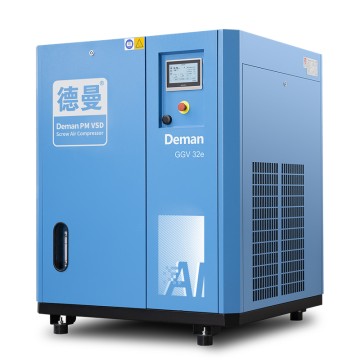 GGVe Series AI Air Compressor
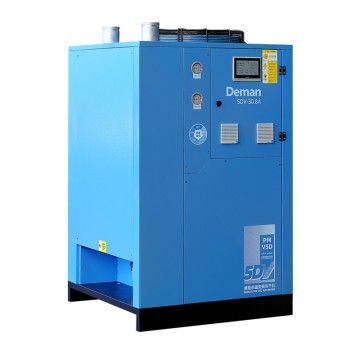 5DV Series Intelligent PM VSD Refrigerated Air Dryer
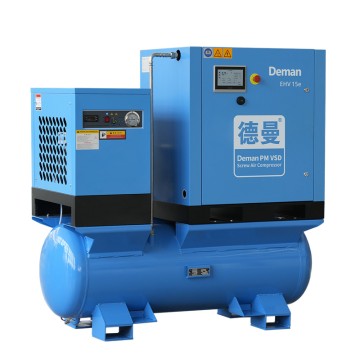 EHV Series- Air Compressor for Laser Cutting
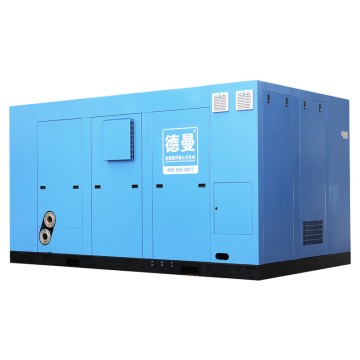 Magnetic Levitation Centrifugal Air Compressor
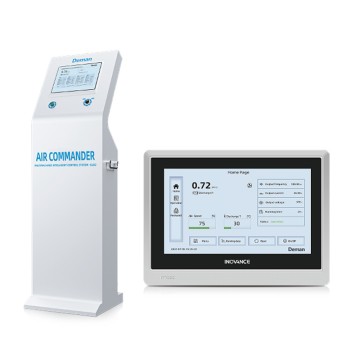 "Air Commander" Multi-Compressor Central Control System