Leave Your Message
Discover our primary heavy-duty air compression equipment designed to withstand the rigors of construction environments, ensuring uninterrupted power and optimal structural efficiency.
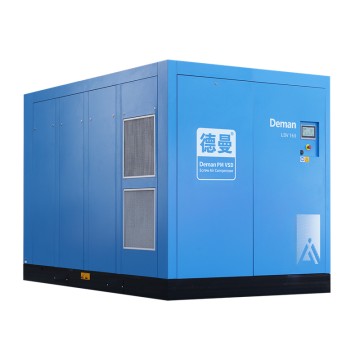

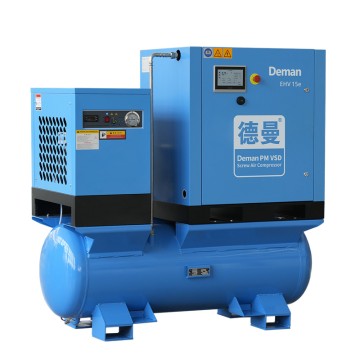
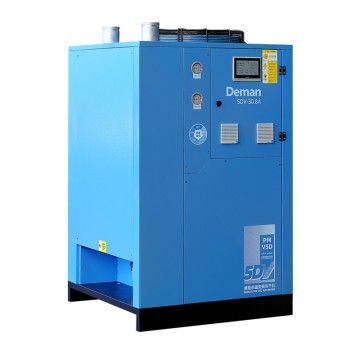
In modern civil engineering and infrastructure development, compressed air is often referred to as the "fourth utility" alongside electricity, water, and gas. Screw air compressors for construction site operations represent the backbone of heavy engineering, providing continuous, high-volume pneumatic power to run everything from handheld jackhammers to massive piling rigs and tunnel boring machines. Unlike static factory environments, construction sites present unique operational challenges: fluctuating air demand, highly abrasive dust, extreme ambient temperatures, and the need for frequent equipment relocation.
From a commercial perspective, the efficiency and uptime of site compressors directly impact project timelines and bottom-line profitability. A single hour of compressor downtime can stall critical path operations, such as concrete spraying (shotcreting) during tunnel stabilization or foundation drilling, leading to cascading delays and substantial financial penalties. Consequently, construction firms are increasingly moving away from traditional, low-efficiency piston compressors and standard fixed-speed units in favor of advanced rotary screw air compressors equipped with Permanent Magnet Variable Speed Drive (PM VSD) technology. These systems offer unparalleled reliability and energy savings, positioning them as critical assets in modern, cost-conscious engineering fleets.
"Modern infrastructure demands equipment that can perform under pressure. The transition to smart, PM VSD rotary screw compressors is not just an environmental choice—it is a commercial necessity for survival in a highly competitive construction market."
To understand the value of a high-performance screw air compressor, one must examine the diverse and demanding applications it powers across typical construction sites:
Deep foundation work requires drilling deep shafts through rock and soil. Down-the-hole (DTH) hammers and rotary drills rely on massive volumes of high-pressure compressed air to actuate the hammer mechanism and blow out drilled cuttings from the hole. A reliable screw air compressor ensures that air pressure remains constant, preventing the drill bit from binding and ensuring rapid penetration rates through tough geological formations.
In tunneling, mining, and slope stabilization, shotcrete is applied at high velocity to structural surfaces. Compressed air is introduced at the nozzle to atomize the concrete mix and project it onto the wall. Any pulse or drop in air flow leads to uneven application, structural weakness, and excessive rebound waste. The smooth, continuous air delivery of a twin-screw compressor is essential for maintaining concrete consistency and structural integrity.
Before structural steel can be welded or painted, it must be cleared of rust, scale, and old coatings. Sandblasting demands continuous, high-volume air flow at high pressures. Screw compressors handle these intensive cycles effortlessly, maintaining the necessary nozzle velocity to achieve specified surface profiles quickly and efficiently.
From heavy-duty impact wrenches used in bridge construction to pneumatic nailers and tamping rams, site utilities require a centralized, reliable source of dry, clean air. By employing integrated systems featuring PM VSD compressors and refrigerated air dryers, operators protect sensitive pneumatic tools from moisture-induced corrosion and freezing.
The construction machinery sector is undergoing a rapid technological evolution, driven by environmental regulations, rising fuel and energy costs, and the digital transformation of job sites. Several key trends are shaping the future of screw air compressors for construction site operations:
A construction site is one of the most hostile environments for any rotating machinery. High concentrations of ambient dust, concrete particulate, moisture, and extreme temperatures can quickly degrade compressor performance if not properly managed. To combat these hazards, premium screw compressors incorporate specialized engineering solutions:
Advanced Filtration Systems: Heavy-duty, multi-stage air intake filters are mandatory. These systems capture fine dust before it can enter the compression chamber, protecting the precision-engineered rotors from abrasive wear. Additionally, high-efficiency oil separators ensure that the compressed air remains clean and free of oil mist.
Thermal Management: Compressors operating outdoors must withstand extreme seasonal temperature swings. Thermostatically controlled cooling fans and oversized radiators prevent overheating in summer and ensure rapid warm-up cycles during freezing winter starts, maintaining optimal oil viscosity and preventing internal condensation.
Founded in 1998, Deman has been at the forefront of the air compressor industry by leading energy-saving initiatives in China. We are proud to be the primary drafter of China's national industry standards for VSD Oil-injected (JB/T10972) and PM VSD Screw Air Compressors (JB/T 13345-2017).
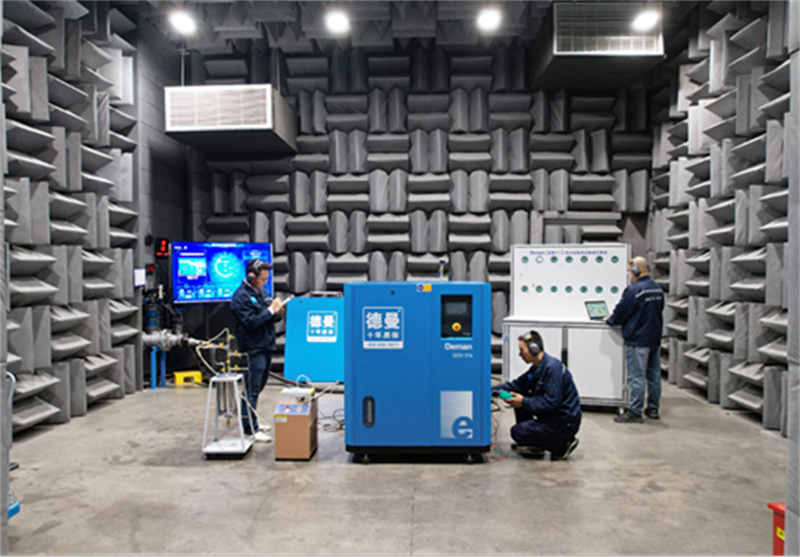
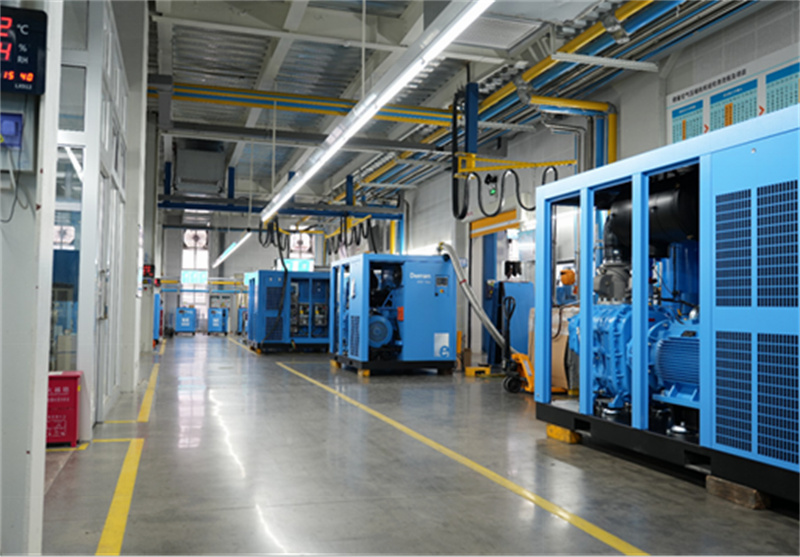
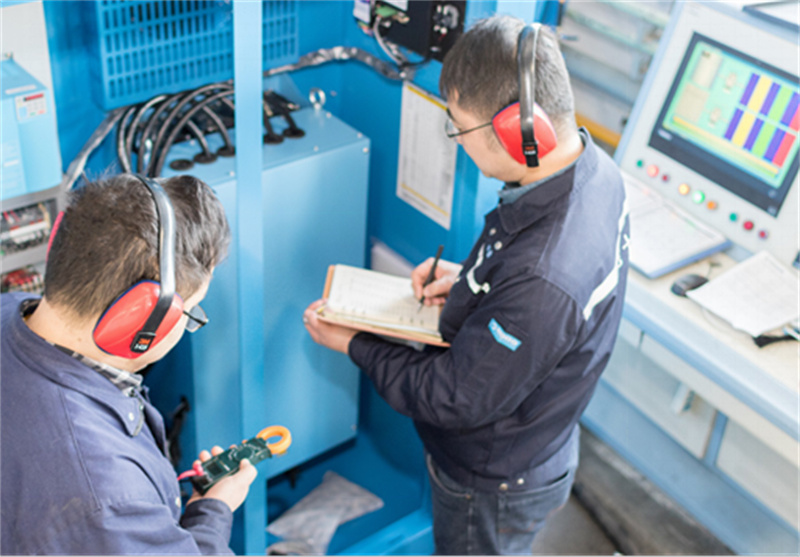
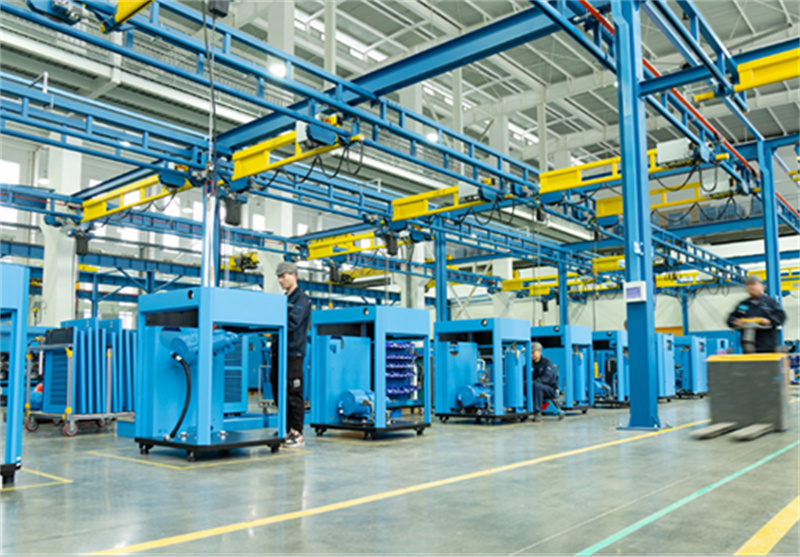
As a designated China National High-tech Enterprise, Deman integrates robust capabilities in R&D, advanced manufacturing, global sales, and comprehensive after-sales service. We boast an elite R&D team consisting of over 140 technical professionals. Our manufacturing facility in Ningbo, China is certified under ISO9001:2015, ISO14001:2015, and ISO45001:2018. To guarantee safety and reliability, our product testing processes adhere strictly to ASME and ISA1932 standards.
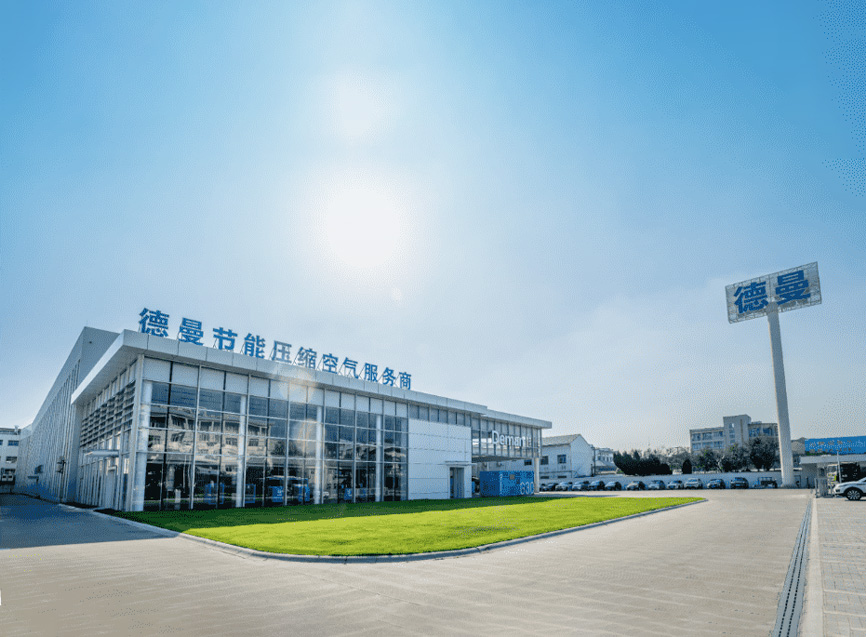
Step inside our state-of-the-art manufacturing facility in Ningbo, China, where precision engineering meets rigorous quality control standards.
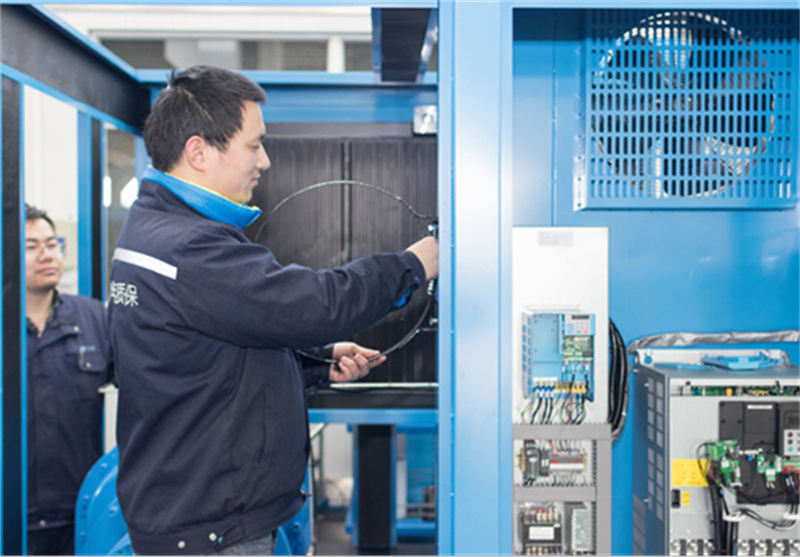
We follow a rigorous, scientific methodology to create infinite value for our clients' compressed air operations, ensuring efficiency from production to consumption.
"No planning, no machine selling". We make sure to thoroughly understand the air pressure, flow rate, and air quality requirements of each air use terminal at the client's site before proposing any hardware. This avoids mismatched systems that reduce production efficiency.
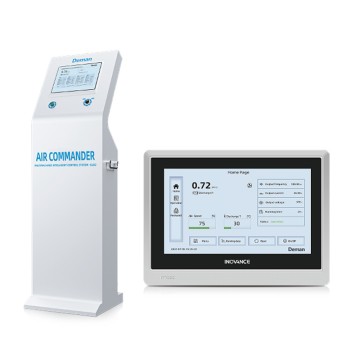
Applying "Three-dimensional Customization", meaning we tailor the station in terms of pressure, flow, and quality. By selecting the best combination of Deman compressors, dryers, heat recovery units, and the "Air Commander" system, we maximize energy savings.
To simplify site operations, our professional team designs and installs energy-saving aluminum alloy or stainless-steel green piping. Our scientific design ensures efficient air transmission with minimal pressure drop across the entire network.
Explore our full range of high-efficiency screw compressors, dryers, blowers, and vacuum systems engineered for commercial and industrial site operations.