
Leave Your Message
Discover our flagship compressed air systems engineered for high-demand construction site operations — combining energy savings, intelligent control, and industrial-grade reliability.

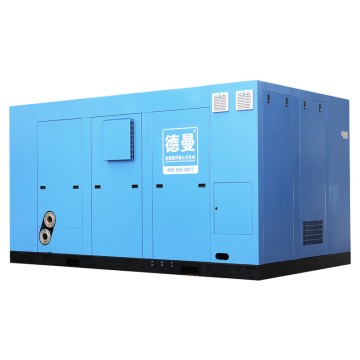
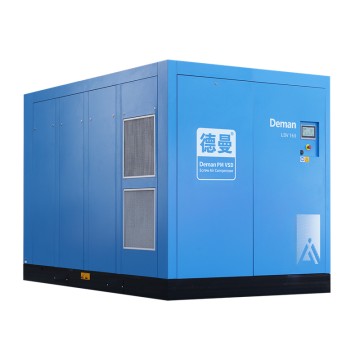
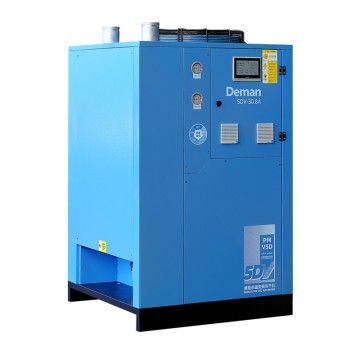
On modern construction sites, compressed air is the invisible backbone of productivity. From pneumatic jackhammers and concrete breakers to spray painting, sandblasting, and operating control systems, virtually every phase of construction depends on a stable, clean, and continuous supply of pressurized air. A single compressor failure can halt entire crews, delay project timelines, and trigger costly penalties — making reliability the non-negotiable #1 criterion when selecting an air compressor for construction site operations.
Today's construction environments are more demanding than ever. Mega infrastructure projects — highways, tunnels, high-rise buildings, bridges, and industrial parks — require compressors that can deliver consistent pressure across multiple pneumatic tools simultaneously, operate in dusty and humid outdoor conditions, withstand extreme temperature swings, and do so with minimal maintenance downtime.
Beyond raw power, the construction industry is increasingly scrutinizing energy costs. Air compressors can account for up to 30% of a construction site's total energy consumption. Choosing a variable speed drive (VSD) or permanent magnet VSD (PM VSD) compressor over a fixed-speed unit can reduce energy bills by 30–50%, directly improving project profitability.
The global construction air compressor market is undergoing rapid transformation, driven by infrastructure investment, sustainability mandates, and digital integration.
The global portable and stationary air compressor market for construction is projected to exceed USD 14 billion by 2030, growing at a CAGR of over 4.5%. Asia-Pacific — led by China, India, and Southeast Asia — accounts for the largest share, fueled by massive urbanization and infrastructure development programs.
Governments worldwide are tightening energy efficiency regulations for industrial equipment. In China, the GB 19153 standard mandates minimum energy performance for compressors, accelerating the phase-out of outdated fixed-speed models. PM VSD technology has become the industry benchmark for meeting these requirements while reducing operating costs.
Unprecedented global investment in infrastructure — from the US Infrastructure Investment and Jobs Act to China's Belt and Road Initiative and the EU Green Deal — is creating sustained demand for heavy-duty, reliable air compressors capable of supporting large-scale civil engineering, tunnel boring, and high-rise construction projects.
Environmental regulations and quality standards for construction in sensitive areas (near water sources, urban centers, or clean-room adjacent projects) are driving adoption of oil-free compressor technology. Magnetic levitation centrifugal compressors represent the frontier of this trend, delivering 100% oil-free air with ultra-low noise and near-zero maintenance.
Construction site managers increasingly demand real-time visibility into compressor performance, energy consumption, and predictive maintenance alerts. IoT-enabled compressors with remote monitoring dashboards are rapidly becoming standard, reducing unplanned downtime by up to 40% and enabling proactive fleet management across multiple job sites.
LEED certification, carbon neutrality pledges, and ESG reporting requirements are pushing construction companies to source equipment with verifiable energy efficiency credentials. Air compressors with heat recovery systems — which can recapture up to 90% of compression heat for space heating or hot water — are gaining strong traction as a sustainability differentiator.
The next generation of construction air compressors is being defined by these transformative technology and market trends.
PM VSD technology is rapidly replacing conventional fixed-speed induction motor compressors across construction applications. By continuously matching motor speed to actual air demand, PM VSD compressors eliminate the energy waste of load/unload cycling, delivering 30–50% energy savings. The higher efficiency IE4/IE5 permanent magnet motors also offer superior torque at low speeds, making them ideal for the variable demand profiles typical of construction sites.
Rather than selling individual compressors, leading manufacturers now offer complete compressed air station packages — integrating compressors, air dryers, receivers, filtration, piping, and central control systems. This turnkey approach reduces installation complexity, optimizes system performance, and provides construction companies with a single point of accountability for their entire compressed air infrastructure.
Not all construction processes require high-pressure air. Pneumatic conveying of cement and fly ash, aeration systems, and certain HVAC applications on construction sites operate efficiently at 0.3–0.45 MPa. Dedicated low-pressure screw compressors for these applications offer significant efficiency advantages over throttling down a high-pressure unit, and this segment is seeing accelerating adoption.
Artificial intelligence and machine learning algorithms are being embedded into compressor control systems to analyze vibration signatures, temperature trends, pressure patterns, and oil quality data. These systems can predict bearing failures, filter blockages, and valve deterioration weeks in advance — enabling scheduled maintenance during planned downtime rather than emergency repairs during critical project phases.
Modern construction projects increasingly incorporate heat recovery systems that capture the thermal energy generated during air compression — which can represent up to 90% of input energy — and redirect it for space heating, water heating, or process heating on the job site. This dramatically improves overall energy utilization and supports green building certification requirements.
Large construction projects evolve through distinct phases with very different compressed air demands. Modular compressor systems — where capacity can be added or removed as project phases change — are gaining favor over fixed-capacity installations. Multi-unit systems with master controllers that sequence and load-balance across multiple compressors provide both flexibility and redundancy.
Understanding the specific compressed air requirements of each construction application is essential for selecting the right compressor system and avoiding costly mismatches.
Jackhammers, rock drills, and concrete breakers are the most air-intensive tools on any construction site. These tools typically require 0.6–0.7 MPa operating pressure and high flow rates. A reliable PM VSD screw compressor with sufficient capacity ensures consistent tool performance without pressure drops that reduce breaking efficiency.
Tunnel boring operations demand massive, continuous compressed air volumes for rock drilling, shotcrete spraying, ventilation systems, and pneumatic material transport. The confined, humid environment makes compressor reliability and moisture management (via refrigerated dryers) absolutely critical. Compressor redundancy is standard practice.
Sandblasting for surface preparation and spray painting for protective coatings are critical quality steps in steel structure construction, bridge building, and industrial facility construction. These applications demand oil-free, dry, clean compressed air to prevent coating contamination. Integrated filtration and refrigerated drying are essential.
Pneumatic conveying systems transport cement powder, fly ash, and dry concrete mix through pipelines from silos to mixing points. These low-pressure, high-volume applications (0.3–0.45 MPa) are ideally served by dedicated low-pressure screw compressors rather than throttled high-pressure units, delivering significant energy savings on large projects.
General construction pneumatic tools — impact wrenches, nail guns, ratchets, grinders, and staplers — are used across all construction phases. Their combined air demand is highly variable and intermittent, making PM VSD compressors with intelligent load-matching particularly efficient for this application, avoiding the energy waste of fixed-speed compressors running unloaded.
Mechanical, electrical, and plumbing (MEP) contractors on large construction sites use compressed air for pipe testing, pressure testing of HVAC systems, pneumatic actuators, and control instrumentation. These applications typically require clean, dry, instrument-quality air with stable pressure regulation — making integrated dryer and filtration systems essential.
Founded in 1998, Deman has spent over 25 years at the forefront of China's air compressor industry, pioneering energy-saving innovations that have set national standards and reshaped how construction and industrial facilities approach compressed air management.
As the primary drafter of China's industry standards for VSD Oil-injected (JB/T10972) and PM VSD Screw Air Compressors (JB/T 13345-2017), Deman's technical leadership is formally recognized at the highest levels of China's industrial standards framework.
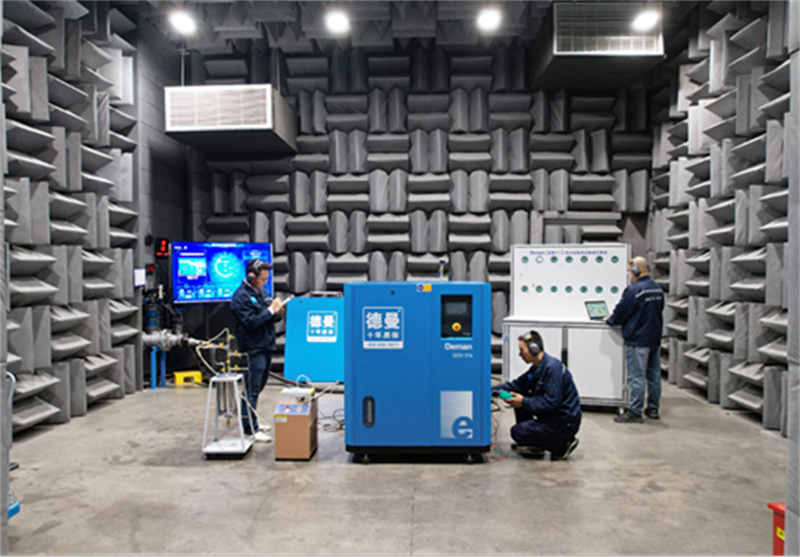
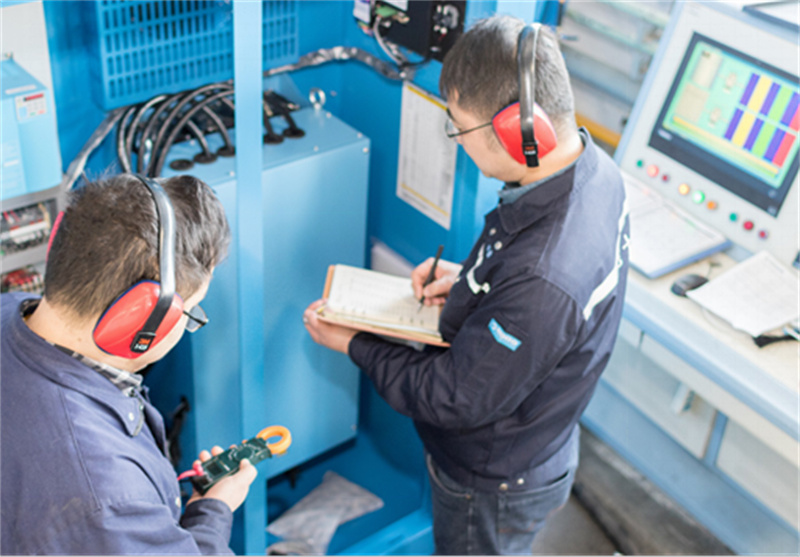
Our Ningbo manufacturing base operates under ISO9001:2015, ISO14001:2015, and ISO45001:2018 certifications, with product testing adhering strictly to ASME and ISA1932 international standards.
We follow six-end solutions to create infinite value for clients' efficient use of compressed air — from initial planning through to long-term optimization on construction sites and industrial facilities.
"No planning, no machine selling." We make sure to understand the air pressure, air flow, and air quality requirement of each air use terminal at the client's facility before selling anything. When most customers want to spend less for a better machine, we think it is necessary to invest time in planning, to avoid mismatched systems that can reduce production efficiency on construction sites.
Applying "Three-dimensional Customization" — meaning we customize the compressor station in terms of air pressure, air flow, and air quality requirements. By selecting the best combination of Deman air compressors + air dryers + heat recovery unit + "Air Commander" central control system, we ensure customers not only achieve improved production quality but also significantly reduced energy consumption.
In order to make customers' lives easier, we established a professional team for designing and installing air pipe networks using Deman energy-saving aluminum alloy or stainless-steel green air pipe. Our scientific design, green materials, and professional installation ensures efficient air transmission with minimal pressure drop across the entire construction site network.
Clean, dry compressed air is essential for construction site quality. Our integrated refrigerated dryers, filters, and separators ensure the delivered air meets the exact quality specification required — from general pneumatic tools to precision instrumentation and surface coating applications — protecting both equipment and finished work quality.
Our "Air Commander" central control platform provides real-time monitoring, automatic load balancing across multiple compressors, predictive maintenance alerts, and remote access via mobile devices. Construction site managers gain complete visibility and control over their compressed air infrastructure, enabling proactive management and minimizing costly unplanned downtime.
Our commitment extends well beyond equipment delivery. Deman's nationwide service network provides rapid response maintenance, spare parts availability, performance audits, and continuous system optimization. Regular energy audits identify further savings opportunities as construction site operations evolve through different project phases.
Founded in 1998, Deman has been at the forefront of the air compressor industry by leading the energy-saving initiatives in China. We are the primary drafter of China's industry standards for VSD Oil-injected (JB/T10972) and PM VSD Screw Air Compressors (JB/T 13345-2017).
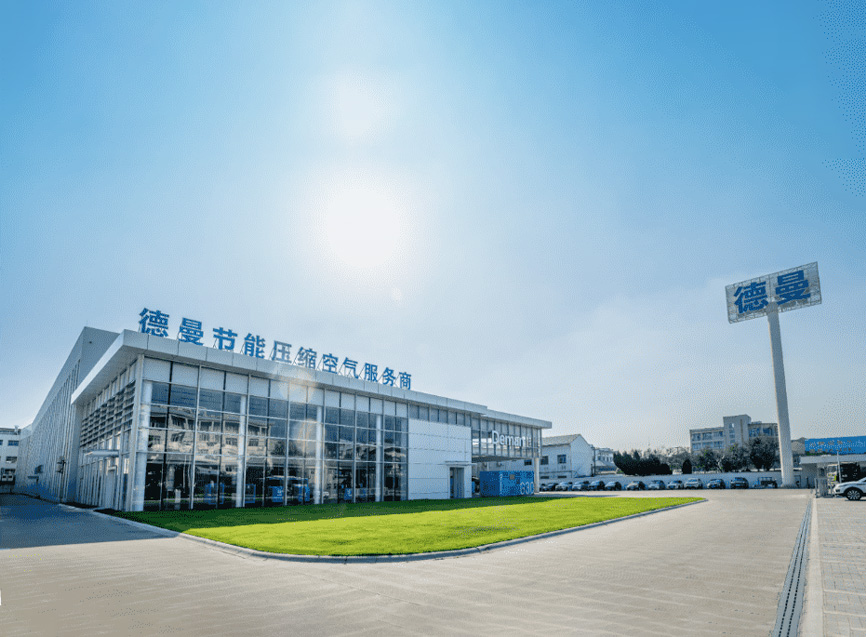
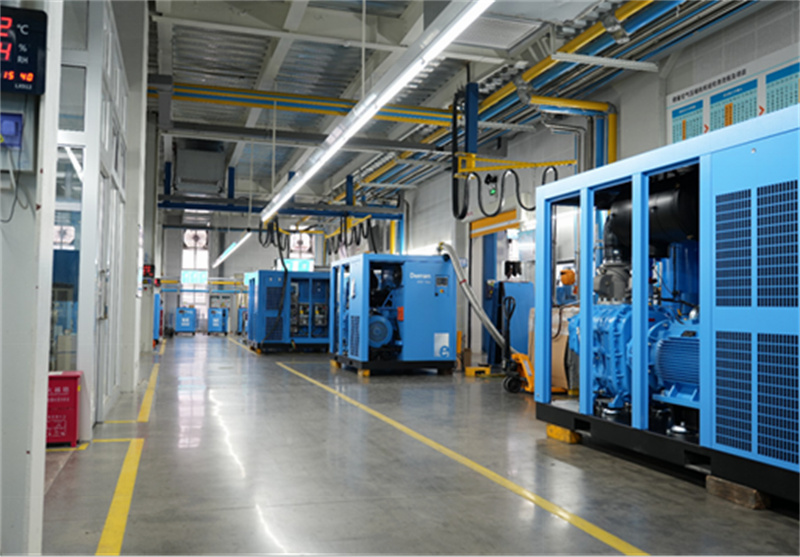
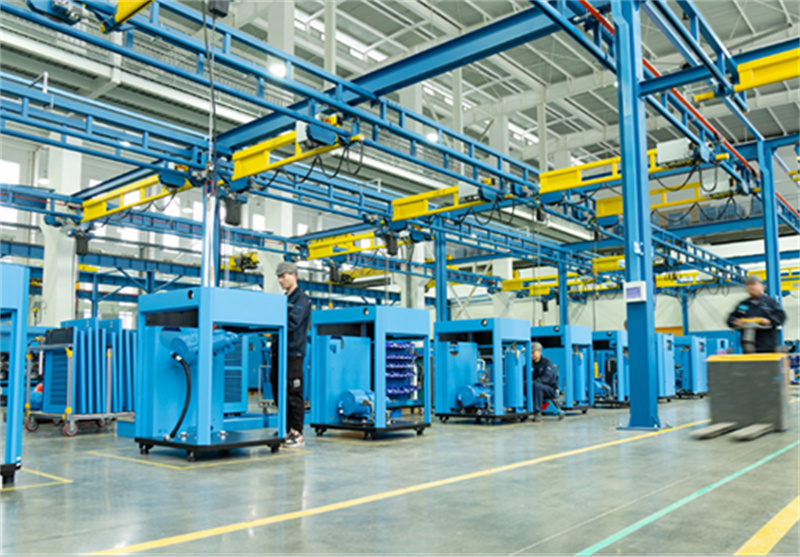
As a China National High-tech Enterprise, Deman has integrated capabilities in R&D, manufacturing, sales, and service. We have a robust R&D team of over 140 technical professionals. Our factory, based in Ningbo, China is ISO9001:2015, ISO14001:2015, and ISO45001:2018 certified. Our product testing process strictly adheres to ASME and ISA1932 standards to ensure the delivery of safe and reliable compressors for construction site operations worldwide.
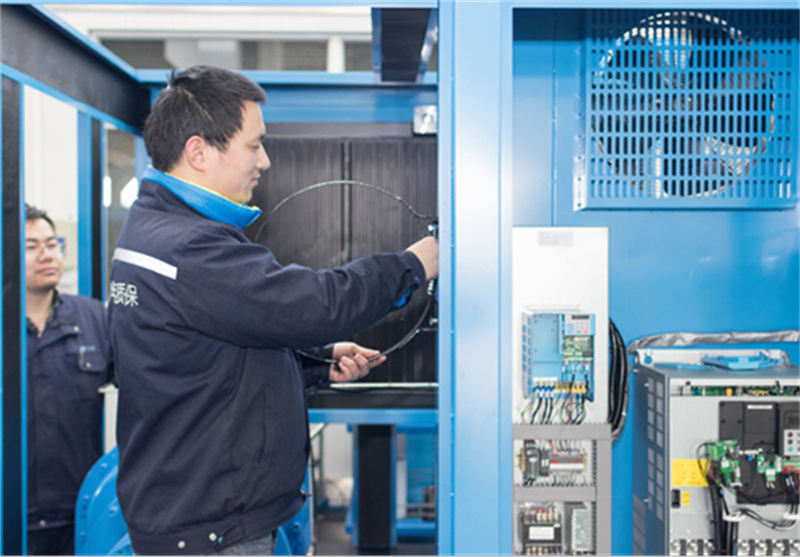
From PM VSD screw compressors and magnetic levitation centrifugal units to vacuum pumps and intelligent air dryers — Deman's full product portfolio covers every compressed air requirement on modern construction sites.
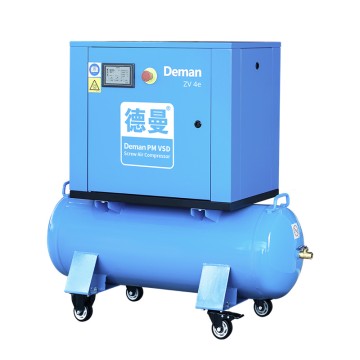
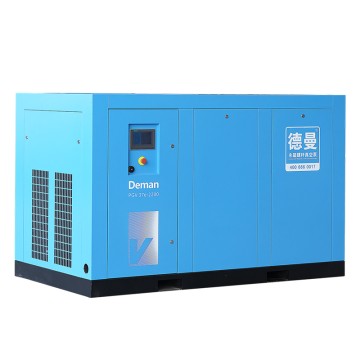
Contact Deman's compressed air specialists today for a free system consultation, energy audit, and customized compressor station design tailored to your construction site's specific requirements.
Get a Free Consultation