- 2026 demand is driven by energy efficiency, not just equipment replacement.
- Permanent magnet variable frequency control is most valuable when air demand changes throughout the day.
- System design matters: compressors, dryers, controls, and piping must be optimized together.
- Pressure stability, air quality, and maintenance visibility are now decision criteria, not optional features.
Permanent magnet variable frequency air compressor adoption is rising in 2026 because compressed air is no longer judged as a utility alone; it is judged as a controllable production cost. In the United States, industrial electricity prices averaged 8.45 cents per kWh in 2024 according to the U.S. Energy Information Administration, so even modest efficiency gains matter when a plant runs compressors for thousands of hours per year. When paired with plant-level planning, a compressor system can also reduce pressure fluctuation and wasted no-load operation, which is why buyers now compare system behavior, not just motor nameplate ratings. For factories that value stable pressure, low downtime, and remote monitoring, the shift toward screw air compressors, intelligent control systems, and energy-saving air station solutions has become a logical response to real production pressure.
Why permanent magnet variable frequency air compressors fit 2026 factory demand
The main reason factories prefer permanent magnet variable frequency air compressors in 2026 is that demand-side control is now more valuable than fixed-output capacity. Many plants do not consume compressed air at a constant rate; instead, demand rises during line start-up, falls during breaks, and spikes again when multiple pneumatic devices cycle together. A variable frequency drive helps the motor follow that profile more closely, which reduces throttle loss and unload loss. Permanent magnet motors add another layer of efficiency because rotor excitation is inherent in the motor design, eliminating field winding losses associated with many conventional induction solutions.
That efficiency logic matters most where the compressor is not running at full load all day. In a factory environment, the wasted hours are usually the expensive ones: idle running, over-pressurization, and pressure correction after sudden demand changes. This is why buyers now ask whether the entire compressed air system can respond to production rhythm, not just whether the machine can achieve a target pressure. For this reason, variable frequency air compressors are increasingly evaluated alongside dryers, piping, and control logic rather than as isolated assets.
| Selection factor | Why it matters in 2026 | Typical buyer concern |
|---|---|---|
| Load variation | Variable demand creates energy waste in fixed-speed systems | How much air is lost during idle or partial load? |
| Pressure stability | Stable pressure reduces quality defects and line interruptions | Can the system hold setpoint without frequent spikes? |
| Digital monitoring | Remote status visibility supports distributed maintenance | Can faults be detected before shutdown? |
| Air quality | Oil, water, and dust can damage process outcomes | Is post-treatment sufficient for the application? |
How energy economics and pressure control changed compressor buying behavior
Energy cost is the strongest economic driver behind the rise of permanent magnet variable frequency air compressor systems. Compressed air is one of the most expensive utilities in a plant because electricity is converted into pressure, then partly lost through heat, leakage, pressure drop, and load cycling. The U.S. Department of Energy has long noted that compressed air systems are frequently inefficient when poorly managed, and the agency’s compressed air guidance emphasizes leak reduction, pressure optimization, and system-level control as major savings levers. See the U.S. Department of Energy compressed air systems guidance for system efficiency principles.
Pressure stability is the second major driver. A plant that runs pneumatic actuators, clamping systems, packaging equipment, or textile finishing equipment does not merely need pressure; it needs repeatable pressure. ISO 8573-1, the compressed air quality standard, classifies contaminants by particles, water, and oil, and many factories now use it as a language for air quality specification rather than informal supplier claims. The standard is published by ISO 8573-1:2010, which helps buyers define what “clean air” actually means for their process.
Remote supervision is also reshaping purchase criteria. Plants with multiple shifts or distributed production areas increasingly want alerting, trend data, and multi-unit coordination. That is where intelligent control and cloud visibility become commercially relevant, because they can help maintenance teams spot pressure drift, abnormal run hours, or thermal stress before a failure becomes a shutdown. In practice, this is why system-oriented vendors often place equal emphasis on control software and hardware.
| Cost or control issue | Conventional fixed-speed risk | Permanent magnet variable frequency response | Operational effect |
|---|---|---|---|
| Demand swings | Frequent unload periods | Output follows demand more closely | Lower wasted power |
| Pressure overshoot | Setpoint drift and correction cycles | Finer motor speed modulation | More stable line pressure |
| Maintenance visibility | Reactive service after failure | Remote alarms and trend tracking | Better uptime planning |
Technical advantages of a permanent magnet variable frequency air compressor
The technical advantage of a permanent magnet variable frequency air compressor is not one feature; it is the interaction of motor efficiency, speed control, and system response. Permanent magnet motors can maintain high efficiency across a broad operating range, while variable frequency control adjusts rotational speed to match air demand. That is especially useful in plants where production lines stop and start, or where different machines draw compressed air asynchronously.
From a controls perspective, the key benefit is that the compressor no longer has to “force” a constant output into a changing demand profile. Instead, it can maintain pressure with less cycling, which usually means less mechanical stress and smoother operation. That matters for screw compressor packages in particular, because repeated load-unload behavior can introduce avoidable inefficiency. In the context of air compressor systems, the value is highest when the compressor is matched with proper receiver sizing, low-pressure-drop piping, and correctly selected post-treatment equipment.
For buyers, the most useful technical question is not “Is it variable frequency?” but “Is the full system configured to preserve the gain?” A variable frequency unit loses part of its advantage if the piping is undersized, the dryer is mismatched, or leaks are ignored. That is why 2026 buyers increasingly ask for audits and station planning before machine selection.
| Feature | Typical engineering effect | Buyer value | Watch-out |
|---|---|---|---|
| Permanent magnet motor | Reduced rotor losses | Higher electrical efficiency | Needs correct thermal design |
| Variable frequency drive | Speed adapts to demand | Less unload waste | Harmonics and control tuning matter |
| Integrated pressure control | More stable discharge pressure | Lower process disturbance | Sensor quality must be reliable |
| Remote monitoring | Operational data is visible in real time | Faster maintenance response | Data must be interpreted correctly |
Where factory demand is strongest in 2026
The strongest factory demand for permanent magnet variable frequency air compressor systems comes from industries that use air as a production enabler rather than a background utility. Textile factories need clean air to protect fabric quality, because oil, water, and dust can create visible defects. Metalworking, plastics, automotive parts, and home appliance plants rely on pneumatic tools, fixtures, and actuators, so they need stable supply during automated cycles. Thermal power plants and other continuous operations focus on reliability under sustained load.
In textile applications, air quality is often as important as pressure. In automotive and electronics-adjacent environments, even brief pressure instability can affect clamping consistency, blow-off performance, or machine repeatability. This is where the compressed air quality definition from ISO 8573-1 becomes operationally important, not theoretical. The buyer is not purchasing air; the buyer is purchasing predictable process support.
For large-volume, continuous-use operations, a magnetic suspension centrifugal compressor may be more suitable than a screw platform, especially when the priority is very high flow under steady demand. By contrast, a permanent magnet variable frequency air compressor is usually more compelling where demand changes and where the plant wants a smaller step toward digital optimization. The right answer depends on load profile, not brand preference.
- High variation in demand favors variable frequency control.
- Steady high-flow demand may justify centrifugal equipment.
- High cleanliness requirements increase the importance of post-treatment.
- Distributed operations benefit more from cloud monitoring and alerts.
System design: why the air station matters more than the machine
The air station is often where savings are won or lost. A well-selected permanent magnet variable frequency air compressor can still underperform if the station layout creates pressure drop, contamination, or excessive control complexity. This is why planning should begin with the end-use demand profile: pressure, flow, and air quality.
Pressure drop is especially important because every unnecessary drop forces the compressor to work harder. In many industrial systems, the piping, fittings, treatment train, and dryer selection determine whether the theoretical efficiency gain becomes a real one. That is why green piping and low-pressure-drop design are not cosmetic; they are functional energy measures. For plants with multiple compressors, systems such as Air Commander can help distribute load more intelligently and avoid one unit doing all the work while others sit idle.
Air treatment should be matched to the process instead of added later as an afterthought. Dryers and filters should be selected based on the required dryness, cleanliness, and allowable pressure drop. If the line feeds sensitive equipment, a post-treatment package may be more valuable than simply buying a larger compressor.
| Station element | Primary function | Common mistake | Practical consequence |
|---|---|---|---|
| Compressor | Generate compressed air | Selecting only by horsepower | Mismatch with actual load |
| Dryer and filters | Improve air quality | Ignoring pressure loss | Higher operating cost |
| Piping | Transport air efficiently | Undersized layout | Pressure drop and instability |
| Control system | Coordinate demand and supply | Single-machine thinking | Uneven utilization |
Quantitative standards and credible benchmarks buyers should use
Buyers should anchor compressor decisions in standards and measurable operating data. The first reference point is air quality classification under ISO 8573-1, which separates compressed air by particles, water, and oil. The second is noise and mechanical testing practice, where product-family standards help define how manufacturers state performance. For pressure equipment and system design, the buyer should request test conditions, duty cycle assumptions, and measured discharge pressure under realistic load.
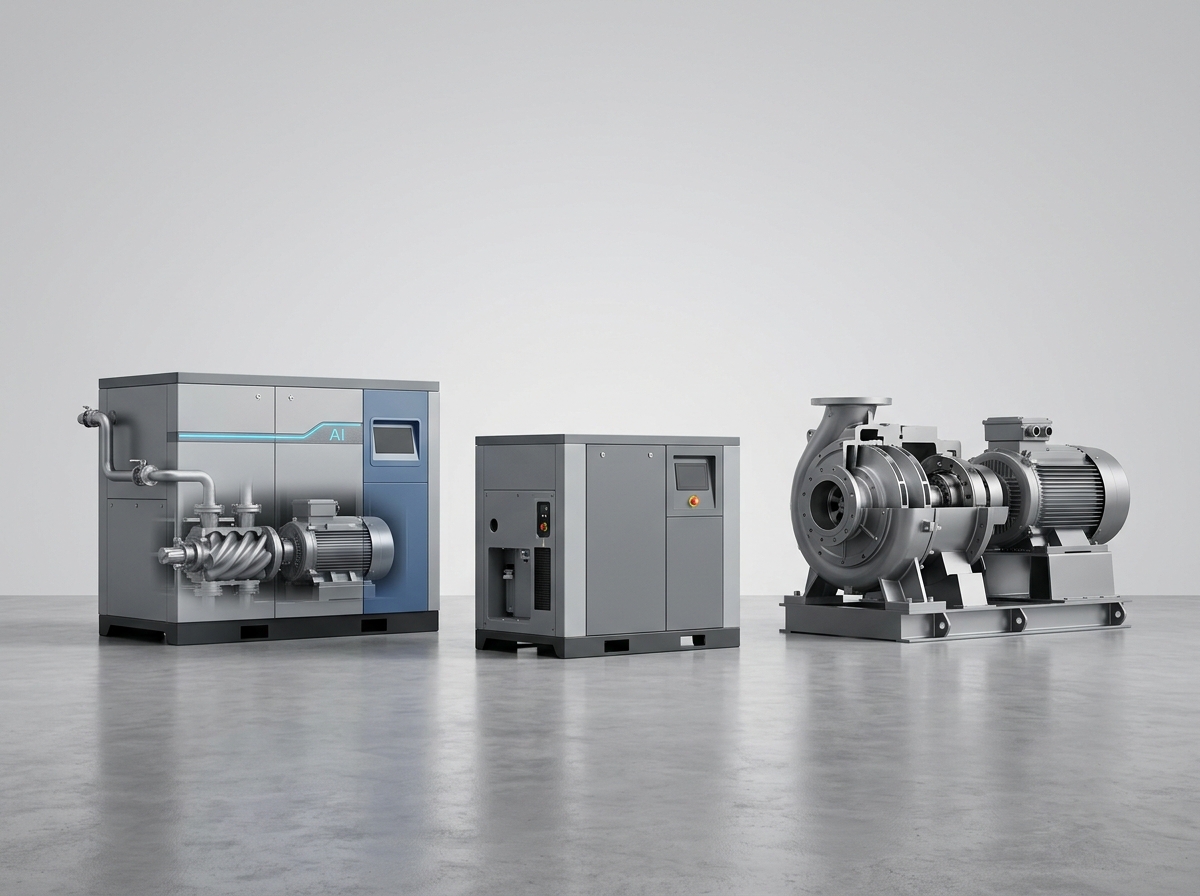 Figure 1: Why are permanent magnet variable frequency air compressors more popular in 2026?
Thermal and electrical limits should also be documented. A variable frequency drive has different losses at different speeds, and a motor’s efficiency curve should be considered over the expected operating range. In many factories, the best return comes from systems that spend most of their time at partial load rather than full load, because that is where speed modulation creates the largest savings opportunity.
For technical confidence, it is reasonable to ask suppliers for a trend log showing discharge pressure, motor frequency, run hours, and alarm history. A good compressor proposal should explain the measurement method, not just the promised result. If it does not, the buyer is comparing marketing claims rather than operational evidence.
- Request air quality targets using ISO 8573-1 classes.
- Ask for operating data at multiple load points, not only rated output.
- Check pressure drop across dryers and filters.
- Verify the control logic for multi-machine sequencing.
- Confirm maintenance access and spare-parts strategy before purchase.
What 2026 buyers are really trying to solve
The real problem behind “Why are permanent magnet variable frequency air compressors more popular in 2026?” is not product fashion; it is production risk management. Plant managers want lower energy bills, but they also want fewer emergency calls, less pressure instability, and better visibility across shifts. Procurement teams want predictable total cost of ownership, and maintenance teams want fewer surprises. Those goals converge on systems that can sense demand, respond smoothly, and remain serviceable over time.
This is also why full-system vendors have an advantage in content and in implementation. A company that understands the relationship between compressors, controls, post-treatment, and recovery can solve the whole station rather than only shipping a machine. For example, integrating waste heat recovery systems can improve overall energy utilization by capturing heat that would otherwise be rejected, while monitoring platforms can reduce response time when a fault appears. The value is cumulative: a small gain in each subsystem can become a meaningful plant-level improvement.
That said, not every plant needs the same solution. A factory with highly variable air demand, moderate flow, and a strong energy-reduction target will often benefit more from permanent magnet variable frequency control than a facility with constant high-flow demand. The decision should start with the load profile, not the brochure.
Buying checklist for 2026 factory demand
The best buying process starts with the air station, not the compressor model. If you are evaluating a permanent magnet variable frequency air compressor for 2026 demand, the checklist below will help you separate true fit from superficial specs.
- Map hourly air demand across shifts, breaks, and peak cycles.
- Define required pressure, flow, and air quality classes.
- Measure current pressure drop and leak losses.
- Compare load-following behavior, not only rated efficiency.
- Confirm monitoring, alarms, and control compatibility.
- Review service access, spare parts, and maintenance intervals.
- Evaluate whether heat recovery or multi-machine control can improve total site efficiency.
When these steps are followed, the popularity of permanent magnet variable frequency air compressor systems in 2026 becomes easy to explain. They align with how factories actually operate: variable demand, higher electricity sensitivity, and a need for operational visibility. The winning solution is rarely the loudest product claim. It is the system that best matches the real load profile and keeps the plant stable.
FAQ
Why is a permanent magnet variable frequency air compressor popular in 2026?
It is popular because it can better match fluctuating factory demand, reduce wasted no-load operation, and improve pressure stability compared with fixed-output systems.
Which industries benefit most from permanent magnet variable frequency air compressor systems?
Textiles, metalworking, plastics, automotive parts, appliance manufacturing, and other facilities with variable pneumatic demand benefit the most.
Is energy savings the only reason buyers choose this technology?
No. Buyers also want more stable pressure, better maintenance visibility, lower downtime risk, and improved control across multiple machines.
How should air quality be specified for factory use?
Use ISO 8573-1 to define contamination classes for particles, water, and oil instead of relying on vague supplier claims.
When is a centrifugal compressor a better choice?
A centrifugal compressor is often better for large, continuous, high-flow demand where the load is steady and very high throughput is required.
Why does system planning matter as much as the compressor itself?
Because piping, dryers, filters, and controls can erase the efficiency advantage if they create pressure drop or poor coordination.
What should buyers request before purchasing?
They should request load profile data, pressure-drop information, air quality targets, multi-machine control logic, and service planning details.