

Introduction
For manufacturers, compressed air is essential but often far more expensive than it appears, with electricity driving most of a system’s lifetime cost. That reality, combined with tighter emissions targets and closer scrutiny of plant efficiency, is pushing energy-saving air compressors from optional upgrades to standard equipment. This article explains why the shift is accelerating, what technologies and operating strategies make these systems more efficient, and how they help facilities reduce operating costs without sacrificing reliability. It also sets up the broader discussion of how market pressures, regulation, and lifecycle economics are reshaping compressor choices across modern industry.
Why Energy-Saving Air Compressors Are Becoming the Industry Standard
Industrial facilities are under intense pressure to optimize power consumption and streamline operational expenditures. Compressed air systems are routinely considered the "fourth utility" in manufacturing, accounting for approximately 10% of all industrial electricity usage globally. Because traditional pneumatic generation is inherently inefficient, upgrading to energy-saving air compressors has transitioned from a niche sustainability initiative to a strategic imperative.
The shift toward these advanced systems is driven by a combination of financial realities and stringent environmental mandates. As energy grids face capacity constraints and regulatory bodies demand greater accountability, deploying highly efficient compression technology has become the baseline standard for modern industrial design.

Rising energy costs and decarbonization pressure
Global energy markets have experienced significant volatility in recent years, prompting organizations like the World Bank to highlight the severe economic risks associated with inefficient industrial processes. Electricity consumption dominates the financial profile of pneumatic systems, typically representing 70% to 80% of a compressor's total lifecycle cost over ten years.
Furthermore, alignment with UN sustainability goals mandates aggressive decarbonization strategies across heavy manufacturing. Facilities must adhere to increasingly strict emissions targets and energy management standards, such as ISO 50001. Relying on legacy fixed-speed compressors that vent wasted energy as excess heat makes achieving these regulatory and corporate decarbonization milestones nearly impossible.
What energy-saving air compressors include
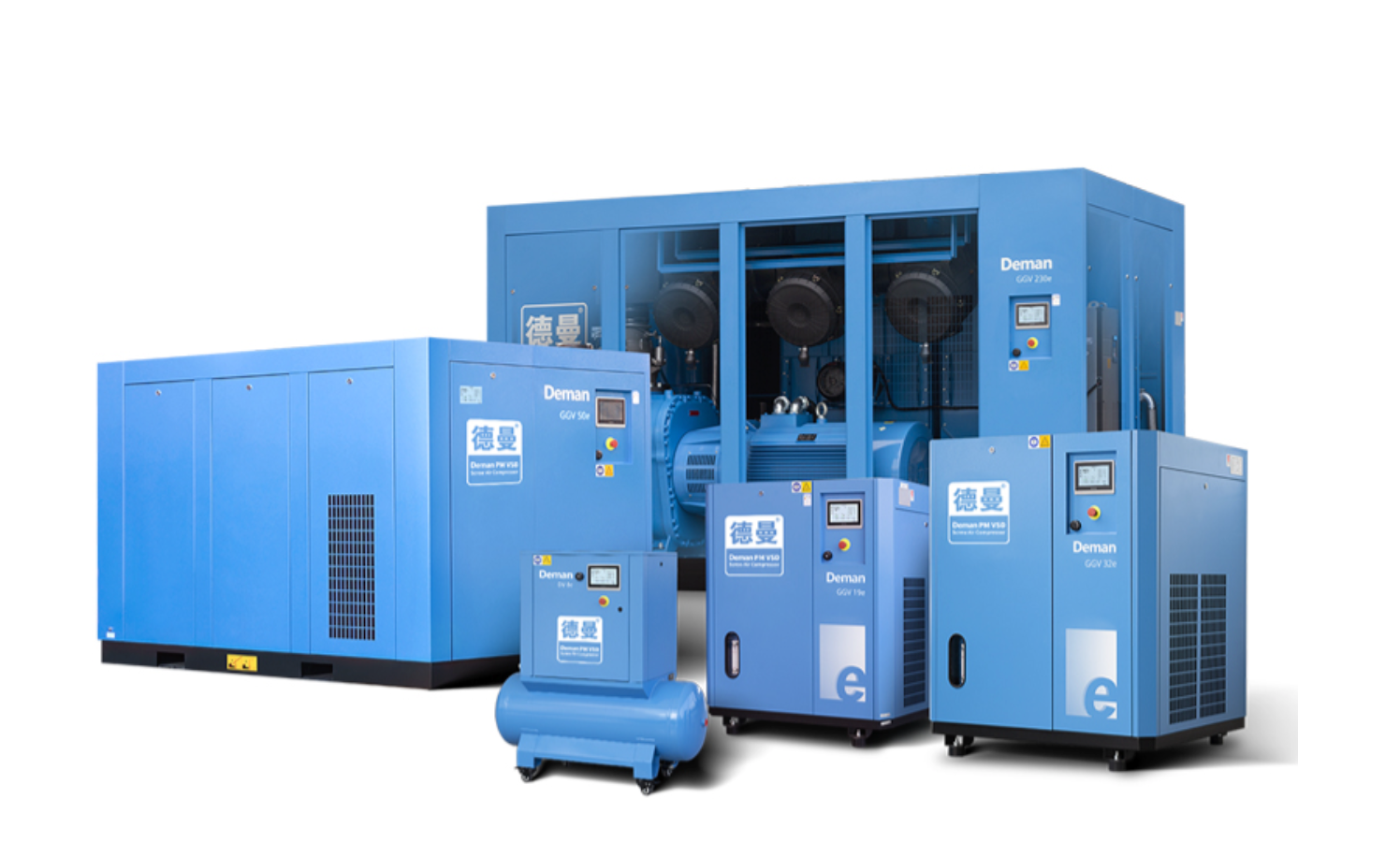
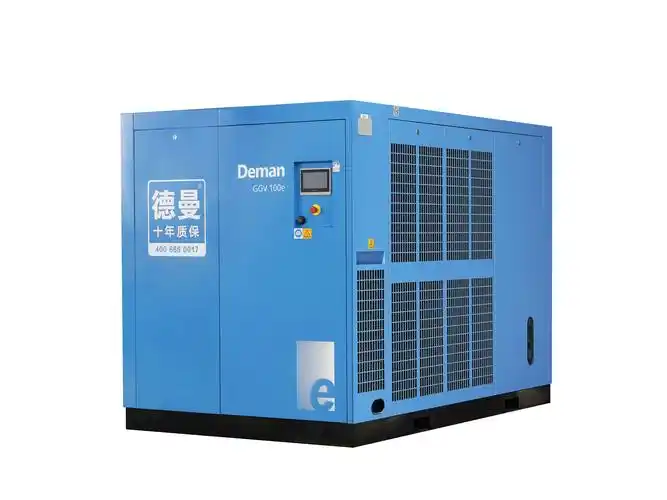
The term "energy-saving air compressor" refers to systems engineered with specialized components designed to minimize power loss. At their core, these units typically feature variable speed drives (VSD), permanent magnet (PM) motors, and intelligent, microprocessor-based multi-unit controllers.
When combined, these technologies can reduce energy consumption by 35% to 50% compared to traditional fixed-speed models. In addition to advanced motor and drive configurations, energy-saving systems frequently incorporate sophisticated heat recovery units. These auxiliary modules can capture up to 80% of the thermal energy generated during the compression process, repurposing it for facility heating or boiler feed water, thereby compounding the overall energy savings.
What Makes Energy-Saving Air Compressors More Efficient
The fundamental difference between standard compressors and energy-saving variants lies in their ability to dynamically adapt air production to match real-time facility demand. Traditional units operate on a load/unload paradigm, consuming significant power even when no compressed air is actively required. Energy-saving models eliminate this massive energy waste by scaling output directly to pneumatic consumption.
Variable speed drives, permanent magnet motors, and controls
Variable speed drives (VSD) act as the central nervous system of an energy-saving compressor. By continuously adjusting the rotational speed of the motor, the VSD ensures the machine only generates the exact volume of air required at any given moment, practically eliminating idle running costs.
When a VSD is paired with a permanent magnet (PM) motor, the efficiency gains multiply. PM motors frequently exceed ISO IE4 and IE5 super-premium efficiency standards. Unlike conventional induction motors, PM motors maintain a nearly flat efficiency curve even at low speeds and avoid the massive power spikes associated with high starting currents. Advanced programmable logic controllers oversee these components, perfectly orchestrating multiple compressors in a centralized plant to prevent overlapping inefficiencies.
Key performance metrics to compare
Evaluating the true efficiency of these systems requires looking beyond top-line horsepower ratings and focusing on Specific Energy Requirement (SER). SER is typically measured in kW/(m³/min) or kW/100 cfm. A lower SER indicates a more efficient machine that requires less electrical input to produce a standard volume of air.
Isentropic efficiency is another critical metric, reflecting how closely the compressor's performance approaches the theoretical ideal of compression without heat loss. Buyers must compare these metrics across varying load profiles, not just at 100% capacity, since most industrial systems operate at fluctuating partial loads.
| Metric | Standard Fixed Speed | Energy-Saving VSD PM |
|---|---|---|
| Motor Efficiency Standard | IE2 / IE3 (88-92%) | IE4 / IE5 (95-97%) |
| Energy Waste at Partial Load | 20% - 40% | < 5% |
| Specific Energy (kW/100 cfm) | 18.5 - 20.0 | 15.0 - 16.5 |
| Starting Current | 500% to 700% of full load | < 100% (Soft start) |
How to Compare Options by Cost and Application
Financial and operational alignment is critical when selecting an air compressor. The highest efficiency rating on paper must translate to tangible benefits in the specific application environment. Buyers must navigate the balance between upfront capital expenditure (CAPEX) and long-term operational expenditure (OPEX) to maximize their investment.
Comparing compressor types and lifecycle cost
Lifecycle cost analysis consistently reveals that the initial purchase price constitutes only 10% to 20% of the total expense over a standard 10-year lifespan. Maintenance accounts for another 10%, while the remaining 70% to 80% is entirely consumed by electricity costs.
While energy-saving VSD compressors carry a 15% to 30% CAPEX premium over standard fixed-speed models, the accelerated energy savings fundamentally alter the financial equation. In facilities operating multiple shifts, the energy cost reduction typically yields a full return on investment (ROI) within 12 to 24 months. Over a decade, the compounding OPEX savings dwarf the initial procurement premium.
Application-specific trade-offs
Different industries require distinct technological trade-offs. For instance, the food, beverage, and pharmaceutical sectors strictly demand Class 0 oil-free air per ISO 8573-1 standards. To meet this, facilities must deploy oil-free rotary screw or scroll compressors. These units carry higher initial costs and slightly lower thermodynamic efficiencies than oil-injected models, but they are mandatory to eliminate catastrophic product contamination risks.
Conversely, heavy manufacturing and metal fabrication can safely leverage highly efficient oil-injected PM VSD compressors equipped with robust downstream filtration. In these environments, maximizing flow per kilowatt takes precedence over absolute oil-free purity, allowing operators to select models with the lowest possible specific energy metrics and the fastest payback periods.
How to Select and Implement the Right System
Procuring an energy-saving compressor without optimizing the broader pneumatic network often results in stranded investments. A high-efficiency machine cannot compensate for a poorly designed distribution system. Proper sizing, auditing, and implementation are just as critical as the equipment specifications.
Auditing demand and sizing correctly
Before specifying a new machine, facilities must conduct a comprehensive air audit. This involves data logging flow rates, pressure fluctuations, and off-hour consumption over a typical production week. A primary goal is identifying system leak rates; an infrastructure suffering from a 20% to 30% leak rate will severely diminish the returns of a new high-efficiency compressor.
Sizing the equipment correctly is paramount. Oversizing a VSD compressor forces it to operate below its optimal turndown ratio, causing inefficiencies and premature wear. Sizing should aim to keep the compressor operating within its ideal 40% to 80% capacity range, maintaining a tight pressure band of 0.1 to 0.2 bar differential across the plant.
Procurement and rollout steps
The procurement process should strictly require vendors to provide guaranteed specific energy data at 40%, 60%, and 80% load profiles, ensuring the machine matches the facility's actual demand curve. Proposals should be evaluated based on verifiable performance rather than theoretical maximums.
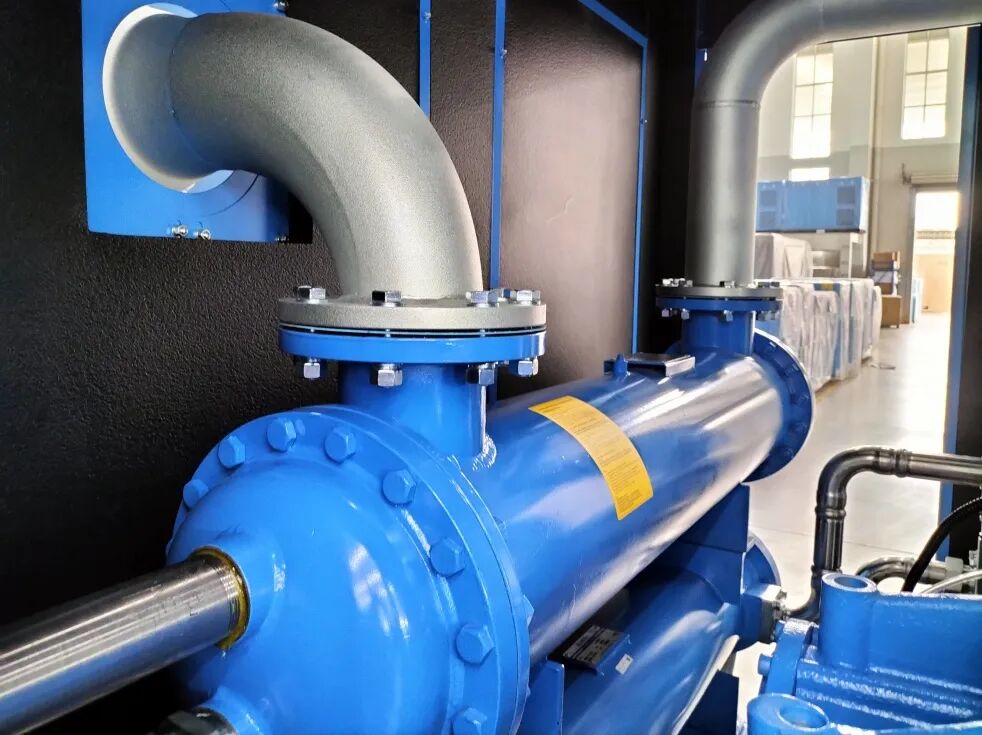
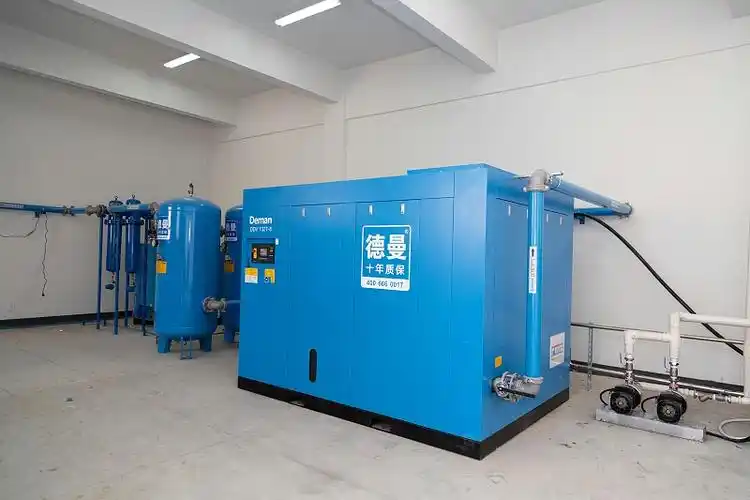
Rollout steps must encompass proper installation logistics, including adequate ventilation to prevent ambient temperature spikes that degrade airend efficiency. Additionally, implementing heat recovery ducting during the rollout phase is highly recommended. By integrating heat exchangers, facilities can capture up to 80% of the compressor's electrical input energy as usable hot water for boiler pre-heating, sanitation, or ambient space heating, radically improving overall site efficiency.
How to Make the Final Decision
The final procurement choice relies on synthesizing technical performance data, long-term financial projections, and operational security requirements. Decision-makers must look past the immediate sticker price and evaluate the system as a decade-long utility investment.
Balancing payback, total cost of ownership, and reliability
Balancing immediate payback periods with Total Cost of Ownership (TCO) and equipment reliability is the ultimate key to a successful purchase. An energy-saving compressor with a $50,000 upfront cost that generates $20,000 annually in electricity savings will vastly outperform a $35,000 standard unit with minimal savings over a five-year horizon.
Buyers must also heavily weigh warranty structures—such as 5- to 10-year guarantees on the airend and PM motor—and the local availability of certified technicians. Unplanned downtime can quickly erase months of energy savings, making robust aftermarket support, predictive maintenance sensors, and service level agreements non-negotiable factors.
| Cost Component (5-Year Projection) | 75kW Fixed Speed Compressor | 75kW VSD PM Compressor |
|---|---|---|
| Capital Equipment (CAPEX) | $35,000 | $50,000 |
| Installation & Commissioning | $5,000 | $6,000 |
| Maintenance (OPEX) | $15,000 | $18,000 |
| Energy Costs ($0.12/kWh, 6000 hrs/yr) | $270,000 | $189,000 |
| Total Cost of Ownership (TCO) | $325,000 | $263,000 |
By utilizing TCO models and demanding rigorous, standard-compliant performance metrics, industrial buyers can confidently transition to energy-saving air compressors, securing both their operational resilience and their bottom line.
Key Takeaways
- The most important conclusions and rationale for Energy-Saving Air Compressors
- Specs, compliance, and risk checks worth validating before you commit
- Practical next steps and caveats readers can apply immediately
Frequently Asked Questions
How much energy can an energy-saving air compressor reduce?
In many plants, VSD and PM motor systems cut compressor energy use by about 35% to 50% versus fixed-speed models, especially under variable demand.
What features should I look for in an energy-saving air compressor?
Prioritize a VSD, PM motor, intelligent multi-unit control, and heat recovery. On demanac.com, these are covered in rotary screw compressors and intelligent systems solutions.
How do I compare compressor efficiency accurately?
Check Specific Energy Requirement (SER) at full and partial load, not just horsepower. Lower kW/100 cfm or kW/(m³/min) means better efficiency in real operation.
Can heat recovery really improve compressor ROI?
Yes. A heat recovery unit can reclaim up to 80% of compression heat for space heating or boiler feed water, reducing total facility energy costs.
When does a VSD compressor make the most sense?
A VSD compressor is best when air demand changes throughout the day. It matches output to consumption and avoids the waste common with load/unload fixed-speed machines.