


About Rotary Screw Compressor
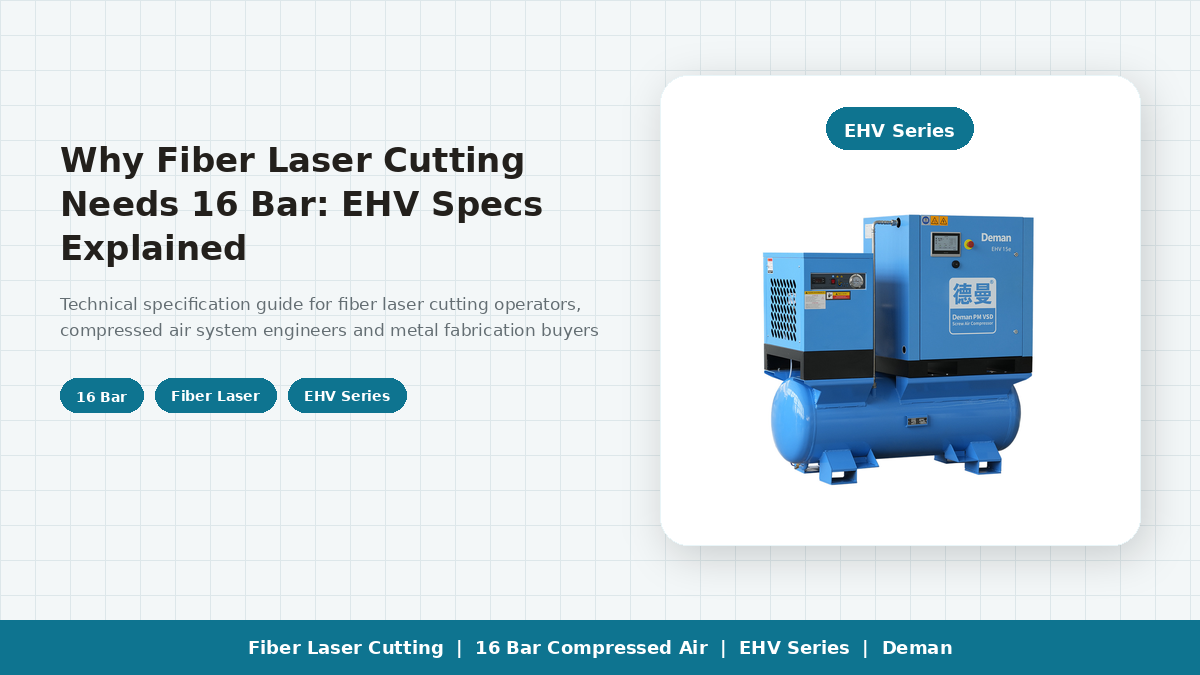
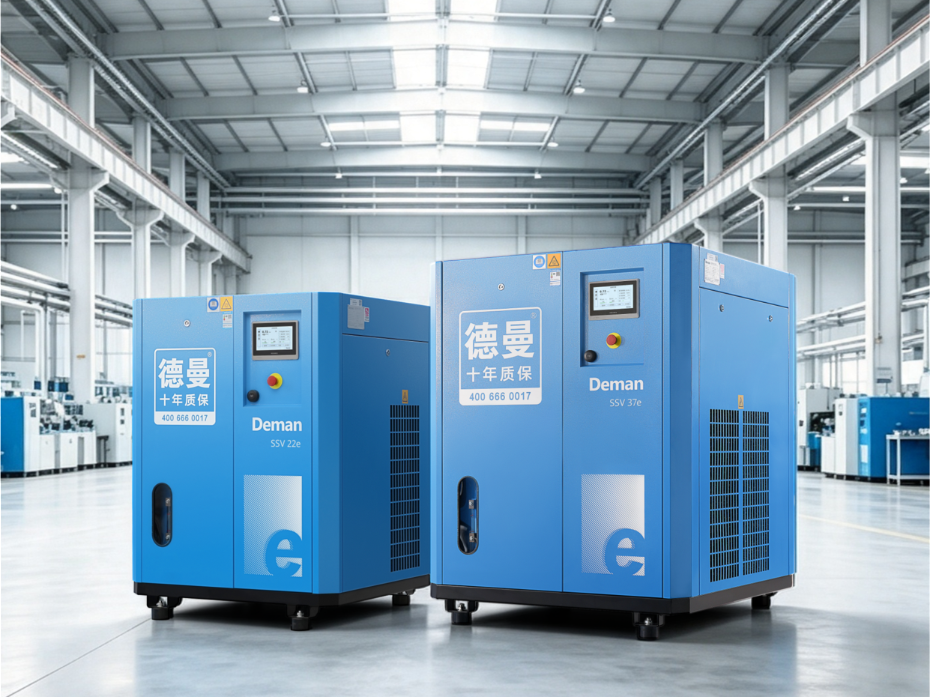
Rotary screw compressors are widely favored industrial air compression equipment. Compared with piston compressors, they deliver stable and large-volume compressed air while running with far less vibration and noise. Instead of intermittent air compression, twin spiral rotors work together to generate steady airflow, perfectly fitting high-intensity industrial production scenarios.
This introduction walks you through the basic definition, working principle and core strengths of rotary screw compressors. You will also learn its practical application value in manufacturing, packaging and automated production before diving into professional technical details.
- Why Rotary Screw Compressors Are Indispensable for Modern Industry
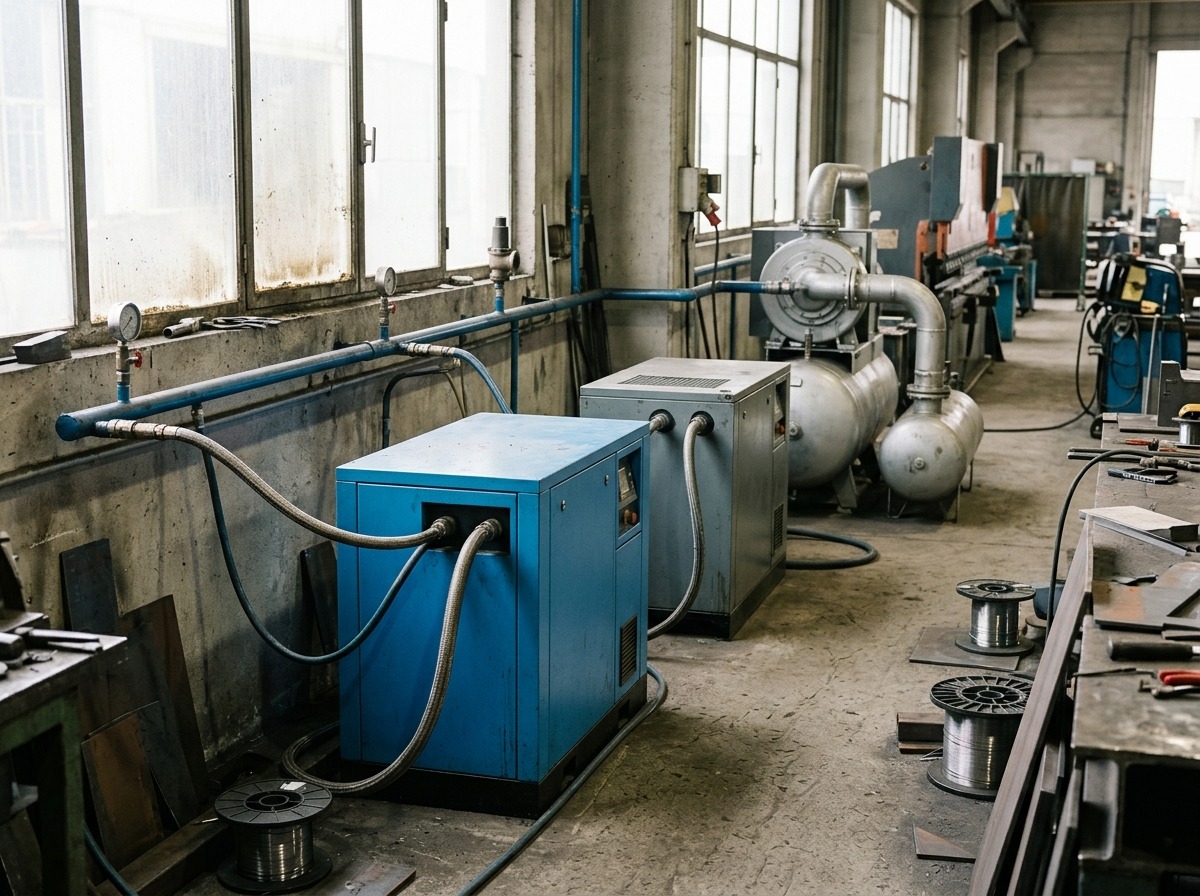
Compressed air is regarded as the fourth essential energy source in industrial production. It powers pneumatic tools, assembly lines, packaging devices and material handling systems. Stable and uninterrupted air supply relies on durable compressors that can cope with harsh working conditions, cut downtime and lower maintenance expenses.
As production scale expands, ordinary compression equipment can no longer meet operational needs, making high-performance continuous-operation screw compressors the mainstream choice.
- Basic Introduction to Rotary Screw Compressors
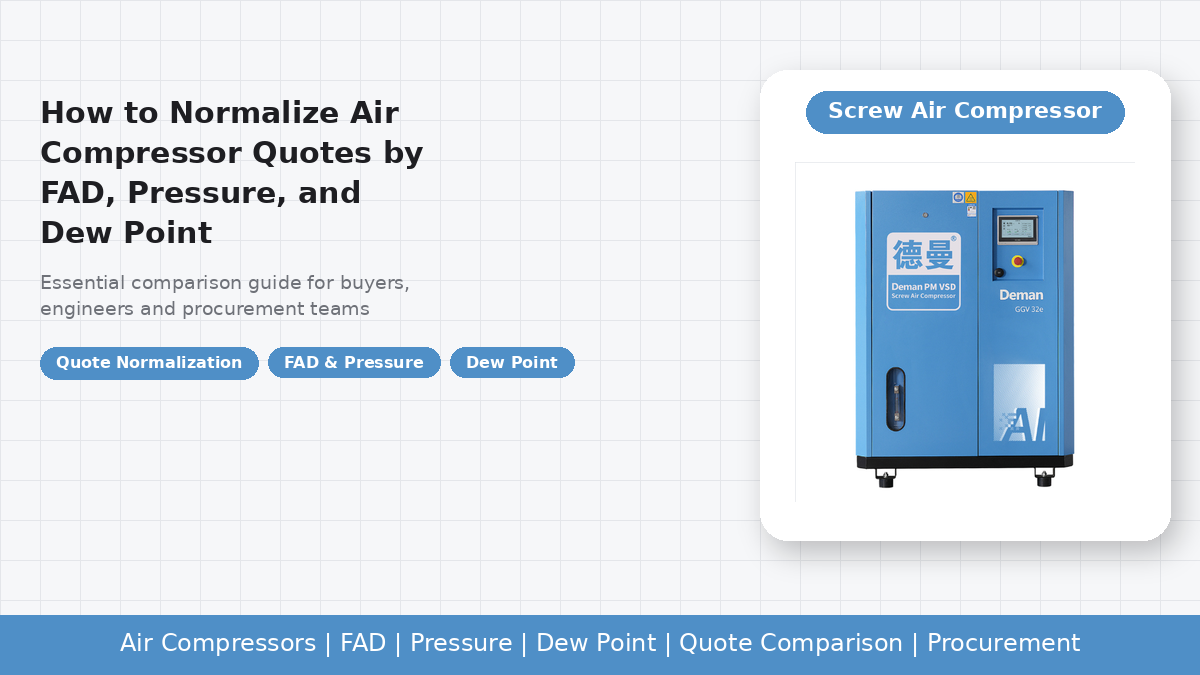
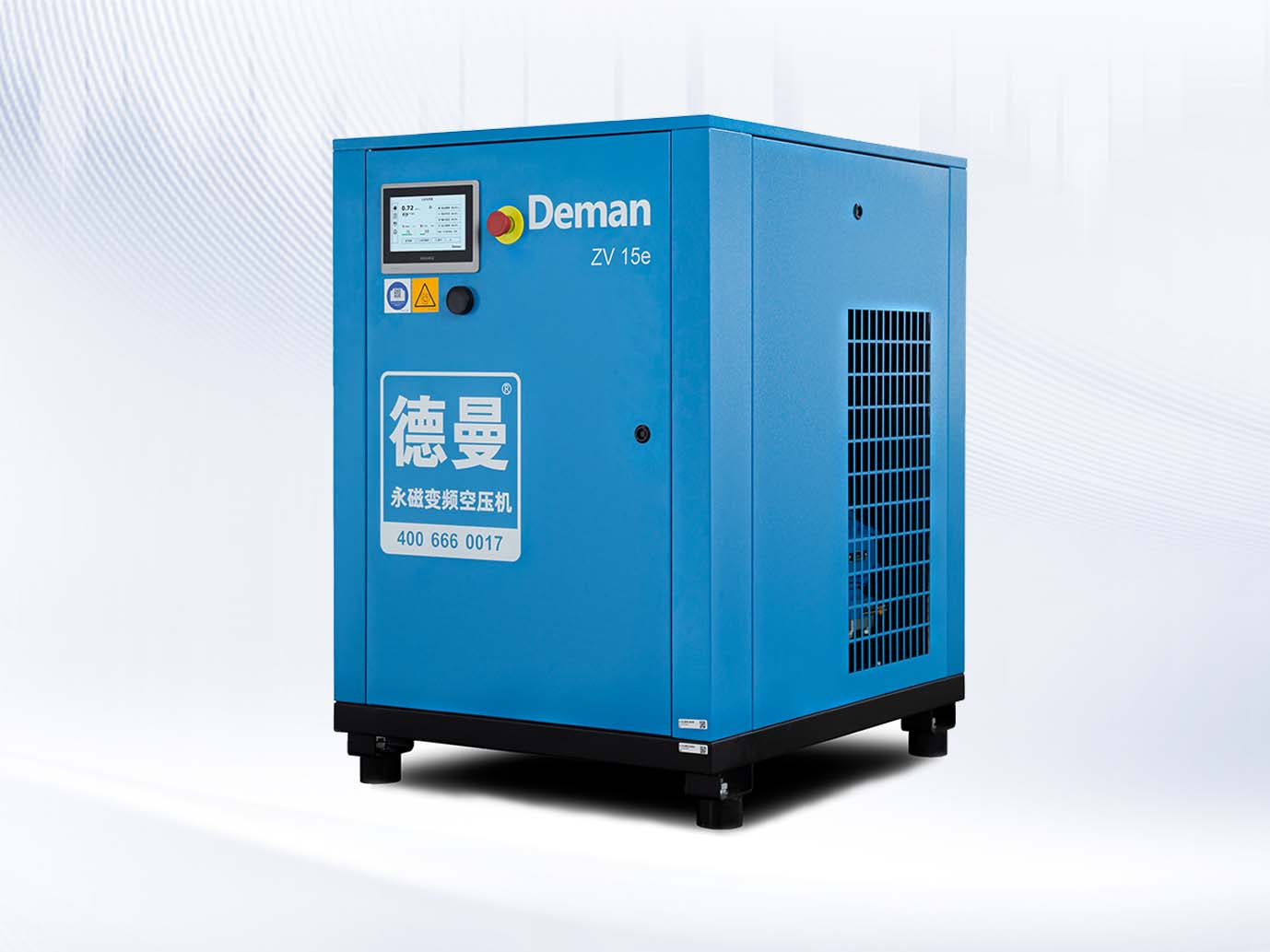
Rotary screw compressor belongs to high-efficiency positive displacement compressor. It sucks in and compresses air via two meshing spiral rotors. Different from pulsating, noisy piston compressors, this equipment outputs smooth continuous compressed air with slight vibration. Its power ranges from 5 horsepower to over 500 horsepower, covering diverse industrial usage demands.
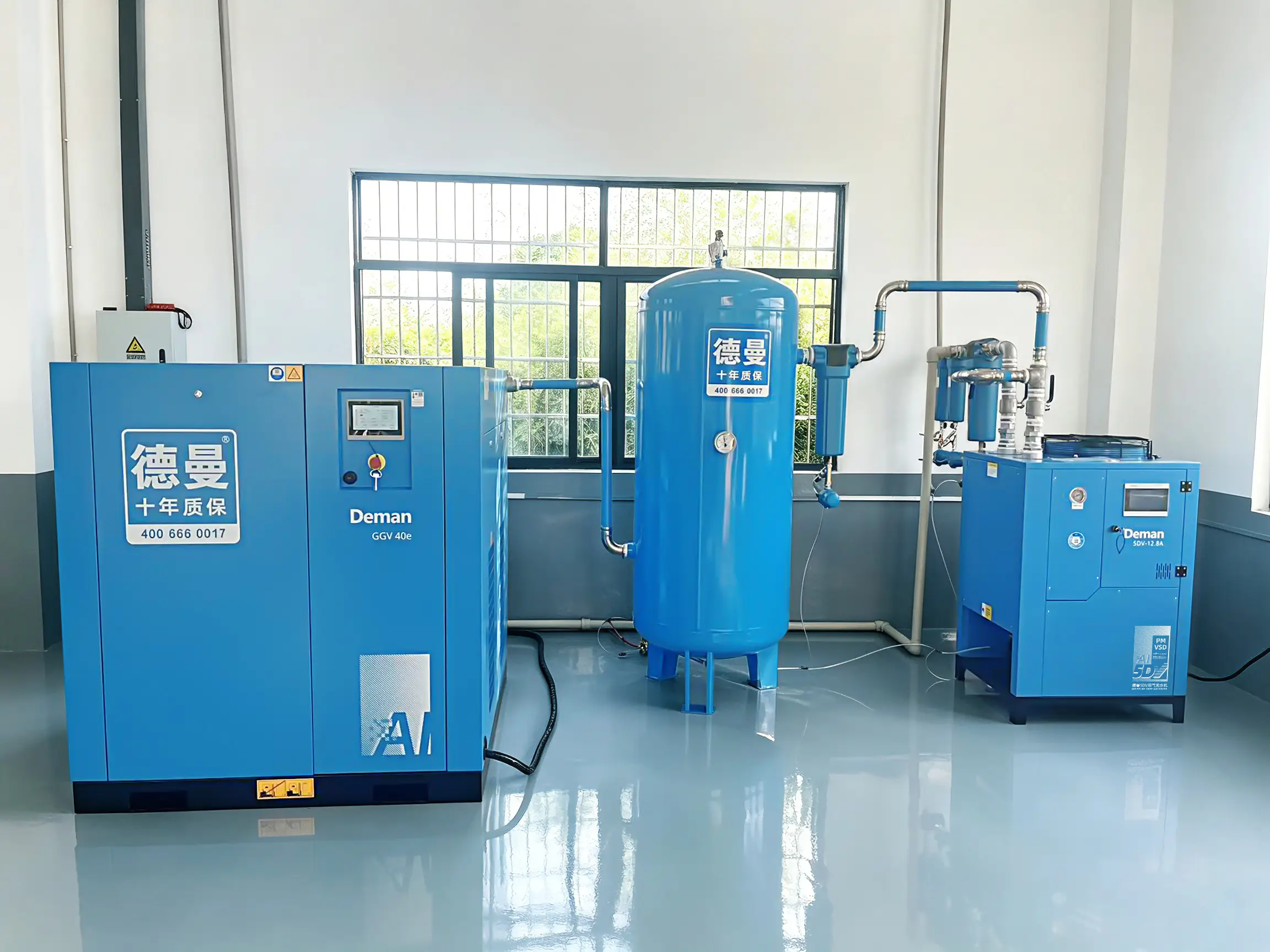
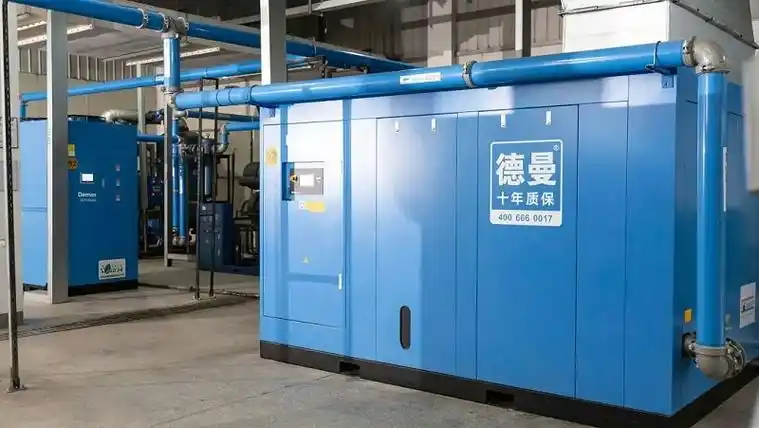
Equipped with professional noise reduction shells, modern screw compressors run quietly. Most industrial models keep noise below 75 decibels, so they can be placed directly on production sites instead of separate compressor rooms.
- Core Advantages That Attract Manufacturers
Manufacturers prefer screw compressors mainly for outstanding stability and long-duration heavy-load performance. The equipment supports 100% continuous operation, running 24/7 nonstop without heat pause, ideal for round-the-clock shift production.
With regular maintenance, high-quality compressor host can stably operate 60,000 to 80,000 hours before major overhaul. Daily maintenance only includes oil replacement, filter renewal and separator inspection, simple and convenient. Long service life effectively reduces overall use cost and avoids frequent production halt.
- Working Principle of Rotary Screw Compressors
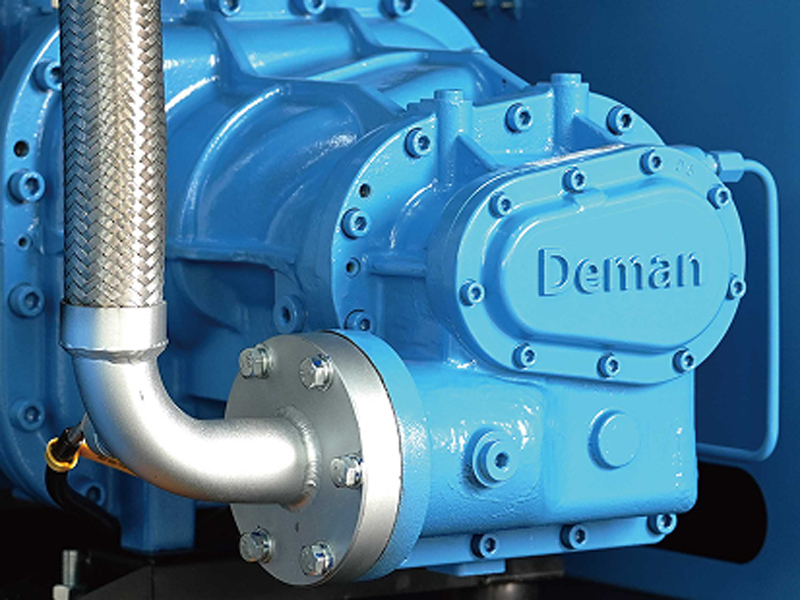
Fine internal structure, premium materials and efficient heat dissipation ensure long-term stable and efficient operation
The compressor host is the core part, consisting of precisely processed male and female rotors. The male rotor has four spiral lobes while the female rotor matches six grooves. When the rotors rotate and engage, internal space shrinks gradually, squeezing air and boosting pressure.
Oil-injected compressors spray special lubricant into the compression cavity. Lubricant seals gaps to prevent air leakage, absorbs compression heat and lubricates moving parts. Mixed air and oil flow into the separation tank afterwards, and over 99.9% lubricant can be separated through centrifugal force and filter elements.
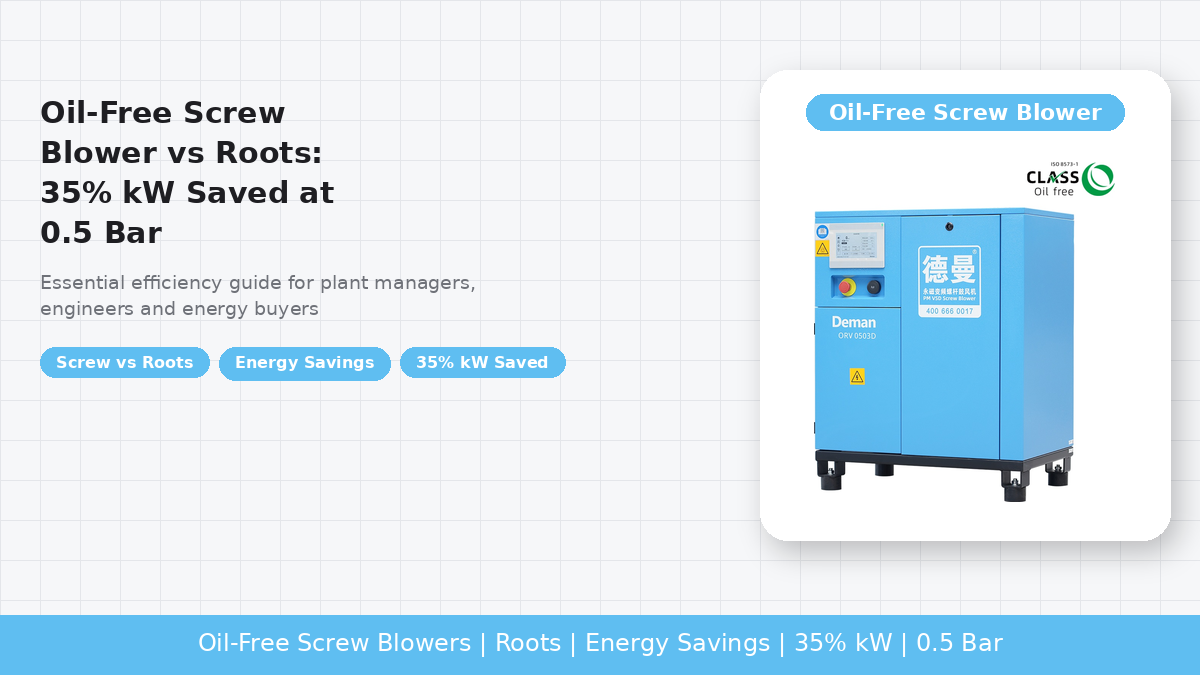
Oil-free compressors adopt special coating and precise gear structure to avoid direct friction between rotors. The discharged compressed air contains no oil impurities, suitable for strict scenarios like medical treatment and food processing.
- Efficiency-related Performance Parameters
Air flow (CFM) and working pressure (PSI) directly decide compressor performance. Matching parameters with factory actual air consumption is key to building efficient pneumatic systems.
|
Compressor Grade |
Power(HP) |
Air Flow(CFM) |
Working Pressure(PSI) |
|
Light Industrial |
10 - 30 |
40 - 130 |
100 - 150 |
|
Medium Industrial |
40 - 100 |
180 - 450 |
100 - 175 |
|
Heavy Industrial |
125 - 300+ |
600 - 1500+ |
100 - 200 |
Driving mode also matters. Variable Speed Drive (VSD) adjusts motor speed automatically following real-time air demand. It eliminates unnecessary energy loss, saving up to 35% power consumption compared with fixed-speed compressors.
- Selection & Comparison Guide for Rotary Screw Compressors
Choosing proper industrial compressors needs comprehensive consideration of on-site demand, operating cost and long-term production plan. Select matched equipment based on actual production working conditions.
- Comparison with Other Types of Compressors
Common alternatives are piston compressors and centrifugal compressors. Piston compressors cost less initially yet easily generate excessive heat, with operation rate lower than 60%, only fit intermittent use in small factories and repair shops.
Centrifugal compressors suit super large air consumption and work stably only under power above 1000 horsepower.
Rotary screw compressors fill the gap between the two types. With power ranging from 20 to 500 horsepower, it is the optimal choice for scenes needing stable continuous air supply.
- Practical Selection Tips
Carry out professional air consumption detection first, and pick compressors matching current and future production air demand.
- Core merits and applicable scenarios of rotary screw compressors
- Key parameters and standard checks before purchase
- Practical suggestions and notes for use