










What Are the Key Differences Between Oil-Injected and Oil-Free Screw Compressors?
Oil-injected and oil-free screw compressors differ primarily in lubrication method, compressed air purity, maintenance requirements, and operating cost. Oil-injected screw compressors use lubricating oil inside the compression chamber to cool, seal, and lubricate the rotors, while oil-free screw compressors compress air without introducing oil into the compression chamber. Choosing between the two depends on air quality requirements, energy efficiency goals, and total lifecycle costs.
Industrial facilities rely on screw compressors because they provide continuous compressed air with high efficiency and reliability. However, selecting the wrong compressor technology can increase operating expenses and create product quality risks. Understanding the differences between oil-injected and oil-free screw compressors helps engineers, plant managers, and procurement teams make informed decisions.
Understanding How Screw Compressors Work
Screw compressors generate compressed air by trapping air between two intermeshing rotors and reducing the available volume during rotation.
Unlike reciprocating compressors, rotary screw compressors deliver a continuous airflow. The male and female rotors rotate at high speed, compressing air smoothly with minimal pulsation.
Modern industrial systems often combine compressors with supporting equipment such as Rotary Screw Compressors, After-treatment Systems, and intelligent controls to improve overall compressed air performance.The key distinction between oil-injected and oil-free compressor technology lies in how the compression chamber handles lubrication, sealing, and cooling.
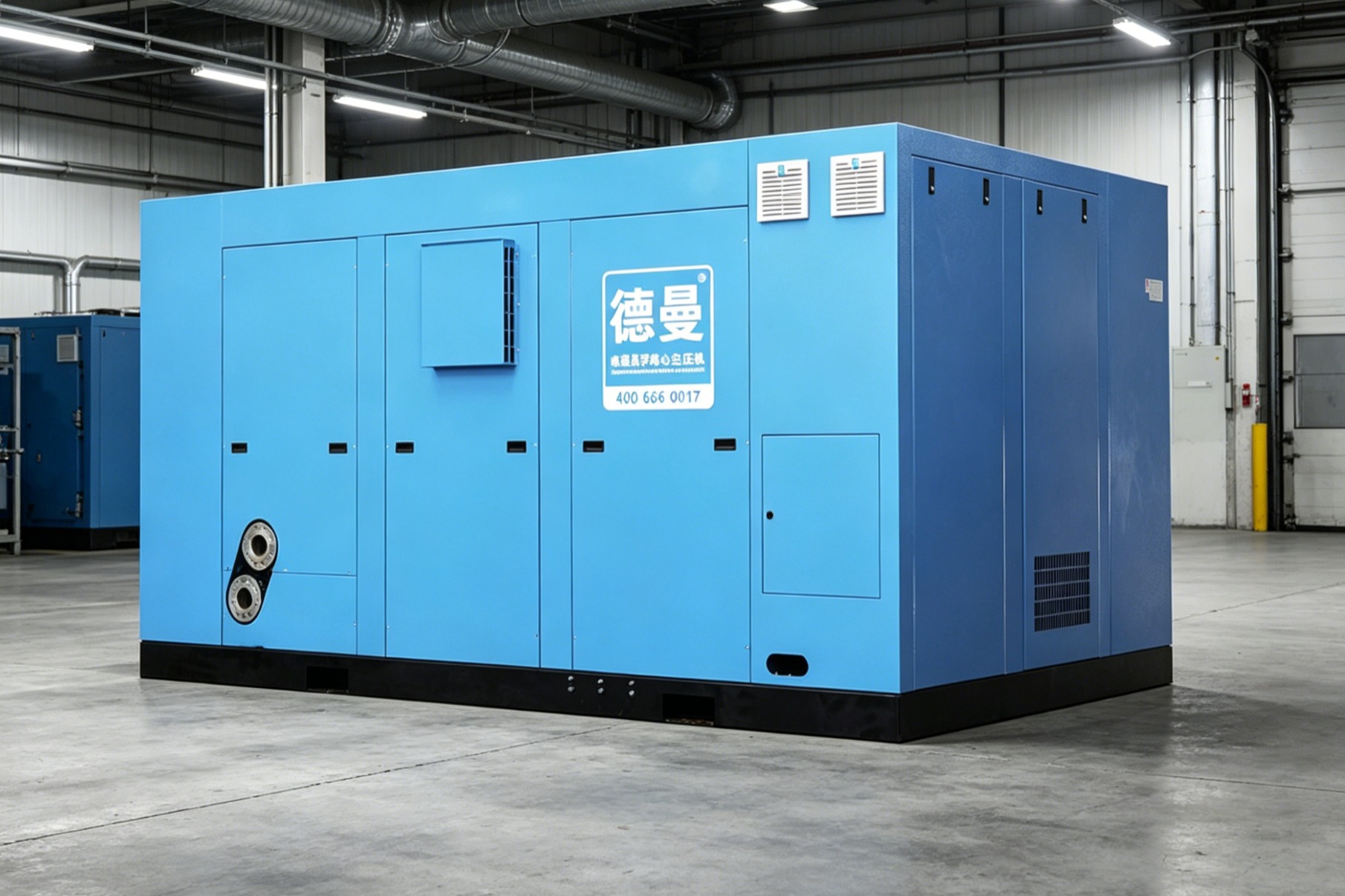
What Is an Oil-Injected Screw Compressor?
An oil-injected screw compressor introduces oil directly into the compression chamber to lubricate rotors, remove heat, and improve sealing efficiency.
The injected oil performs three critical functions:
- Rotor lubrication
- Heat dissipation
- Internal sealing
Because oil absorbs compression heat efficiently, oil-injected compressors typically operate at lower internal temperatures.
Advantages of Oil-Injected Screw Compressors
- Lower initial purchase cost
- High energy efficiency in many operating conditions
- Longer rotor life
- Simpler compression design
- Suitable for demanding industrial environments
Typical Applications
Oil-injected screw compressors are commonly used in:
- Automotive manufacturing
- Metal fabrication
- Textile production
- Plastic processing
- General industrial manufacturing
Many facilities pair oil-injected compressors with After-treatment equipment such as dryers and filters to remove residual oil aerosols from compressed air.
What Is an Oil-Free Screw Compressor?
An oil-free screw compressor compresses air without allowing oil into the compression chamber, producing high-purity compressed air.
Instead of oil lubrication between rotors, oil-free designs use precision timing gears and specialized coatings to prevent rotor contact.
Oil-free compressors are designed to meet strict air quality requirements where even trace oil contamination could damage products or processes.
Advantages of Oil-Free Screw Compressors
- Oil-free compressed air supply
- Reduced contamination risk
- Compliance with stringent regulations
- Suitable for critical production environments
- Supports ISO 8573-1 Class 0 air quality objectives
Typical Applications
Oil-free compressors are widely used in:
- Food and beverage processing
- Pharmaceutical manufacturing
- Electronics production
- Medical facilities
- Semiconductor fabrication
Industrial facilities may also integrate Oil-free Blowers for applications requiring contamination-free air movement.
Oil-Injected vs Oil-Free Screw Compressors: Side-by-Side Comparison
The most important differences involve air purity, cost, maintenance, and application suitability.
| Feature | Oil-Injected Screw Compressor | Oil-Free Screw Compressor |
|---|---|---|
| Compression Chamber | Contains oil | No oil present |
| Air Purity | Requires filtration | Naturally oil-free |
| Initial Cost | Lower | Higher |
| Maintenance Cost | Moderate | Moderate to High |
| Cooling Efficiency | Excellent | Lower than oil-injected |
| Energy Efficiency | Generally high | Depends on design |
| Food & Pharma Suitability | Limited | Excellent |
| Contamination Risk | Low but present | Extremely low |
Featured Snippet Answer
Oil-injected screw compressors are more economical and efficient for general industrial use, while oil-free screw compressors are preferred when compressed air purity is critical.
Air Quality Standards and Industry Requirements
Compressed air quality standards often determine whether oil-injected or oil-free technology is appropriate.
The internationally recognized ISO 8573-1 standard classifies compressed air contamination levels, including oil content.
Organizations such as the International Organization for Standardization (ISO) provide guidance on compressed air purity classifications used throughout manufacturing industries.
According to industry best practices, food, pharmaceutical, and electronics manufacturers often require the highest air purity levels to reduce contamination risks.
Useful references:
Industries Requiring Oil-Free Air
| Industry | Typical Requirement |
|---|---|
| Food Processing | High purity air |
| Pharmaceuticals | Contamination prevention |
| Electronics | Particle control |
| Healthcare | Sterile environments |
| Semiconductor Manufacturing | Ultra-clean air |
Energy Efficiency Differences Between Oil-Injected and Oil-Free Compressors
Energy consumption represents the largest lifecycle cost for most compressed air systems.
Industry estimates suggest that electricity can account for up to 70–80% of a compressor's total ownership cost over its service life.
Oil-injected compressors often achieve excellent efficiency because oil improves internal sealing and cooling. However, advances in oil-free compressor design have significantly narrowed the efficiency gap.
Facilities seeking additional energy savings may implement Intelligent Heat Recovery Systems to capture waste heat generated during compression. DEMAN states that heat recovery systems can reclaim a significant portion of compressor energy for process heating applications.
Maintenance Requirements and Reliability Comparison
Maintenance requirements vary significantly between oil-injected and oil-free screw compressors.
Oil-injected systems require:
- Oil changes
- Oil filter replacement
- Separator replacement
- Lubricant monitoring
Oil-free systems eliminate oil management inside the compression chamber but often require:
- Rotor coating inspections
- Timing gear maintenance
- Precision component monitoring
Maintenance Comparison
| Maintenance Item | Oil-Injected | Oil-Free |
|---|---|---|
| Oil Replacement | Required | Not Required |
| Oil Filter Changes | Required | Not Required |
| Air Filter Changes | Required | Required |
| Rotor Inspection | Periodic | More Critical |
| Contamination Monitoring | Moderate | High Priority |
The best choice depends on facility priorities, maintenance capabilities, and required air quality levels.
Which Industries Should Choose Oil-Injected Screw Compressors?
Oil-injected screw compressors are typically the best choice when air purity requirements are moderate and operating efficiency is a priority.
Recommended industries include:
- Automotive parts manufacturing
- Metal fabrication
- General assembly operations
- Textile manufacturing
- Plastic molding
Facilities seeking efficient compressed air generation often utilize modern PM VSD Rotary Screw Compressors combined with intelligent monitoring systems.
Which Industries Should Choose Oil-Free Screw Compressors?
Oil-free screw compressors are recommended whenever product quality could be affected by trace oil contamination.
Common examples include:
- Food packaging
- Beverage production
- Pharmaceutical manufacturing
- Electronics assembly
- Medical gas systems
Many facilities combine oil-free compression technology with advanced Intelligent Systems and air treatment solutions to maintain consistent air quality across production lines.
How to Choose the Right Screw Compressor
The correct compressor selection should be based on air quality requirements, lifecycle costs, and operational objectives.
Selection Checklist
Before purchasing a compressor, evaluate:
- Required air purity level
- Operating pressure
- Airflow demand
- Energy consumption targets
- Maintenance resources
- Future expansion plans
- Regulatory requirements
Quick Decision Guide
| Requirement | Recommended Technology |
|---|---|
| Lowest Capital Cost | Oil-Injected |
| Highest Air Purity | Oil-Free |
| Heavy Industrial Use | Oil-Injected |
| Food & Pharma Production | Oil-Free |
| General Manufacturing | Oil-Injected |
| Electronics Production | Oil-Free |
For complete compressed air systems, businesses often evaluate compressor technology alongside Centrifugal Compressors, piping networks, dryers, and monitoring platforms to optimize overall plant performance.
Conclusion
Oil-injected screw compressors provide cost-effective and efficient compressed air for most industrial applications, while oil-free screw compressors deliver the highest air purity for contamination-sensitive industries.The decision should be based on the required compressed air quality, regulatory obligations, maintenance strategy, and total lifecycle cost rather than purchase price alone.
For many manufacturing facilities, oil-injected compressors offer the best balance of efficiency and affordability. For food, pharmaceutical, healthcare, and electronics operations, oil-free compressors are often the safer and more compliant solution.
FAQs
1. Which compressor is more energy efficient?
Oil-injected screw compressors are generally more energy efficient because oil improves sealing and cooling during compression.
2. Do oil-free compressors require maintenance?
Yes. Oil-free compressors still require air filter changes, inspections, and periodic servicing of precision components.
3. Can oil-injected compressors produce clean air?
Yes. Proper filtration and air treatment can significantly reduce oil carryover, although trace contamination risk remains.
4. What industries commonly use oil-free screw compressors?
Food processing, pharmaceuticals, electronics, healthcare, and semiconductor manufacturing frequently use oil-free compressors.
5. Are oil-free compressors more expensive?
Yes. Oil-free screw compressors usually have a higher initial investment cost due to specialized engineering and manufacturing requirements.
6. What is ISO Class 0 air?
ISO Class 0 represents the strictest compressed air purity classification for oil contamination under ISO 8573-1 guidelines.
7. How long do screw compressors typically last?
With proper maintenance, industrial screw compressors commonly operate for 10–15 years or longer depending on duty cycle and operating conditions.
About the Author
Mr. Ryan — Air Compressor Solutions Expert, Deman
Mr. Ryan works with Deman, a national High-tech Enterprise and "Little Giant" firm founded in 1998, combining German quality standards with Chinese manufacturing expertise. Specialized in VSD oil-injected compressors, two-stage PM VSD systems, and intelligent compressed air solutions. With 29+ years of experience, 127 patents, and a ten-year warranty commitment — helping global manufacturers and industrial buyers source energy-efficient, reliable air compressor systems with confidence.
LinkedIn: Deman Compressor LinkedIn | YouTube: Deman Air Compressor | Facebook: Deman Facebook