










Rotary Screw Compressor vs Piston Compressor: The Ultimate Comparative Guide
Choosing between a rotary screw compressor and a piston compressor determines the long-term energy efficiency, operational uptime, and maintenance overhead of an industrial compressed air system. While reciprocating pistons excel at intermittent, high-pressure tasks, interlocking helical rotors provide a steady volumetric flow for continuous, heavy-duty applications. This comprehensive guide outlines the critical mechanical differences, financial implications, and selection criteria necessary to optimize industrial air utility layouts.
Working Principles and Mechanical Foundations
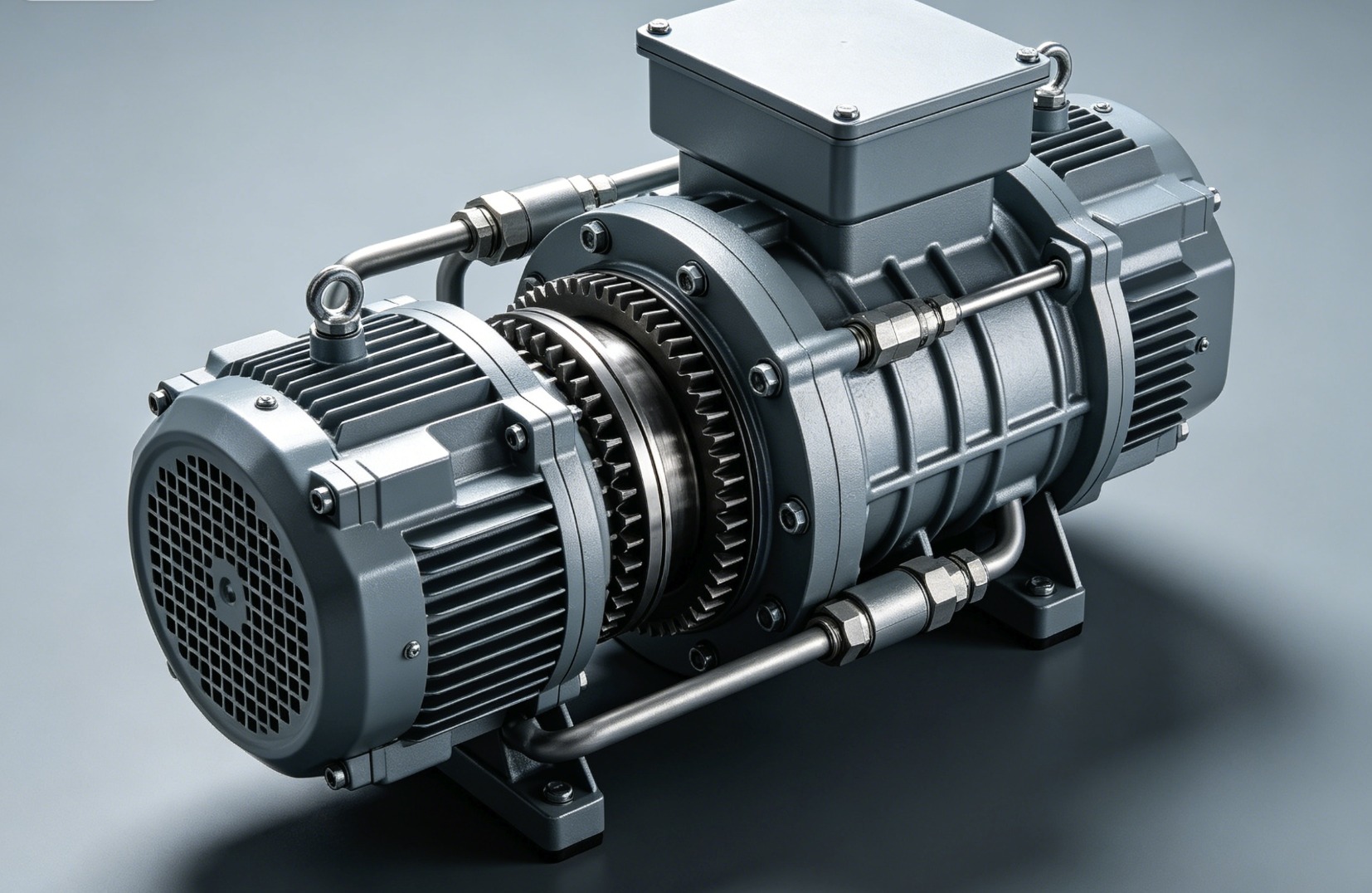
Rotary screw air compressors utilize two parallel, interlocking helical rotors to continuously compress gas within an enclosed housing. As the rotors turn, the volume between the intersecting lobes decreases, smoothly raising the air pressure from the inlet to the discharge port. This continuous displacement mechanism operates with minimal friction, delivering a pulsation-free airflow perfectly suited for advanced automated machinery. Industrial facilities seeking dependable uptime prioritize these systems because they suffer virtually zero mechanical vibration or internal volumetric friction losses.
Conversely, a reciprocating piston compressor relies on a crankshaft-driven connecting rod to move a piston up and down inside a sealed cylinder. The intake valve opens as the piston retracts, drawing ambient air into the compression chamber before compressing it on the return stroke. This cyclic, stop-start reciprocating movement creates high friction, intense structural vibrations, and significant pressure pulsations. Because this design experiences high mechanical wear on the intake valves, piston rings, and rider bands, it requires frequent structural oversight and regular component replacements to prevent catastrophic mechanical failure.
Performance Metrics and Duty Cycle Comparison
The fundamental differentiator between these two compressed air technologies is the allowable operational duty cycle under full capacity. A heavy-duty rotary screw compressor is engineered for a 100% continuous duty cycle, allowing it to run uninterrupted for multi-hour industrial shifts without thermal degradation. In contrast, standard industrial piston systems are limited to a 60% to 70% intermittent duty cycle to prevent extreme internal heat dissipation issues. Forcing a reciprocating unit to operate continuously causes severe piston ring degradation, valve warping, and rapid breakdown of the internal lubricating oil.
In terms of volumetric delivery, rotary systems consistently outperform reciprocating alternatives regarding specific power and cubic feet per minute (CFM) output per unit of energy. According to established data from the Compressed Air and Gas Institute (CAGI), rotary screw configurations deliver approximately 4 to 5 CFM per horsepower (HP). Reciprocating configurations typically generate only 3 to 4 CFM per HP due to clearance pocket re-expansion losses. This structural efficiency allows a smaller 7.5 HP rotary unit to frequently match the real-world output of a 10 HP piston model, reducing plant electrical supply requirements.
Table 1: Comprehensive Engineering Performance Comparison
| Engineering Parameter | Rotary Screw Compressor Technology | Reciprocating Piston Compressor Technology |
|---|---|---|
| Allowable Duty Cycle | 100% Continuous Operation | 60% – 70% Intermittent Operation |
| Volumetric Yield (per HP) | 4.0 – 5.0 CFM / HP | 3.0 – 4.0 CFM / HP |
| Internal Operating Temp | 170°F – 200°F (76°C – 93°C) | 300°F – 400°F (148°C – 204°C) |
| Typical Sound Levels | 65 – 75 dB(A) | 80 – 95+ dB(A) |
| Oil Carry-Over Rate | Low (typically < 3 ppm with separation) | High (increases significantly over time) |
| Maximum Standard Pressure | 100 – 175 PSI | 175 – 250+ PSI |
Energy Efficiency and Lifespan Dynamics
Thermal control directly correlates with energy efficiency, determining how much input electricity is converted into usable compressed air versus wasted heat. Rotary screw units manage internal thermal loads by circulating specialized oil through the compression air-end, maintaining steady temperatures between 170°F and 200°F. This cooler air discharge inherently carries less moisture, simplifying downstream filtration and air dryer workloads. Reciprocating units operate at internal chamber temperatures exceeding 300°F, creating volatile temperature spikes that cause extensive line condensation and accelerate pneumatic tool oxidation.
To further lower operating costs, modern industrial facilities pair rotary setups with an integrated Variable Speed Drive (VSD). A VSD rotary system dynamically matches motor rotation speed to real-time plant air consumption, preventing the severe energy spikes common with stop-start line configurations. As highlighted by Atlas Copco Industrial Blog Documentation, utilizing variable speed technology reduces facility energy bills by up to 35% compared to fixed-speed units. Piston units are unsuited for precision VSD modifications due to their mechanical oil splash lubrication demands, which require constant minimum RPM thresholds to prevent bearing failure.
Operational Environment and Noise Levels
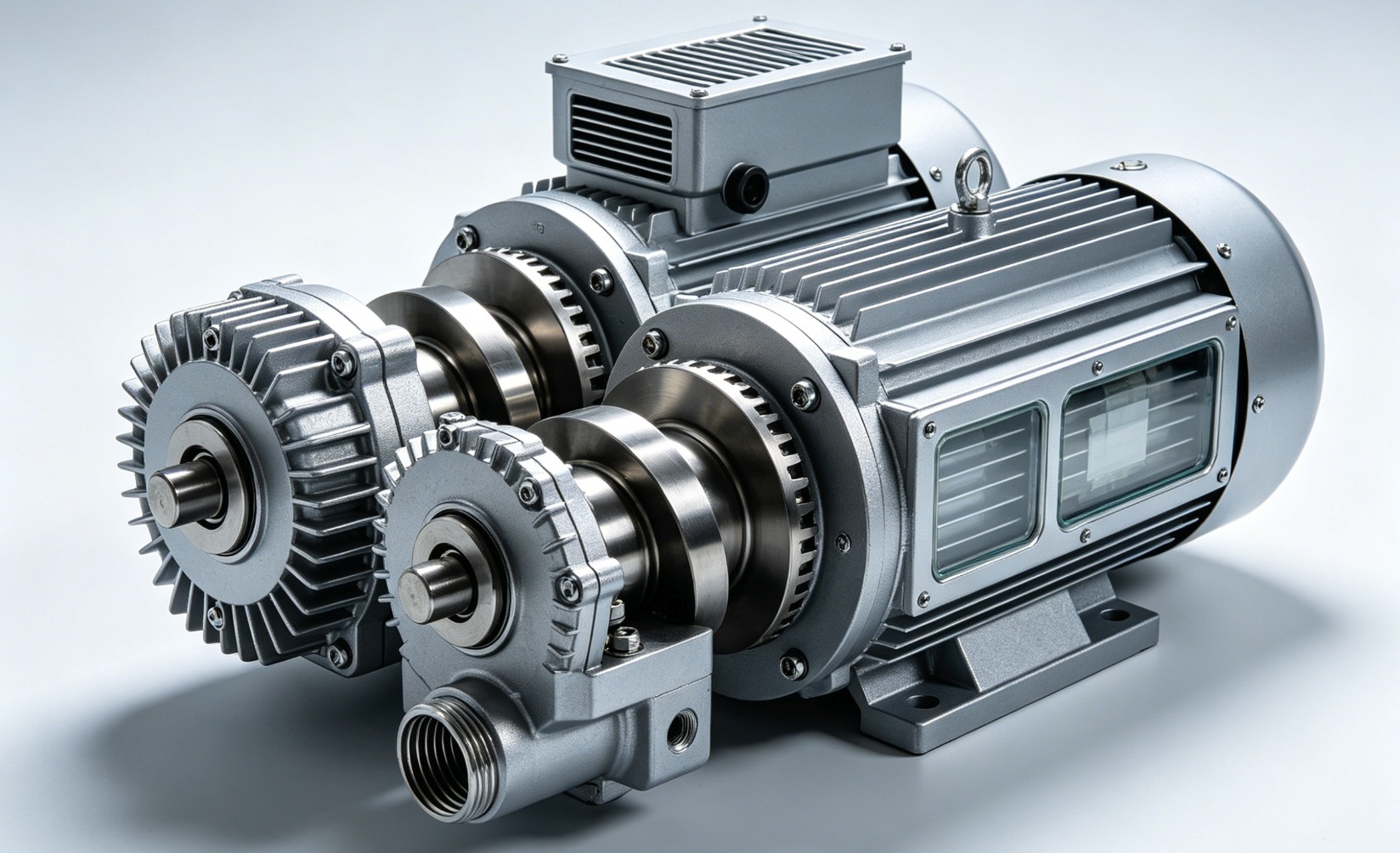
The acoustic profile of an industrial workspace directly impacts personnel safety, installation flexibility, and overall structural compliance. Enclosed rotary screw compressors operate smoothly at 65 to 75 dB(A), which is quiet enough to allow safe conversation directly beside the running machine. This low-noise performance eliminates the need to construct isolated, dedicated compressor rooms, allowing businesses to position the utility directly on the main factory floor. By placing the air supply closer to the point of use, facilities eliminate long piping runs and minimize system pressure drops.
Reciprocating compressor designs generate harsh mechanical noise, frequently registering between 80 and 95+ dB(A) during standard loaded cycles. This excessive noise level violates strict industrial safety limits, forcing plants to install these units in remote locations or exterior enclosures. Furthermore, the violent impact forces of reciprocating pistons require heavy concrete foundations and anchor bolts to prevent the machine from shifting. Over time, these unmitigated vibrations cause micro-fractures in adjacent metal piping connections, leading to hidden air leaks that hurt system efficiency.
Economic Selection Matrix and Lifecycle Costs
While a piston compressor requires a much lower upfront capital expenditure (CAPEX), it generates significantly higher long-term operating expenditures (OPEX). According to 2025 global market data published by Coherent Market Insights, the rotary screw segment commands over 45% of industrial market share due to its superior lifecycle value. A rotary unit retains a high resale value and runs for up to 50,000 hours before requiring a major air-end rebuild. Reciprocating pumps require top-end overhauls every few thousand hours as valves and rings wear down, making them more expensive to maintain over their lifespan.
Table 2: Financial and Application Selection Matrix
| Operational Factor | Rotary Screw Compressor Choice | Piston Compressor Choice |
|---|---|---|
| Initial Purchase Cost | Premium Investment | Budget-Friendly Investment |
| Maintenance Frequency | Long, predictable intervals | Frequent, short intervals |
| Primary Application Fit | Continuous assembly lines, sandblasting | Auto repair, intermittent nailers, DIY |
| Long-Term Utility Cost | Highly optimized (Low Specific Power) | Less optimized for continuous loads |
| Lifespan Expectancy | Up to 20–25 years if serviced | 5–10 years under heavy commercial load |
Ultimately, facilities with consistent, multi-shift air demands achieve the fastest return on investment by selecting a rotary screw model. The energy savings alone generally offset the initial purchase price difference within the first two years of continuous operation. Small automotive workshops or construction teams with intermittent, low-volume air usage are better served by the lower initial cost of a reciprocating piston system. Balancing your specific CFM requirements, real-world duty cycle, and local utility rates ensures a reliable, cost-effective compressed air configuration.
Frequently Asked Questions (FAQs)
1. Why is a rotary screw compressor preferred over a piston model for continuous industrial manufacturing?
Industrial manufacturing requires a uninterrupted, steady supply of compressed air that only a rotary screw compressor can deliver via its 100% continuous duty cycle. Reciprocating piston models require regular cooling periods to avoid overheating, making them poorly suited for modern multi-shift factory automation.
2. Can a piston air compressor match the energy efficiency of a modern VSD rotary compressor?
No, a piston compressor cannot match the energy efficiency of a Variable Speed Drive (VSD) rotary compressor during continuous operation. Reciprocating units rely on inefficient start-stop cycles that create massive energy spikes, whereas VSD rotary units precisely adjust motor speeds to match real-time plant air demands.
3. How do the maintenance requirements and overall operational lifespans compare between these two systems?
Rotary screw systems feature fewer contacting wear components, resulting in predictable service intervals and operational lifespans exceeding 50,000 hours before major overhauls. Reciprocating pistons experience high internal friction, requiring frequent valve, ring, and splash-lubricant servicing to prevent structural degradation and unexpected plant downtime.
4. What are the typical workspace noise limitations associated with installing a reciprocating piston compressor?
Reciprocating compressors generate loud mechanical noise levels between 80 and 95+ dB(A), often requiring remote installation or specialized sound-dampening enclosures to protect workers. Enclosed rotary screw alternatives run quietly at 65 to 75 dB(A), allowing direct installation right next to point-of-use assembly lines.
5. Which compressor technology provides better downstream air quality and lower moisture contamination?
Rotary screw compressors provide significantly cleaner downstream air because their lower operating temperatures (170°F–200°F) and integrated oil separators minimize moisture carry-over. Reciprocating pistons run much hotter, causing vaporized moisture to pass into air lines where it damages downstream pneumatic tools and components.