

Oil-Injected Air Compressor Wholesale: Direct Drive Configuration for North American Workshop Applications
When we talk to shop owners and facility managers across the United States and Canada, one question comes up again and again: Should we go with a direct drive unit or stick with the traditional belt drive setup? It's a question that doesn't have a universal answer—but for a growing number of North American workshops running continuous-duty applications, the scales are tipping decisively in one direction. We've spent the better part of three decades helping facilities size up their compressed air needs, and what we're seeing now is a meaningful shift in how the market thinks about compressor configuration. This article lays out exactly why that shift is happening, how direct drive oil-injected compressors work, where belt drive still makes sense, and how to build a selection matrix that actually fits your workshop floor.
If you're buying oil-injected air compressors at the wholesale level for a North American operation, you need to know the difference between these two drive systems—not just in theory, but in the context of real shop conditions, real noise ordinances, and real demands for uptime. We've built this guide to give you that clarity.

Why North American Workshops Are Making the Switch to Direct Drive Oil-Injected Compressors
The compressed air industry has used belt drive systems for over a century. They're reliable, they allow for easy pulley swaps to change gear ratios, and the industrial world learned to live with their quirks. So why are we seeing so many North American workshop operators—not just hobbyists, but real production facilities—asking us about direct drive oil-injected units?
The answer starts with how North American workshop conditions have changed. Many of our customers in states like Texas, California, and Ontario run their compressors in enclosed spaces adjacent to machining centers or assembly lines. That means noise becomes a regulatory issue, not just a comfort one. Belt drive units, with their exposed pulleys and continuous friction surfaces, generate characteristic whine that often requires acoustic enclosures. Direct drive units, by contrast, enclose the motor and pump in a tighter configuration, reducing noise footprints significantly.
Beyond noise, there's the maintenance argument. When a belt stretches, cracks, or snaps—a common occurrence in dusty workshop environments—your production line stops. We've had customers tell us they've replaced belts three times in a single year in high-particle environments like woodworking shops or metal fabrication floors. Direct drive systems eliminate the belt entirely, removing one of the most common failure points in compressed air systems. The EPA's energy efficiency guidelines for industrial equipment also note that direct drive systems typically lose less energy through mechanical transmission, which adds up across a facility running 8,000+ hours per year.
We also can't ignore the simple fact that direct drive compressors are easier to install. There's no belt tensioning to dial in, no pulley alignment to check, and no periodic belt replacement schedule to maintain. For workshops that need a compressor up and running without a specialist on call, that simplicity is worth real money.
Understanding the Core Mechanics: How Direct Drive Oil-Injected Compressors Actually Work
Before we can fairly compare direct drive and belt drive systems, it's important to understand what oil-injected screw compression actually does—and why it matters for workshop applications.
An oil-injected rotary screw compressor works by trapping air between two helical rotors (the male and female screws) within a sealed housing. Oil is injected into the compression chamber alongside the air. The oil serves multiple critical functions: it seals the clearances between the rotors, absorbs compression heat, and lubricates the bearings and gears. Without this oil injection, the rotors would overheat and seize under continuous compression.
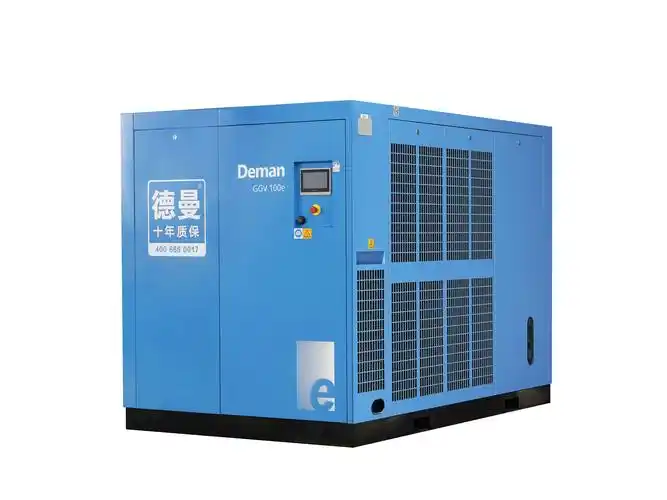
In a direct drive configuration, the electric motor connects to the male rotor shaft through a rigid coupling or gearbox—with no intermediate belt or pulley system. The motor and pump run at the same rotational speed. This mechanical directness has several important implications:
- Higher mechanical efficiency: No energy is lost through belt friction or slip. Studies referenced by ISO standards organizations suggest belt transmission can account for 3–8% energy losses in industrial compressed air systems.
- Lower oil temperatures at idle: Because the motor and pump are directly coupled, the system responds more immediately to load changes, reducing the risk of oil degradation during intermittent operation cycles.
- Smaller footprint: Without the sprawling belt guard, motor mount, and adjustment mechanism, direct drive units typically package into a smaller physical volume—important for workshops where floor space is at a premium.
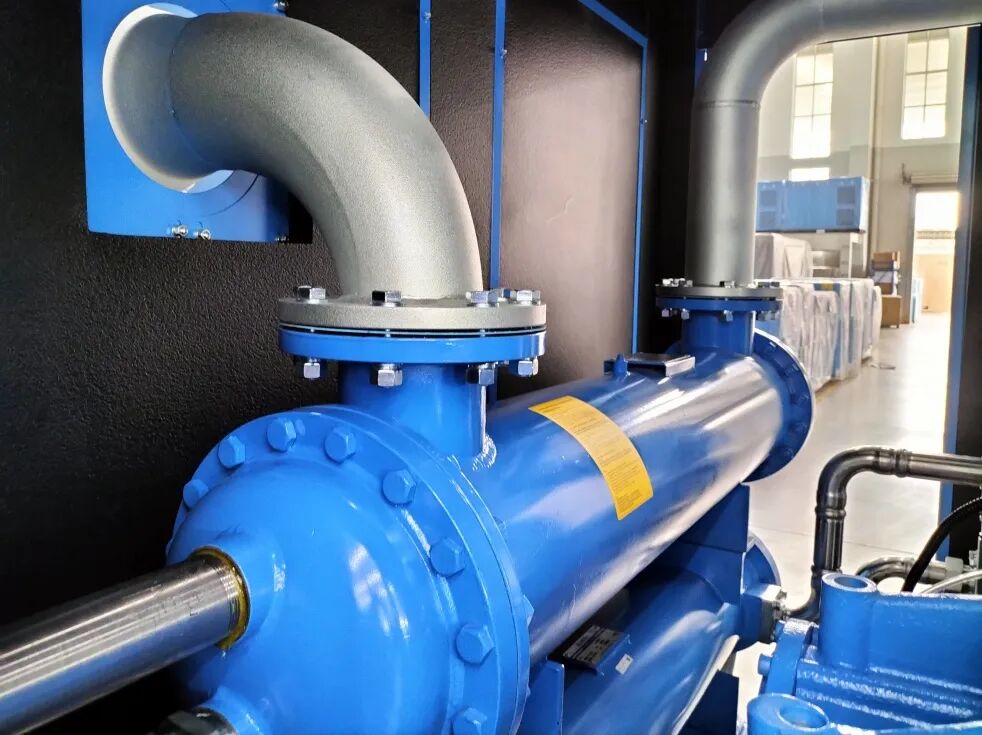
The oil itself circulates through an integrated circuit: it gets compressed alongside the air, then passes through an oil cooler and oil separator tank before returning to the injection point. This closed-loop system is what allows oil-injected screw compressors to run continuously—duty cycles that would destroy a reciprocating piston compressor are routine for a properly sized screw unit.
Where Belt Drive Still Holds Its Ground: Honest Advantages for Specific Applications
We'd be doing you a disservice if we said direct drive was the obvious answer in every case. Belt drive oil-injected compressors have genuine, application-specific advantages that make them the right choice for certain workshops. Our job is to help you know which scenario you're in.
The primary advantage of belt drive systems is speed variability. By changing pulley diameters on either the motor or the compressor end, a technician can alter the gear ratio without changing the motor. This means a single motor can drive a compressor at different output pressures and flows, making belt drive systems more flexible when custom performance parameters are needed. For OEM applications where a compressor must integrate into a machine with unusual space constraints or specific output requirements, this tunability is valuable.
Noise, ironically, cuts both ways here. While direct drive units are generally quieter in normal operation, belt squeal can be addressed with proper enclosure design—and some operators actually prefer the predictable frequency profile of belt-driven systems for acoustic reasons in very large industrial installations.
Perhaps most importantly, belt drive systems are easier to repair in the field. When a direct drive coupling or gearbox fails, you're typically looking at a more involved repair that may require manufacturer support. Belt replacements, while inconvenient, are routine maintenance tasks that any competent maintenance technician can handle on-site with basic tools. For remote North American facilities—mining operations in British Columbia, oil patch workshops in Alberta, agricultural processing plants in the Midwest—knowing that local maintenance staff can handle basic repairs without waiting for a specialist is a meaningful risk-management consideration.
Here's a straightforward comparison that reflects what we tell customers every day:
| Factor | Direct Drive Oil-Injected | Belt Drive Oil-Injected |
|---|---|---|
| Transmission Efficiency | 95–98% (higher) | 88–93% (due to belt losses) |
| Footprint | Compact, enclosed | Larger, exposed components |
| Maintenance Complexity | Lower (no belt replacement) | Higher (belt tension, alignment, replacement) |
| Speed Tunability | Limited (motor-locked speeds) | High (pulley ratio changes) |
| Noise Level | Generally lower dB | Moderate; belt noise possible |
| Field Repairability | Moderate (coupling/gearbox) | High (belt swap in hours) |
| Typical Use Case | Continuous-duty workshop floors | Custom OEM integrations, remote facilities |
| Initial Cost | Moderate–High | Moderate |
Deman's VSD and Two-Stage Compression Technology: Where German Engineering Meets Chinese Manufacturing Scale
When we designed our product line for the North American wholesale market, we made a deliberate decision to focus on two technology vectors that we believe define the next decade of workshop compressed air: Variable Speed Drive (VSD) technology and two-stage compression architecture. These aren't just marketing terms—they represent fundamental improvements in how compressed air is generated and consumed.
Standard fixed-speed oil-injected compressors operate in a simple binary mode: they're either at full load or completely off. When the pressure tank calls for air, the compressor kicks in at 100% motor output; when the setpoint is reached, it shuts down entirely. This on-off cycling is called "load/unload" operation, and it creates several problems in continuous-duty workshops:
- Each start cycle generates high inrush current that stresses motor windings
- Temperature fluctuations from frequent starts and stops accelerate oil degradation
- The compressor consistently overshoots and undershoots target pressure, wasting energy
VSD compressors solve this by varying the motor speed continuously to match actual air demand. When a spray gun opens and the system draws more air, the drive responds within milliseconds to increase rotor speed. When demand drops, it slows proportionally. The result is precise pressure control within a tight band (±0.1 bar is achievable), dramatically reduced energy consumption, and far fewer load/unload cycles. For workshops running pneumatic tools throughout a full shift, this translates directly into electricity savings that compound over years of operation.
Two-stage compression takes a different but complementary approach. In a two-stage system, air is first compressed to an intermediate pressure in a low-pressure stage, then passed through an intercooler before entering the high-pressure stage for final compression. This two-step process reduces the temperature of the air before final compression, which means each stage operates within a more favorable temperature range. The net result is higher volumetric efficiency, lower specific energy consumption (kWh per cubic meter of air), and longer component life because thermal stress is distributed across two stages rather than concentrated in one.
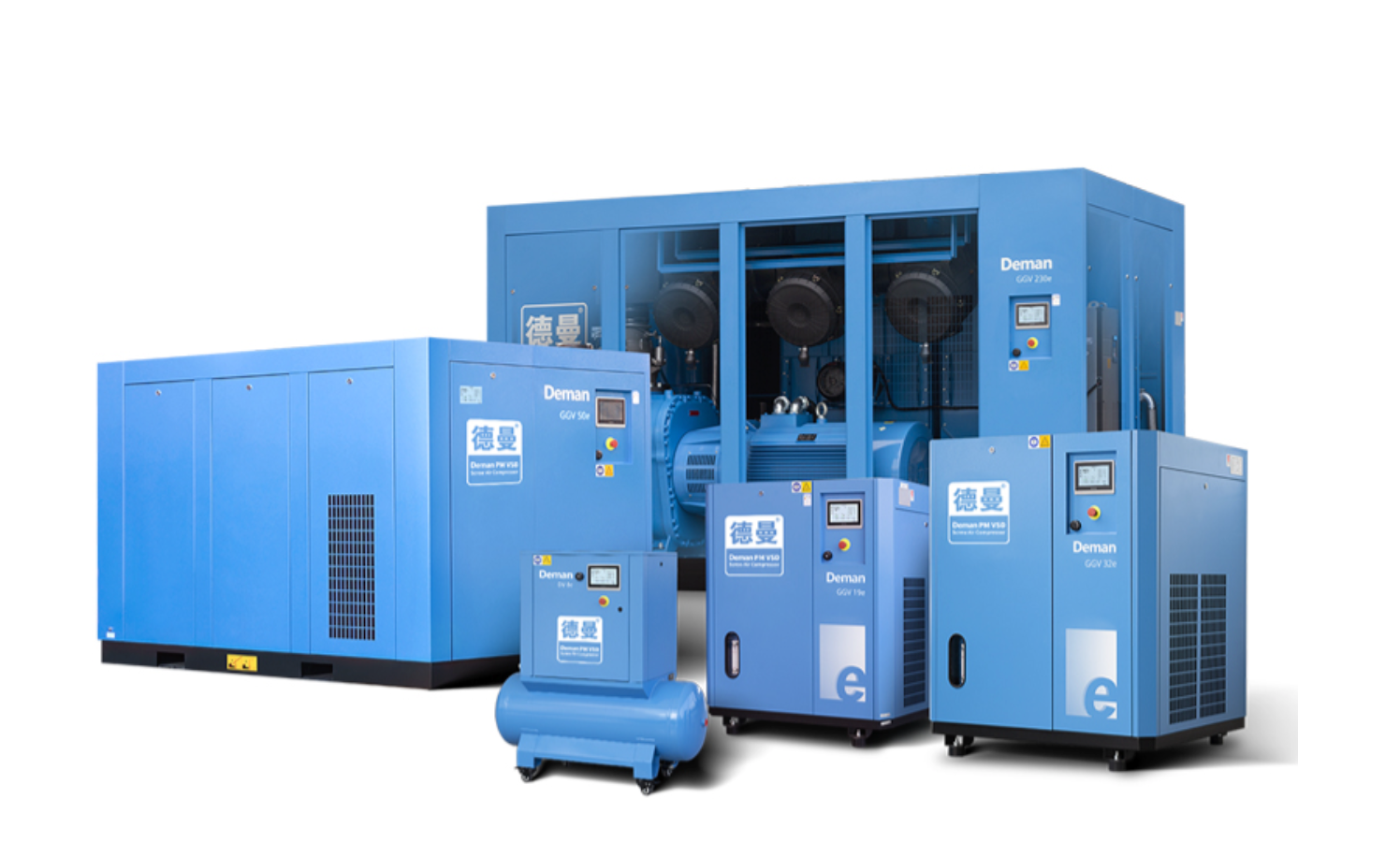
Our product catalog includes both VSD-equipped direct drive models and two-stage compression units—and in our highest-specification lines, these technologies are combined in the same package. We believe this integration of German-precision engineering with the cost advantages of Chinese manufacturing scale is what makes our wholesale pricing competitive for North American distributors and end-users alike.
Building Your Selection Matrix: Matching Compressor Configuration to North American Workshop Applications
Now comes the practical part. We've explained the technologies; here's how you apply them to your specific situation. The right compressor for your workshop depends on three variables: the nature of your pneumatic tools, your duty cycle, and your facility's electrical infrastructure.
Application Category 1: Continuous Production Shops (Auto Repair, Heavy Manufacturing)
If your operation runs pneumatic wrenches, impact tools, sandblasting equipment, or paint sprayers for 6+ hours per day, you're in the continuous production category. These applications demand consistent air delivery without pressure drops that could affect tool performance or finish quality.
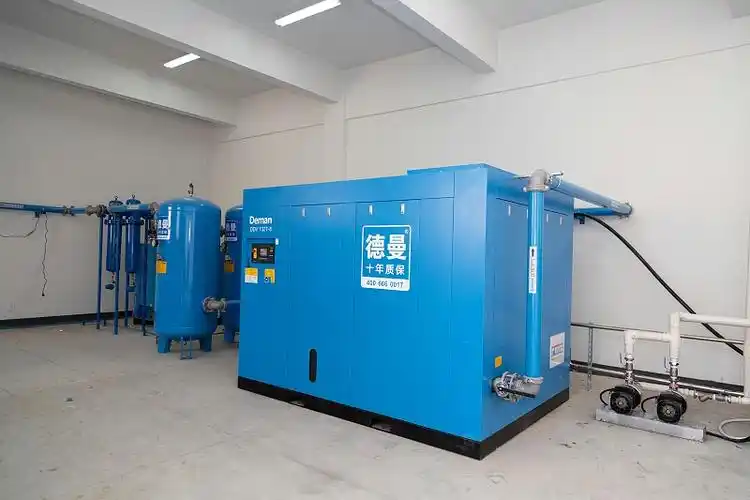
For these applications, we typically recommend a direct drive VSD oil-injected unit in the 15–30 kW range with a properly sized receiver tank. The VSD ensures the compressor responds smoothly to fluctuating tool demand, while direct drive efficiency keeps operating costs down over long run times. Two-stage models become attractive here if your operation demands pressures above 10 bar, since the intercooled compression cycle is more efficient at higher pressure ratios.
The reason we favor direct drive for this category is straightforward: these shops can't afford unplanned downtime from belt failures, and the maintenance simplicity of direct drive systems aligns with lean operations goals. We've had auto dealership service centers in California report that switching to direct drive VSD units reduced their compressor-related maintenance incidents by over 60% compared to their previous belt drive setups.
Application Category 2: Intermittent Use Facilities (HVAC Shops, Light Assembly, Agricultural)
Facilities that use compressed air for 2–4 hours per day, often in irregular patterns—think HVAC contractors topping up systems, agricultural equipment shops doing seasonal repairs, or light assembly operations with batch processing—have different optimization goals. Here, initial cost and flexibility matter as much as energy efficiency.
A mid-range fixed-speed direct drive unit often represents the best value in this category. The acquisition cost is lower than a comparable VSD model, and the direct drive maintenance profile still outperforms belt drive alternatives. If the facility's electrical service is limited (common in older rural buildings), a properly sized fixed-speed unit can operate on standard three-phase 208–230V circuits that belt drive units of equivalent output might require additional conditioning to use.
Application Category 3: Remote and Mobile Operations (Mining, Oil & Gas, Construction)
North America's resource extraction and construction industries operate in some of the most demanding environments for compressed air equipment: dust, temperature extremes, remote locations, and the need for rapid deployment. Belt drive systems still hold a meaningful share of this market for good reasons: field replaceability, the ability to set exact pressure ratios with custom pulleys, and the robustness of their mechanical design.
For these applications, we recommend focusing on belt drive units with enhanced filtration packages and ruggedized enclosures. The ANSI standards for industrial compressed air systems provide useful reference frameworks for specifying equipment for harsh environments, and we can help you build a specification that meets or exceeds those guidelines.
Real-World Selection Scenarios: How North American Workshops Are Choosing Today
Let's walk through a few real-world decision paths we see regularly from North American buyers coming to us for wholesale oil-injected air compressors.
Scenario A: Midwest Auto Collision Repair Chain
A regional chain operating 12 collision repair facilities across Illinois and Indiana came to us looking to standardize their compressor fleets. Each facility ran 4–6 spray guns and a mix of pneumatic tools during a 10-hour workday. After analyzing their air consumption patterns with flow metering, we sized them for 22 kW direct drive VSD units with 500-liter receiver tanks. The VSD was essential because spray gun demand fluctuates constantly as technicians move between prep work and clear coat application. Over 18 months of operation, the chain reported an average 28% reduction in compressor electricity costs compared to their previous fixed-speed belt drive units.
Scenario B: Texas Metal Fabrication Workshop
A custom metal fabrication shop in Houston was running an aging belt drive 15 kW unit that required belt replacement every 4–6 months due to heat and metal particulate in the air. The shop owner estimated he was losing $1,200–$1,800 per year in downtime and parts. We specified a 15 kW direct drive two-stage unit with an upstream filtration system to address the particulate issue at source. After 14 months of operation, the owner reported zero maintenance events beyond the standard oil and filter changes—something we've built a detailed technical walkthrough on our blog explaining why two-stage design handles contaminated intake air more gracefully than single-stage alternatives.
Scenario C: British Columbia Logging Equipment Service Center
Remote location, limited three-phase electrical service, and a maintenance team that's comfortable with mechanical systems but doesn't have factory-level support nearby. Here we recommended a belt drive unit specifically for its field serviceability—the customer could replace a belt with basic tools and be back online within two hours, versus waiting days for a specialized part for a direct drive gearbox. The trade-off in efficiency was acceptable given the facility's operational context.
What North American Buyers Ask Us Before Placing Wholesale Orders
We've compiled the five questions that appear most frequently during our pre-order technical consultations with North American distributors and facility managers. These reflect the real concerns buyers have when committing to a wholesale compressor purchase.
We supply our direct drive VSD and two-stage units configured for North American standard three-phase service at 208V, 230V, and 460V depending on your facility's electrical panel configuration. VSD units are particularly valuable in this context because the variable frequency drive can accept a relatively wide input voltage range and still produce consistent output, providing a degree of built-in surge protection that fixed-speed units lack. Our North American technical documentation includes full wiring diagrams conforming to ANSI and NFPA standards, and we provide US-side technical support contacts for specification assistance before purchase.
Our warranty covers the mechanical components of the compression element, the motor, and the VSD drive (where applicable) against manufacturing defects for 10 years from the date of first installation. It covers the air end, motor windings, bearings, seals, and electronic drive components. The warranty does not cover consumables (oil, filters, separator elements) or damage from improper installation, contaminated intake air without adequate filtration, or operation outside specified parameters. We provide a complete warranty document with each unit and work directly with our North American distribution partners on claim processing—we've found that most issues can be diagnosed remotely through our technical support team, which reduces turnaround time significantly.
Yes—within specified operating parameters. Our two-stage direct drive units are rated for operation in ambient temperatures ranging from 5°C to 45°C (41°F to 113°F). For unheated Canadian workshops that drop below 5°C during winter months, we recommend specifying our cold-weather oil option and ensuring the compressor room has some source of residual heat or ventilation to prevent the oil from reaching viscosity levels that impair circulation. One thing we've built into our engineering: the oil sump has a thermostatically controlled oil preheater on all two-stage models, which activates automatically when ambient temperature drops below threshold, ensuring the oil is at operating viscosity before the unit attempts to start.
For standard wholesale configurations in our product catalog, production lead time is typically 3–5 weeks from order confirmation. For customized configurations requiring non-standard motor ratings, specific voltage configurations, or modified enclosures for niche applications, lead time extends to 6–8 weeks. We work with freight forwarders experienced in industrial equipment shipping to North America and can provide CIF, FOB, and DDP pricing terms depending on your logistics arrangement. Our distribution partners in the US and Canada typically hold safety stock of fast-moving models to bridge the gap between our production lead time and their end-customer deployment schedules.
VSD units produce harmonic distortion on the electrical supply that can, in some cases, require additional filtering if your facility shares a transformer with sensitive electronic equipment. We supply VSD units with integrated harmonic filtering as standard on models above 15 kW, which brings total harmonic distortion (THD) within IEEE 519 guidelines. For smaller VSD units, we can recommend add-on harmonic mitigation if your electrical infrastructure is particularly sensitive. From a service standpoint, the VSD drive also provides soft-start capability—the motor ramps up gradually rather than drawing locked-rotor current at startup, which reduces stress on your facility's electrical infrastructure and eliminates the voltage dip that fixed-speed units can cause when they start.
Taking the Next Step: How to Request a Wholesale Quote and Specification Review
If you're a North American distributor, facility manager, or industrial buyer reading this article and thinking about your next compressor purchase, here's what we suggest as a practical next step. Don't make your decision purely from a spec sheet—compressed air is one of those areas where talking to an application engineer before you commit saves real money downstream.
We offer free specification reviews for wholesale orders above $10,000. That means we'll look at your tool inventory, your duty cycle data if you have it, your electrical service configuration, and your facility layout, and we'll come back with a specific model recommendation—not just the unit that maximizes our margin, but the one that actually fits your application. You can reach us through our product inquiry form or contact our North American sales desk directly.
The North American market for oil-injected air compressors is maturing rapidly. Buyers who once defaulted to belt drive units because that's what their fathers used are discovering that direct drive VSD configurations offer compelling advantages in efficiency, maintenance burden, and footprint. Two-stage technology is no longer a niche feature reserved for the largest industrial installations—it's becoming accessible at the 15–30 kW range where most North American workshops live. We're committed to making that technology available at wholesale pricing that lets distributors compete effectively while still delivering equipment that performs when it hits the shop floor.
Whether you're outfitting a single facility or standardizing a multi-location fleet, the fundamentals we've outlined here—understand your duty cycle, match your drive configuration to your maintenance capability, and spec VSD or two-stage where load variability is high—will serve you well. And if you need help working through the specifics, we're a conversation away.