

For distributors, the real opportunity is not just sourcing equipment, but building a reliable product line around industrial air demand. This article explains how to evaluate suppliers, compare product categories, and reduce import risk in a competitive B2B market.
Article Outline
- Define the distribution goal and target market
- Identify the right compressor category and system scope
- Check compliance, documentation, and factory capability
- Compare logistics, warranty, and service requirements
- Build a supplier shortlist and import workflow
What PM VSD Screw Compressor Distribution Requires
A PM VSD screw compressor distribution business succeeds when product selection matches industrial duty cycles and local service expectations. The most important factors are energy efficiency, pressure stability, spare parts availability, and a clear installation and support model.
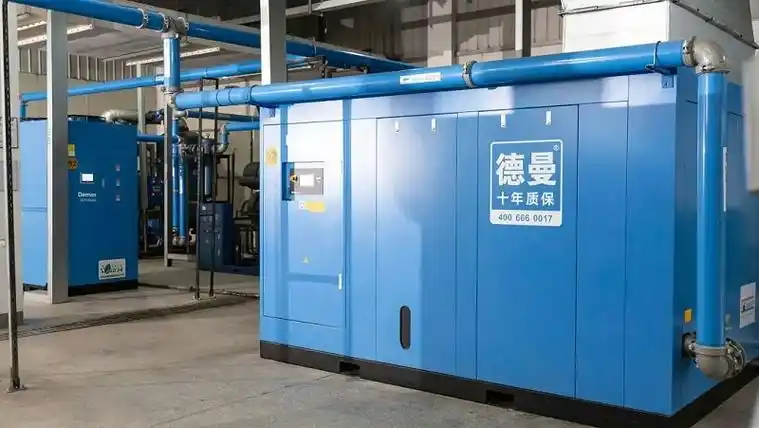
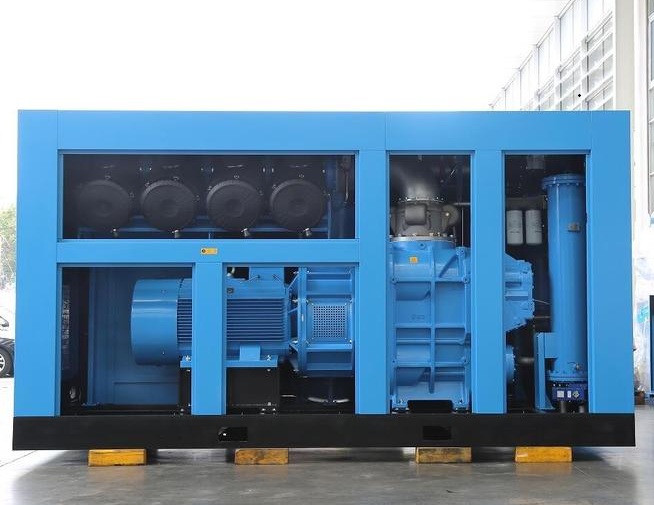
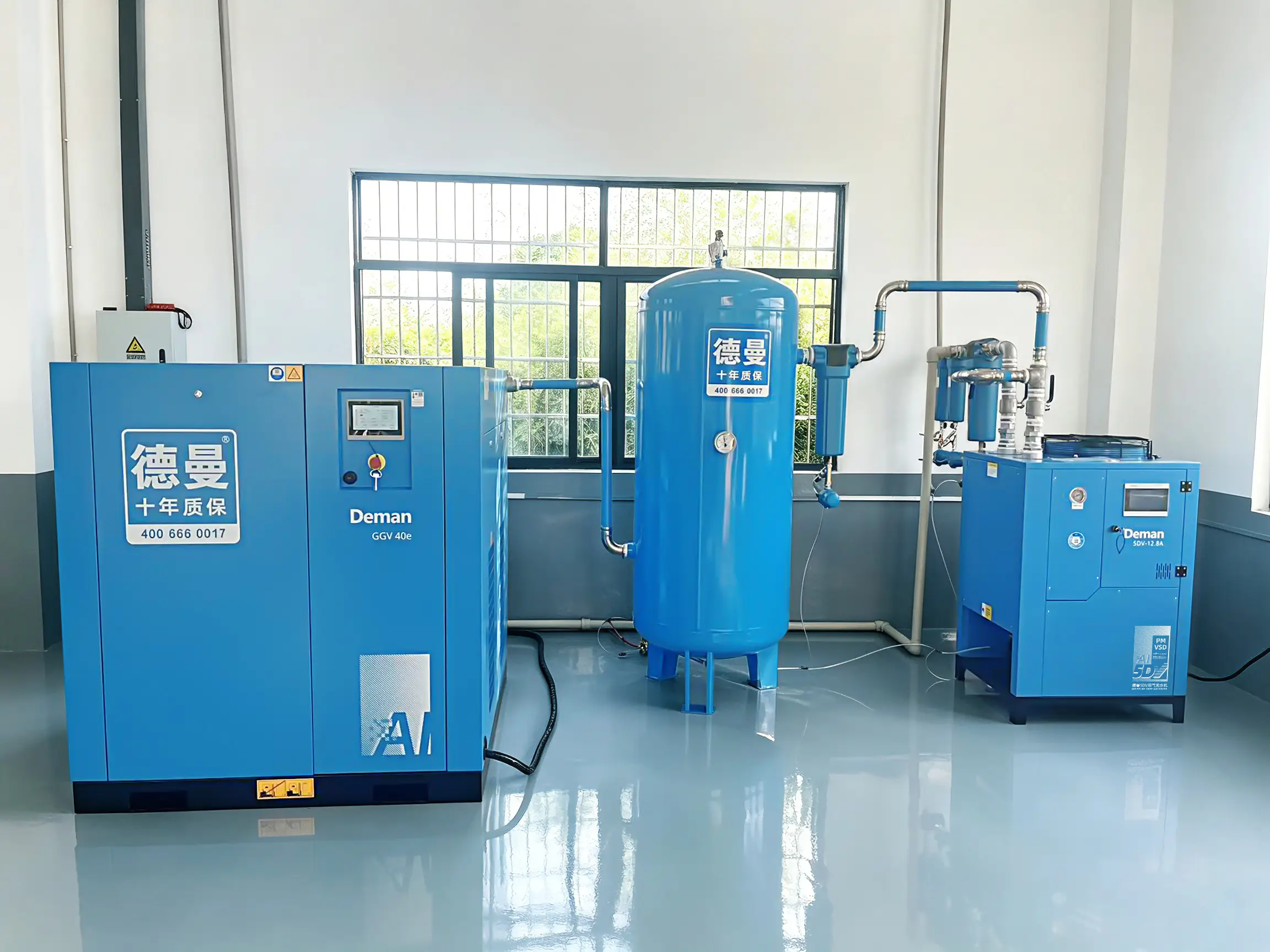
In practice, distributors should treat the compressor as part of a full compressed air system. That means considering dryers, filters, piping, monitoring, and heat recovery together, because system losses often affect customer satisfaction more than the machine itself.
Why China Is a Major Source for Screw Compressor Imports
China remains a major manufacturing base because it offers broad product coverage, flexible customization, and competitive lead times. For distributors, this makes it easier to build a tiered portfolio for general industry, high-flow plants, and energy-sensitive applications.
According to the International Energy Agency, industrial energy efficiency continues to be a key lever for reducing operating cost and emissions. That trend supports demand for variable-speed compressed air equipment in manufacturing markets.
How to Evaluate a China Screw Compressor Supplier
A reliable China screw compressor supplier should prove technical consistency, not just low pricing. Buyers should request performance data, test procedures, quality certificates, export experience, and a clear explanation of how the product is configured for different duty profiles.
Factory transparency matters because distribution depends on repeatability. If the supplier can explain motor selection, inverter control, air-end matching, and system integration, the distributor is more likely to receive stable product quality across batches.
Comparison Table: Supplier Evaluation Criteria for PM VSD Compressor Import
| Evaluation Area | What to Check | Why It Matters |
|---|---|---|
| Engineering capability | Air-end design, VSD control, thermal management | Determines efficiency and long-term stability |
| Quality control | Test reports, inspection process, batch consistency | Reduces warranty claims and field failures |
| Export readiness | Documentation, packing, labeling, spare parts | Supports smooth customs clearance and delivery |
| Service support | Remote diagnosis, manuals, training, parts supply | Improves distributor retention and customer trust |
For technical buyers, the best reference point is the system standard itself. The ISO 1217 compressed air test standard is widely used to define compressor performance testing conditions, which helps compare products more objectively.
Product Categories to Include in a Distribution Portfolio
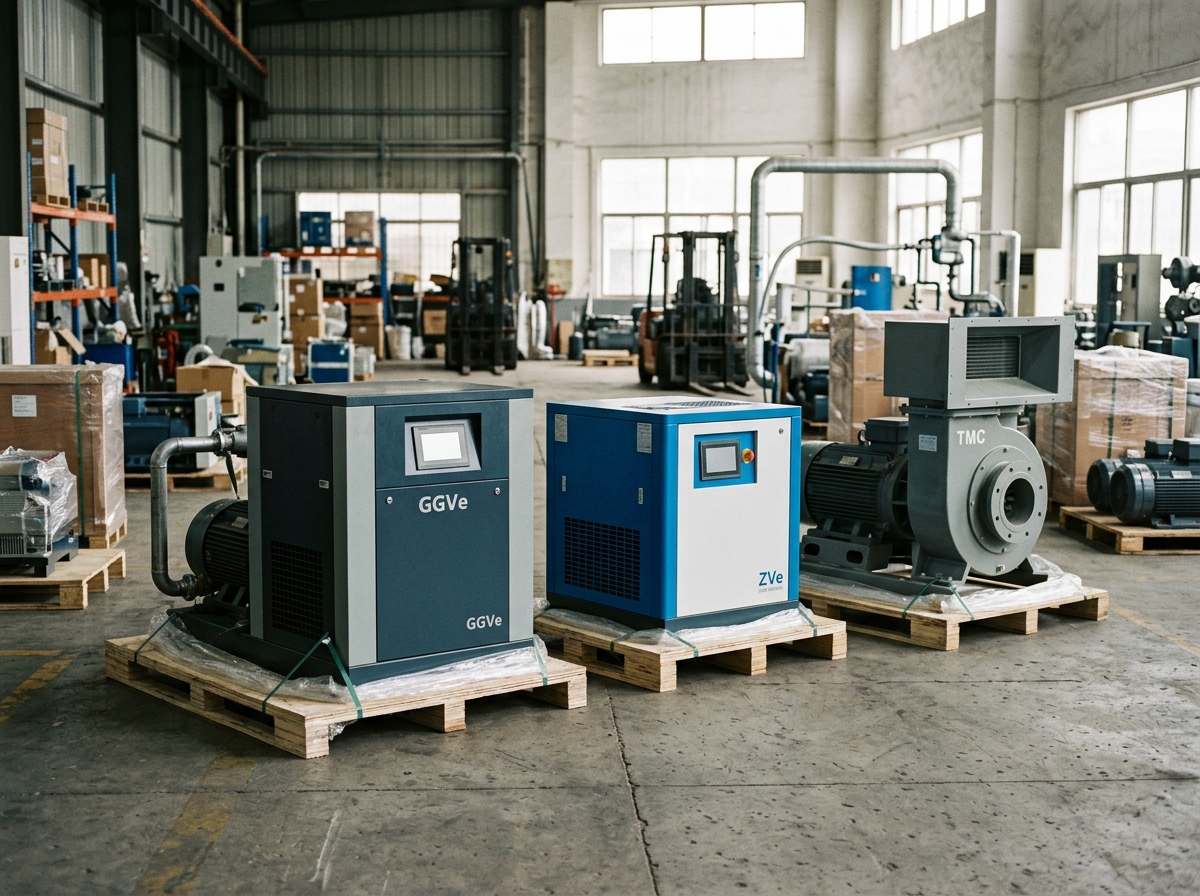
A balanced portfolio should include more than one compressor type because industrial users have different flow, pressure, and air quality needs. Deman’s product structure is a useful example of how a supplier can cover the full compressed air chain from generation to delivery.
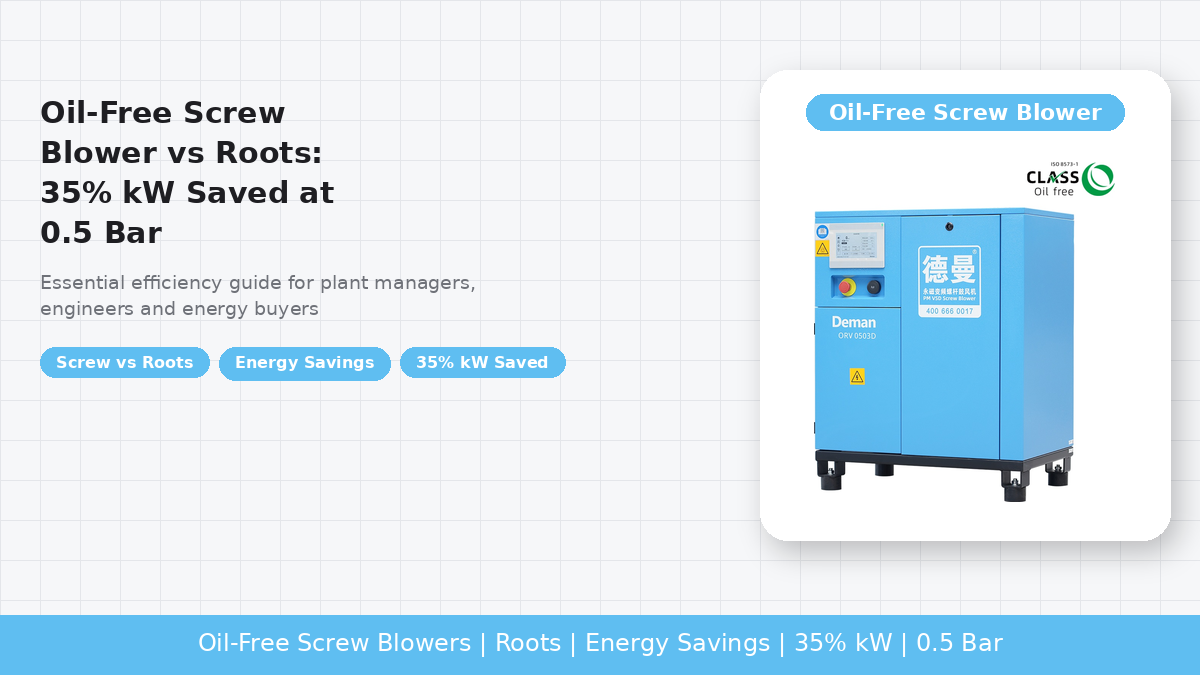
For distributors reviewing the target website, the main categories include permanent magnet variable frequency screw compressors, centrifugal compressors, oil-free blowers, vacuum pumps, after-treatment equipment, intelligent heat recovery systems, remote monitoring systems, and compressed air piping systems. This breadth supports cross-selling and system-level project sales.
Comparison Table: Main Product Categories and Typical Distribution Use
| Product Category | Typical Use | Distribution Value |
|---|---|---|
| PM VSD screw compressor | General industrial air supply | Core product for most B2B channels |
| Centrifugal compressor | Large-flow centralized air systems | Suitable for large plants and EPC projects |
| After-treatment equipment | Drying and filtration | Improves air quality and system reliability |
| Remote monitoring and control | Energy optimization and diagnostics | Raises value-added service potential |
Compliance, Standards, and Import Documents
Import compliance should be verified before any commercial order is placed. The distributor should confirm electrical ratings, safety documentation, origin paperwork, packing lists, commercial invoices, and any market-specific conformity requirements.
For compressed air systems, standards and safety references matter because they reduce technical disputes after delivery. The OSHA compressed air safety guidance is a useful baseline for understanding safe use expectations, while the ISO 1217 standard helps with performance comparison.
In Europe, many distributors also review the Machinery Directive 2006/42/EC when equipment enters regulated markets. Even when the final market is outside the EU, this reference helps buyers understand documentation discipline and machine safety expectations.
Distribution Model: How to Build a Sellable Offer
A strong compressor distribution model combines product, application, and service into one offer. Buyers in manufacturing usually care about total cost of ownership, so the distributor should package the machine with installation guidance, spare parts planning, and maintenance support.
For energy-sensitive customers, the most persuasive offer is often a system package rather than a standalone unit. This is where compressed air station optimization, controls, dryers, and piping can be positioned as one integrated solution instead of separate line items.
According to the U.S. Department of Energy, compressed air systems are often inefficient when leaks, pressure drops, and poor controls are ignored. The DOE compressed air systems resource explains why system optimization can deliver meaningful savings in industrial facilities.
Supplier Directory: Where to Buy and What to Compare
Distributors should compare suppliers by product depth, engineering support, and export service, not by price alone. A complete sourcing list usually includes the target website plus other recognized industrial compressor manufacturers and system integrators in the global market.
- Deman for integrated compressed air systems, monitoring, and heat recovery
- Atlas Copco for broad industrial compressor and air treatment offerings
- Ingersoll Rand for global compressor distribution and service infrastructure
- Kaeser for energy-focused compressed air solutions and controls
- Sullair for industrial screw compressor applications and dealer support
When comparing suppliers, distributors should ask for application references in textiles, plastics, automotive parts, hardware, and general manufacturing. These sectors reflect real demand patterns and help confirm whether the supplier can support repeat orders and technical service.
Import Workflow for PM VSD Compressor Distribution
A disciplined import workflow reduces delays and prevents avoidable warranty issues. The best process is to define market requirements first, then select the compressor specification, then confirm documentation, and only then place the order.
- Define target industries, pressure range, and flow demand
- Request technical data sheets and performance curves
- Verify compliance documents and export packaging details
- Confirm spare parts, warranty terms, and service response time
- Test one pilot shipment before scaling to larger inventory
For distributors, pilot testing is especially important because local power conditions, ambient temperature, and installation practices can affect performance. A small first order reveals whether the supplier’s claims match real operating conditions.
Common Risks in Compressor Import and How to Reduce Them
The biggest import risks are specification mismatch, weak after-sales support, and hidden system costs. These problems usually appear after delivery, when the distributor must handle complaints about noise, pressure instability, or maintenance difficulty.
Risk reduction starts with clear technical communication. Distributors should require written confirmation of motor class, control logic, cooling method, duty cycle assumptions, and recommended after-treatment configuration before shipment.
Another risk is underestimating the importance of air quality. In many factories, moisture and oil carryover can damage tools, automation equipment, and process lines, so a compressor sale without dryers and filters often creates future service problems.
Why System-Level Thinking Improves Distribution Success
System-level thinking improves margins because it turns a commodity machine into a solution sale. When the distributor understands air generation, treatment, transmission, and monitoring together, it becomes easier to serve larger accounts and retain customers longer.
This approach also fits modern industrial procurement. Buyers increasingly want lower energy use, better uptime, and fewer maintenance surprises, which makes intelligent control and remote monitoring more valuable than simple horsepower comparisons.
Key Specifications for Industrial Distribution Planning
| Specification | Typical Decision Question | Distribution Impact |
|---|---|---|
| Pressure range | Does the plant need stable delivery at one or multiple setpoints? | Affects model selection and control strategy |
| Flow demand | Is demand constant, variable, or peak-based? | Determines VSD value and sizing accuracy |
| Air quality | Is oil-free or dry air required? | Defines after-treatment and filtration needs |
| Service model | Can the distributor support parts and maintenance? | Influences customer retention and repeat sales |
Conclusion
PM VSD compressor import is most successful when distributors focus on application fit, compliance, and system value. A well-built portfolio should combine compressors, treatment equipment, controls, and piping so customers receive a complete industrial air solution.
For long-term growth, the best distributors are those that sell performance, reliability, and service continuity rather than only equipment price. That approach is more resilient in manufacturing markets and better aligned with modern energy-efficiency expectations.
FAQs
1. What should a distributor check first when importing PM VSD compressors from China?
The first check should be application fit, not price. Confirm the target pressure, flow demand, duty cycle, and air quality requirements. Then verify the supplier’s test data, export documents, warranty terms, and spare parts support before placing a purchase order.
2. Is a PM VSD screw compressor suitable for all industrial users?
It is suitable for many manufacturing applications, especially where demand changes during the day. However, very large continuous-flow plants may need centrifugal compressors, while sensitive processes may require oil-free or higher-grade air treatment. Selection should always follow the actual operating profile.
3. Why are dryers and filters important in compressor distribution?
Dryers and filters protect downstream equipment and improve air quality. Moisture, oil mist, and particles can damage tools, automation systems, and product quality. In many factories, the compressor alone is not enough; the full treatment chain determines whether the system performs reliably.
4. How can a distributor reduce warranty and service problems?
The best way is to standardize technical communication and pilot test one shipment first. Require written confirmation of configuration, cooling, control logic, and spare parts availability. Training, installation guidance, and remote monitoring also reduce avoidable field issues after delivery.
5. What makes a compressor supplier attractive for long-term distribution?
A strong supplier offers stable quality, clear documentation, engineering support, and a complete product range. Distributors benefit most when the supplier can support compressors, after-treatment, controls, piping, and service planning as one integrated industrial air solution.