

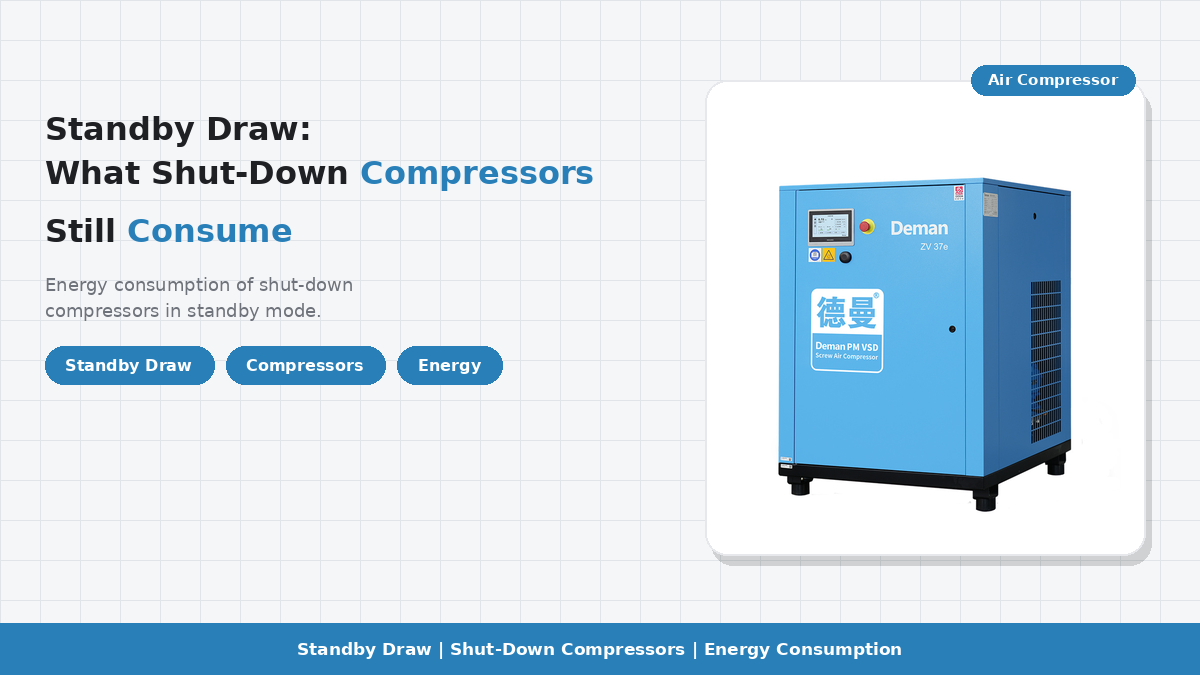
Advantages of Low-Power Two-Stage Rotary Screw Air Compressors
Industrial manufacturing environments require high-performance compressed air systems to balance operational efficiency, reliability and energy consumption. As an innovative technology, two-stage screw air compressors deliver outstanding advantages in energy conservation and operational performance compared with conventional single-stage models.
- Overview of Two-Stage Air Compression Technology
The fundamental difference between two-stage and single-stage screw air compressors lies in their more efficient air compression process. In a two-stage system, air is compressed in two separate stages, with an intercooler installed between the two stages. This design enables more efficient and controllable production of compressed air.
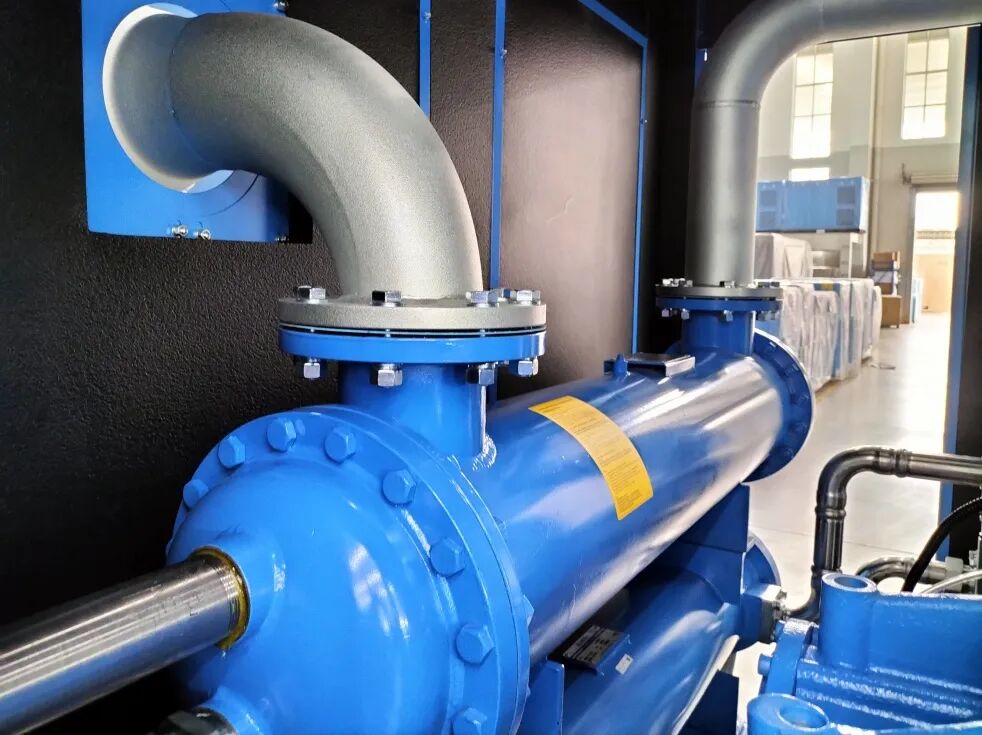
Air is first compressed to an intermediate pressure in the first stage, then flows through an intercooler (typically an oil-cooled type) for temperature reduction. The partially compressed air is subsequently delivered to the second stage for final compression to reach the required pressure. This structured compression process brings multiple core benefits for industrial applications.

- Improved Energy Efficiency
Two-stage screw compressors feature superior energy efficiency versus single-stage units. By dividing the compression workload into two stages, the system achieves an energy saving rate of 15% to 25%, effectively cutting operational costs for industrial facilities.
- Heat Dissipation Performance
Heat is a major adverse factor in air compression. The intercooler between compression stages plays a vital role in heat reduction and energy optimization. Systematic temperature drop during compression minimizes the power required to reach the target pressure, lowering power input and boosting overall system efficiency.
Intercooling also ensures stable and consistent quality of compressed air. This merit is particularly critical for industries that demand high precision and reliability, such as pharmaceutical production, automotive manufacturing and precision engineering.
- Reduced Thrust Load
The structural design of two-stage screw air compressors lowers mechanical stress on compression components. Staged compression alleviates fluctuations in temperature and pressure, which reduces component wear, extends equipment service life, cuts maintenance work and lowers long-term operating costs.
Thrust load is a key factor affecting the service life of compressor main units. Single-stage screw compressors generate higher thrust load, which intensifies friction and wear on internal parts including rotors and bearings, shortening the lifespan of the main unit. Excessive thrust load also raises internal temperature, accelerates lubricant deterioration and damages seals and other components. Additionally, high thrust load impairs compression efficiency, leading to higher energy consumption and operating expenses.
Two-stage rotary screw air compressors serve as an ideal solution for industrial compressed air demands. Combining excellent energy efficiency, reliability and performance, this advanced technology fully caters to the complex requirements of modern manufacturing sites.