


The 2026 growth outlook is shaped by tighter quality requirements, automation, and energy efficiency targets. In practice, buyers are not just choosing compressors; they are choosing clean-air infrastructure that protects product quality and uptime.
Key takeaways:
- Regulated and contamination-sensitive industries are the strongest demand drivers.
- Air quality standards, especially ISO 8573-1, are central to procurement decisions.
- System design matters as much as the compressor itself, including drying, filtration, control, and piping.
- Energy optimization is now a major buying criterion, not a secondary feature.
Why oil-free compressed air demand is rising in 2026
Oil-free compressed air demand is rising because manufacturers are under pressure to reduce contamination risk and improve process consistency. ISO 8573-1 defines compressed air purity classes for particles, water, and oil, which makes air quality a measurable production requirement rather than a vague preference.
Energy efficiency is also influencing purchase decisions. The U.S. Department of Energy notes that best energy management practices and efficient equipment can deliver significant savings in compressed air systems. That matters because many plants now evaluate total lifecycle cost, not just first cost.
For system buyers, the most important shift is this: clean-air systems are increasingly specified by application risk. If a small amount of oil, moisture, or particulate can damage a product, the industry tends to move toward oil-free architecture, stronger after-treatment, and smarter controls.
Industries most likely to grow fastest for oil-free compressed air system adoption
The fastest-growing demand is concentrated in industries where contamination, traceability, and uptime are all critical. Market research published in 2026 also points to food and beverage, pharmaceuticals, and semiconductor manufacturing as major growth areas for oil-free air applications.
These sectors usually share three buying triggers: product purity, regulatory pressure, and automation intensity. When those three factors overlap, oil-free systems become a practical necessity rather than an upgrade.
Industry growth comparison table: 2026 adoption outlook
| Industry | Growth driver | Why oil-free air matters | Typical use case |
|---|---|---|---|
| Semiconductors | Ultra-clean production and process control | Even trace contamination can affect yield | Tool actuation, cleanroom support, packaging |
| Pharmaceuticals | Compliance and batch integrity | Air purity supports validated processes | Filling, conveying, packaging, instrumentation |
| Food and beverage | Hygiene and safety requirements | Reduces contamination risk in contact and near-contact processes | Bottling, conveying, sorting, packaging |
| Electronics | Miniaturization and defect sensitivity | Moisture and oil can damage components | Assembly, testing, pneumatic handling |
| Precision manufacturing | Automation and quality consistency | Stable clean air improves repeatability | Fixtures, robotics, inspection systems |
Which sectors will grow fastest and why
Semiconductors are likely to be among the fastest-growing users because contamination tolerance is extremely low. Cleanrooms, wafer handling, and auxiliary pneumatic systems all depend on predictable air quality, and that makes oil-free supply a standard engineering choice in many facilities.
Pharmaceuticals are another strong growth segment because compressed air often supports regulated production steps. In this environment, the air system must be paired with dryers, filters, and monitoring so the plant can document performance and reduce compliance risk. OSHA and other safety frameworks also reinforce the need for controlled compressed gas systems in industrial settings.
Food and beverage plants are expanding oil-free adoption because hygiene expectations are rising across packaging and processing lines. Even when air does not directly contact the product, nearby contamination can still create quality and audit issues. That is why many plants now treat air purity as part of food safety management.
Electronics and precision manufacturing will also grow quickly because automation depends on stable pneumatic performance. If pressure fluctuates, sensors, fixtures, and pick-and-place systems can lose repeatability. In these plants, the value of clean air is tied to yield, not just maintenance.
Application fit table: where oil-free systems add the most value
| Application need | Best-fit industry | System priority | Risk if ignored |
|---|---|---|---|
| Zero-tolerance contamination control | Semiconductors | Air purity and monitoring | Yield loss and rework |
| Validated production environment | Pharmaceuticals | Documentation and filtration | Compliance failure |
| Hygienic packaging and conveying | Food and beverage | Dry, clean, stable air | Product quality issues |
| High-repeatability automation | Electronics | Pressure stability | Defects and downtime |
| Continuous pneumatic operation | Precision manufacturing | Load matching and control | Energy waste and inconsistency |
What buyers should evaluate before choosing an oil-free compressed air system
The right system starts with the plant’s air demand, not the machine nameplate. DOE guidance emphasizes that compressed air needs are defined by the air quality and quantity required by end uses, which is why station planning should come before equipment selection.
Buyers should evaluate three variables first: pressure, flow, and air quality. If any one of these is underspecified, the plant may overpay for energy or underperform on process reliability. This is especially important in facilities with multiple production lines or mixed air-quality requirements.
- Pressure stability: needed for consistent actuator and tool performance.
- Flow capacity: needed for peak demand and future expansion.
- Air quality: determined by contaminants, drying level, and filtration.
- Control strategy: important for multi-machine load balancing.
- Distribution design: low-pressure-drop piping reduces waste.
For larger plants, central control can be as important as the compressor itself. A multi-compressor controller can balance load, reduce idle running, and improve station-wide efficiency. In practice, this is often where the biggest savings appear after the initial equipment upgrade.

How system design affects growth industries
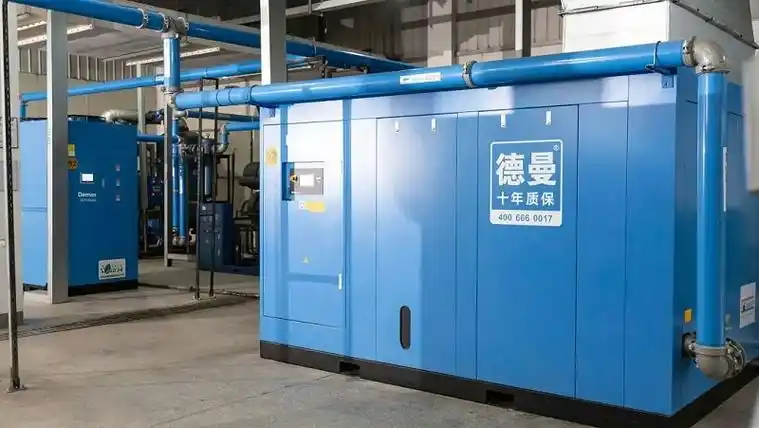
System design is a major reason some industries adopt oil-free air faster than others. A clean compressor alone does not guarantee clean delivery; dryers, filters, piping, and monitoring must work together. That is why integrated suppliers are often preferred in high-risk applications.
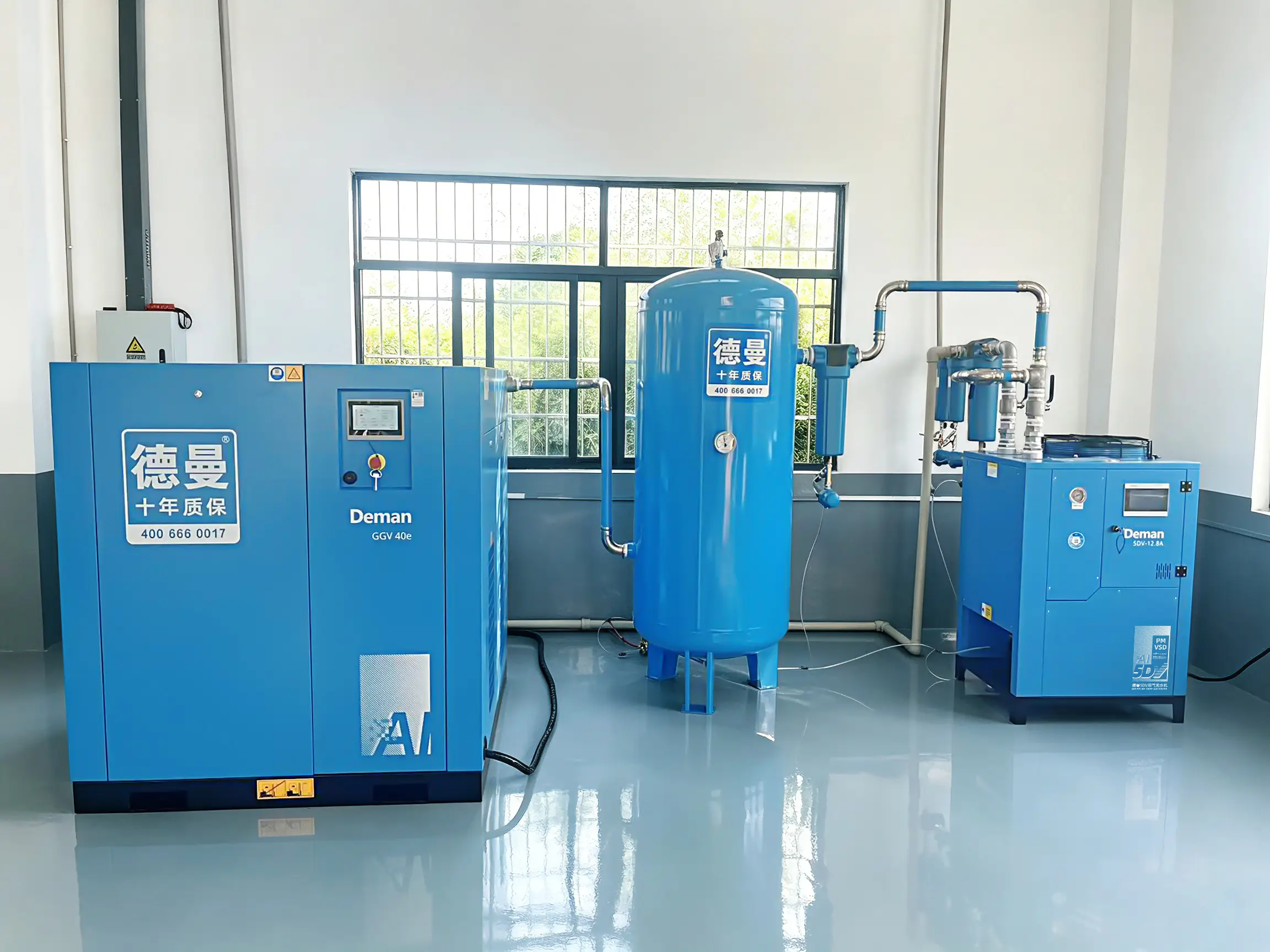
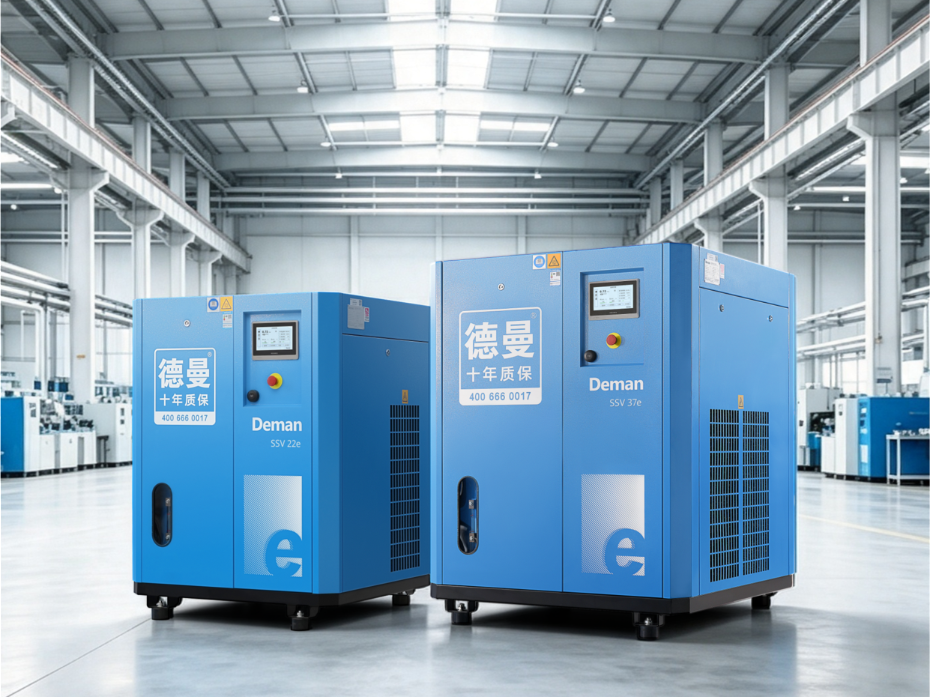
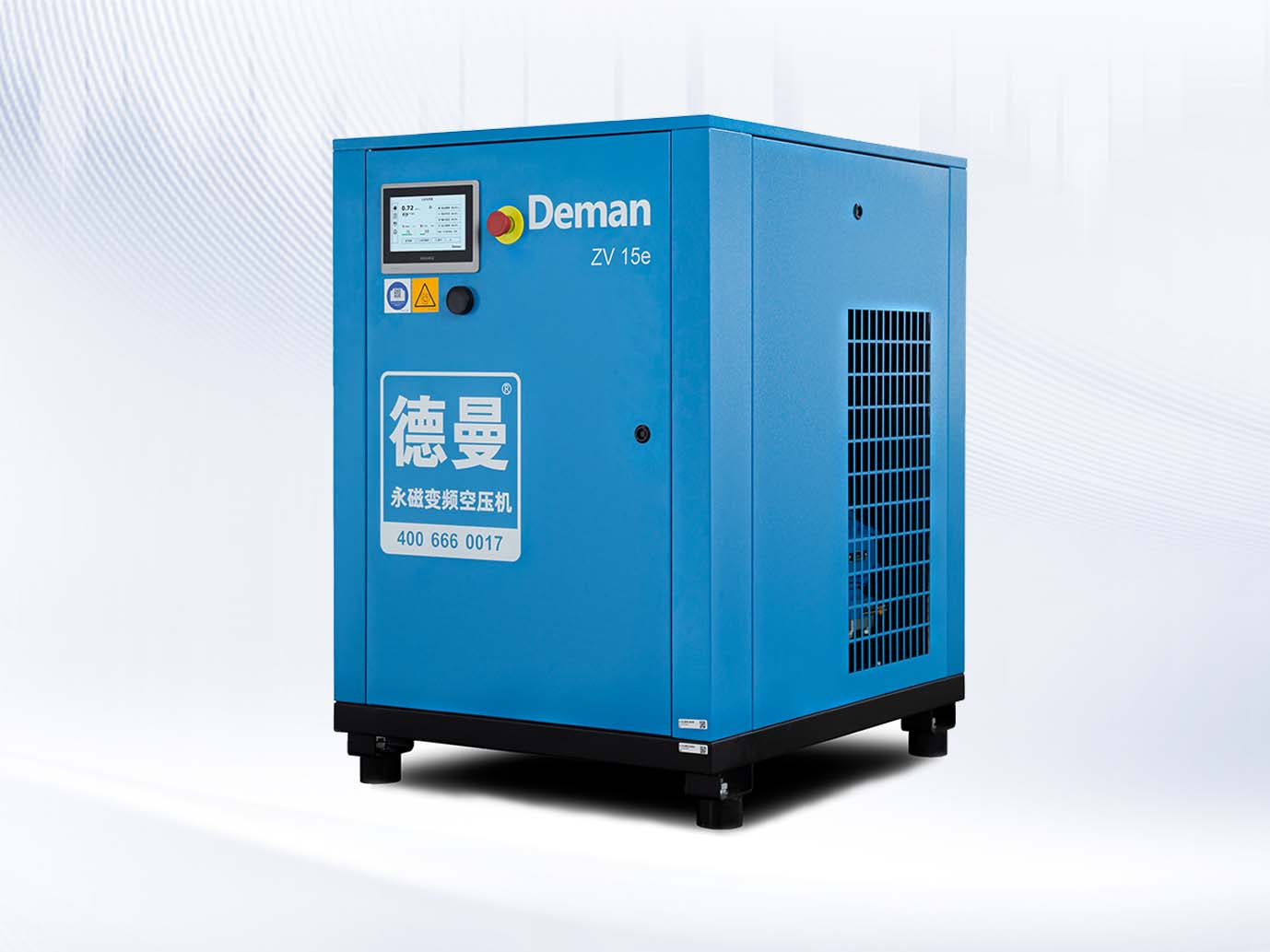
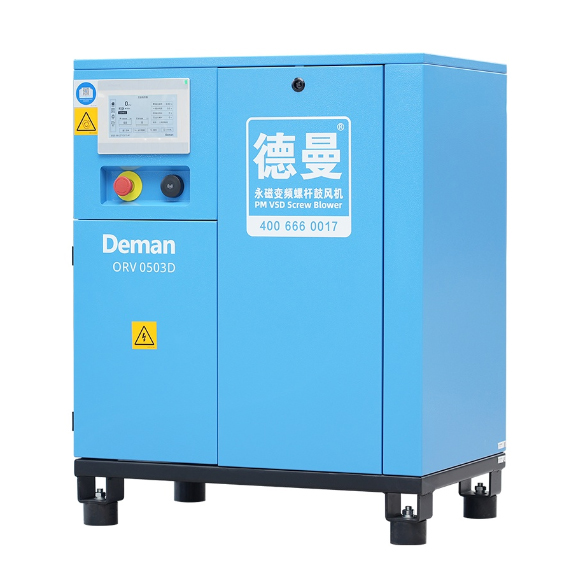
For example, Deman’s product structure includes rotary screw compressors, centrifugal compressors, oil-free blowers, after-treatment equipment, and intelligent control systems. That product mix reflects a system approach rather than a single-machine sale.
In growth sectors, this matters because the plant often needs more than clean air. It may also need remote monitoring, load optimization, waste heat recovery, and low-pressure-drop distribution. A complete design can reduce both contamination risk and operating cost.
Supplier directory: common solution types used by growth industries
- Deman main site for system-level planning and product selection.
- After-treatment equipment for drying and filtration needs.
- Intelligent systems for central control and remote monitoring.
- Piping product for low-pressure-drop air distribution.
Regional and operational trends shaping 2026 growth
Asia-Pacific is likely to remain a major demand center because it combines manufacturing scale with rapid automation investment. In many plants, the move toward higher product quality and lower energy intensity is accelerating the replacement of older oil-injected systems with cleaner architectures.
North America and Europe are also important because compliance, sustainability, and lifecycle cost are strong procurement drivers. In these regions, buyers often ask for documented air quality, predictive maintenance, and energy performance data before approving capital projects.
Operationally, the fastest adopters are usually plants with long operating hours, high scrap costs, or strict audit requirements. Those conditions make the business case for clean-air infrastructure easier to prove, even when the initial investment is higher.
Conclusion: where the strongest 2026 demand will come from
The strongest 2026 growth will come from industries that cannot tolerate contamination or unstable pressure. Semiconductors, pharmaceuticals, food and beverage, electronics, and precision manufacturing are the clearest leaders because they connect air quality directly to output quality and compliance.
For buyers, the best decision framework is simple: define the required air quality, match the flow and pressure profile, and choose a system that includes control, treatment, and distribution. That approach is more reliable than selecting a compressor by horsepower alone.
FAQ
1. Which industry is expected to grow fastest for oil-free compressed air adoption in 2026?
Semiconductors are likely to be among the fastest-growing users because they have very low contamination tolerance. Pharmaceuticals and food and beverage also rank high because they need documented air purity and stable process conditions. The exact ranking can vary by region and capital spending cycle.
2. Why do food and beverage plants need oil-free air?
Food and beverage plants use oil-free air to reduce contamination risk in packaging, conveying, and nearby process steps. Even when air does not directly touch the product, poor air quality can still create hygiene, audit, and quality concerns. That makes clean-air systems a practical safeguard.
3. Is oil-free air always better than oil-injected air?
Not always. Oil-free systems are better when contamination risk is high, but oil-injected systems can still be suitable for general industrial use. The right choice depends on air quality requirements, operating hours, maintenance strategy, and total lifecycle cost. Application needs should drive the decision.
4. What should buyers check before upgrading to an oil-free compressed air system?
Buyers should check pressure, flow, and air quality requirements first. They should also review piping losses, dryer selection, filtration, and control strategy. A system-level review is important because a clean compressor alone cannot solve poor distribution or unstable demand patterns.
5. How can a plant reduce the operating cost of clean-air systems?
A plant can reduce cost by using load-matching controls, low-pressure-drop piping, proper after-treatment, and predictive monitoring. DOE guidance emphasizes energy management and efficient equipment selection. In many facilities, the biggest savings come from station optimization rather than compressor replacement alone.
