Leave Your Message
How the automotive aftermarket and repair sector is shifting from legacy reciprocating pumps to intelligent, digitalized screw compressor architectures.
For decades, automotive repair garages and body shops relied heavily on noisy, high-vibration reciprocating piston compressors. These legacy units suffer from severe thermal degradation, intermittent pressure drops, continuous oil carryover into delicate paint lines, and tremendous energy inefficiency during unloader cycles.
Modern automotive service operations operate on tight cycle times and strict ISO standards. The commercial imperative to eliminate rework on premium refinishing jobs has made intelligent screw compressors the definitive standard for competitive workshops worldwide.
Electricity consumption accounts for up to 75% to 80% of an industrial air compressor's total lifecycle cost. In busy automotive repair facilities where pneumatic load shifts erratically between impact wrenches, spray booths, and vehicle lifts, conventional fixed-speed units waste huge amounts of power idling.
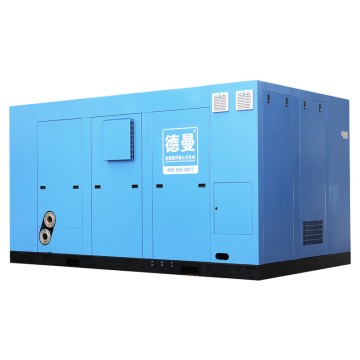
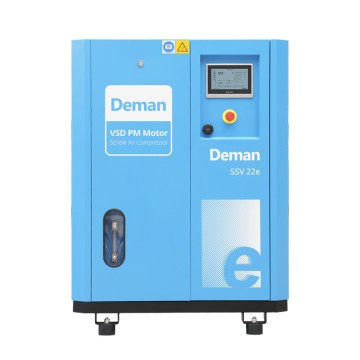
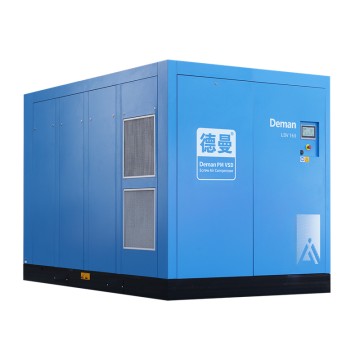
By integrating Permanent Magnet Variable Speed Drive (PM VSD) systems, compressor output precisely matches instantaneous tool demand in real-time, eliminating off-load power draw and reducing workshop electricity bills by 30% to 50%.
An unexpected compressor shutdown brings an entire collision repair center to a standstill—halting robotic paint sprayers, frame straighteners, plasma torches, and tire changers. Unplanned downtime directly erodes shop profitability and customer satisfaction ratings.
Intelligent air compressors solve this bottleneck via edge-computing microcontrollers, continuous thermal/vibration telemetry, self-diagnostic alert routines, and remote cloud management, allowing technicians to predict maintenance cycles before failures occur.
From waterborne paint atomization to EV battery casing fabrication, discover how intelligent compressed air drives operational excellence across automotive bays.
The automotive collision refinishing sector has broadly transitioned to eco-friendly, waterborne basecoats. These coatings are exceptionally sensitive to ambient humidity, particulate matter, and trace oil vapors. Microscopic oil droplets in the air line cause catastrophic fish-eyes, blistering, and orange peel defects, forcing costly manual repainting.
Intelligent compressor setups paired with smart refrigerated dryers deliver consistent ISO 8573-1 Class 1/Class 2 air quality, ensuring laminar atomization in HVLP spray guns, uniform metallic flake dispersion, and ultra-fast booth curing cycles without thermal fluctuations.
High-throughput commercial tire centers and mechanical maintenance bays utilize heavy-duty 1/2" and 1" pneumatic impact wrenches, wheel bead seaters, nitrogen membrane generators, and multi-post vehicle hoists. Simultaneous tool engagement often triggers steep line pressure drops on outdated compressor systems.
Intelligent PM VSD compressors respond within milliseconds to sudden air surges, maintaining line pressure stable within ±0.01 MPa. This eliminates torque inaccuracies during critical suspension and lug-nut fastening, boosting workplace safety and service throughput.
The rapid rise of Electric Vehicles (EVs) introduces stringent clean-room and ESD-safe requirements within specialized workshop areas. Servicing battery enclosures, thermal management systems, and electric drive units requires ultra-clean, dry compressed air for pneumatic seal testing, robotic sealant dispensing, and moisture evacuation.
Smart oil-injected and high-filtration screw systems provide ultra-stable, moisture-free compressed air that prevents galvanic corrosion or dielectric breakdown in EV high-voltage contacts and aluminum chassis weldments.
Modern automotive body shops perform structural realignment on high-strength steels, advanced aluminum alloys, and composite panels. Plasma cutters, fiber laser repair cutting stations, and pneumatic hydraulic pulling towers demand continuous high-pressure compressed air without cyclic pulsations.
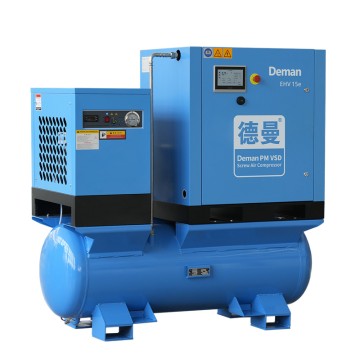
Dedicated high-pressure systems like the EHV Series provide stable, high-pressure assist gas that ensures dross-free laser cutting of body panels, enabling seamless OEM-spec replacement panel fitting and factory-grade weld preparation.
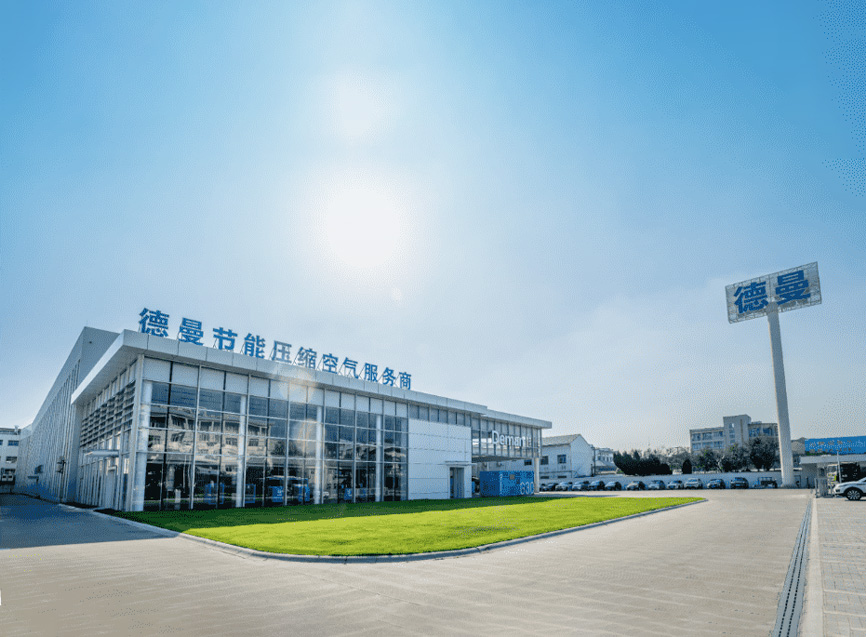
Founded in 1998, Deman has been at the forefront of the air compressor industry by leading energy-saving initiatives in China. We are proud to be the primary drafter of China's national industry standards for VSD Oil-injected (JB/T10972) and PM VSD Screw Air Compressors (JB/T 13345-2017).
As a China National High-tech Enterprise, Deman integrates comprehensive end-to-end capabilities across R&D, precision manufacturing, global sales, and lifecycle engineering services. We maintain a robust R&D team of over 140 technical professionals committed to next-generation aerodynamic design, smart edge algorithms, and motor efficiency.
Our state-of-the-art manufacturing campus in Ningbo, China is certified under ISO9001:2015, ISO14001:2015, and ISO45001:2018. Deman's rigorous product testing protocols strictly adhere to ASME and ISA1932 international standards, guaranteeing unmatched operational safety, thermodynamic efficiency, and extended service life for automotive and industrial clients worldwide.
We follow systematic six-end engineering solutions to create infinite value and maximum thermodynamic efficiency for automotive service centers.
"No planning, no machine selling". We thoroughly audit the air pressure, dynamic flow rates, and air purity requirements of every single air terminal in the automotive shop prior to system specification. Investing in upfront thermodynamic planning prevents mismatched installations that drain operational capital.
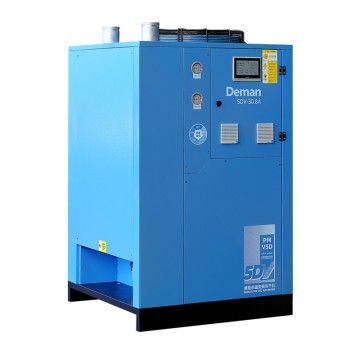
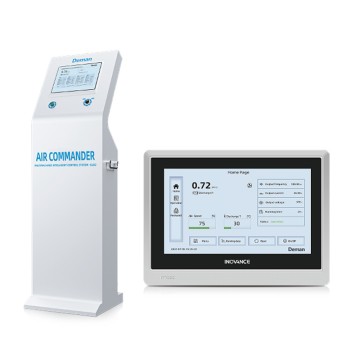
Applying "Three-Dimensional Customization"—tailoring pressure, flow volume, and air purity. Combining Deman intelligent air compressors, high-efficiency dryers, heat recovery exchangers, and the "Air Commander" control system lowers workshop energy consumption by up to 50% while elevating finishing quality.
Eliminating frictional resistance with dedicated installation of Deman energy-saving aluminum alloy and stainless-steel green air pipe networks. Our zero-leakage, laminar-flow pipe design guarantees minimal pressure drop across multi-bay repair facilities.
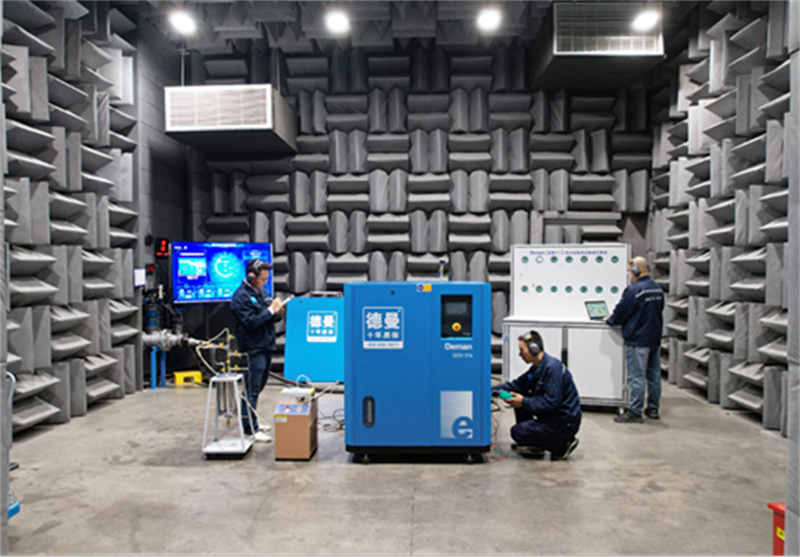
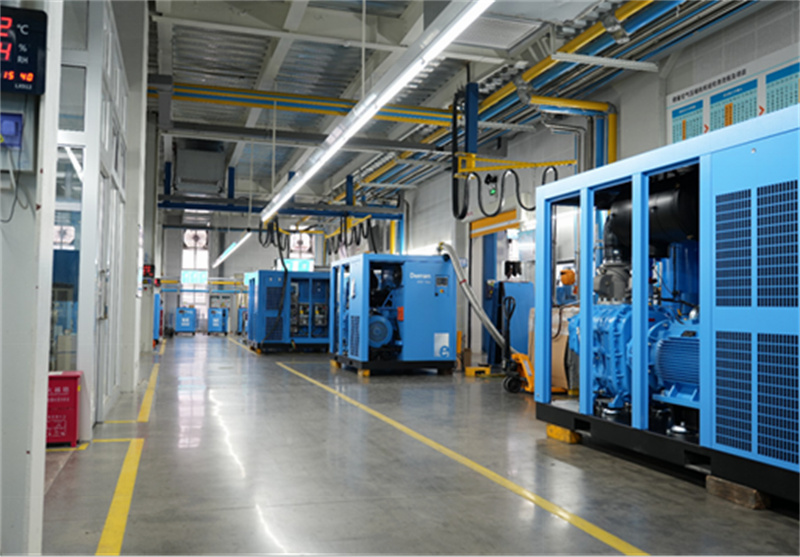
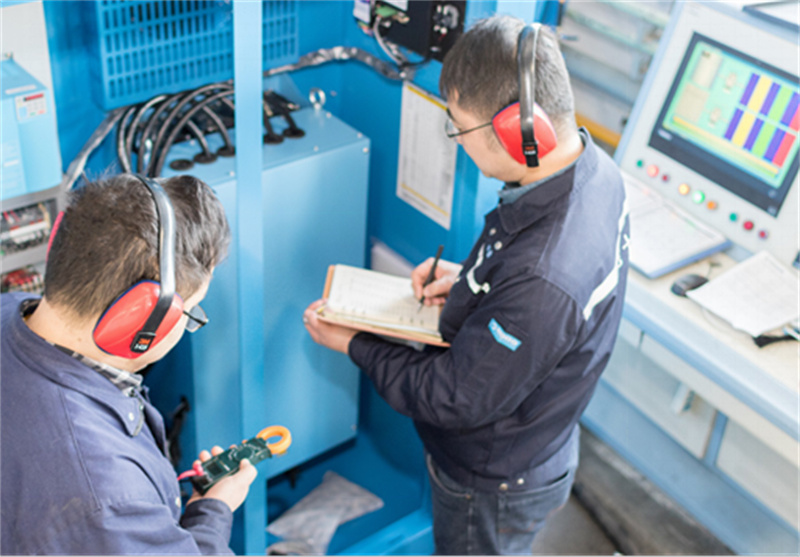
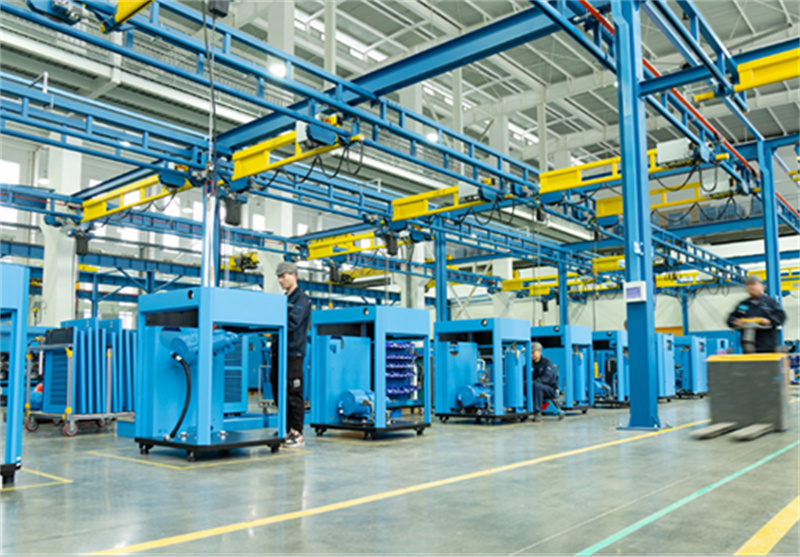
A transparent look inside our precision CNC workshops, advanced acoustic soundproof testing chambers, and rigorous ASME/ISA1932 quality validation labs in Ningbo.
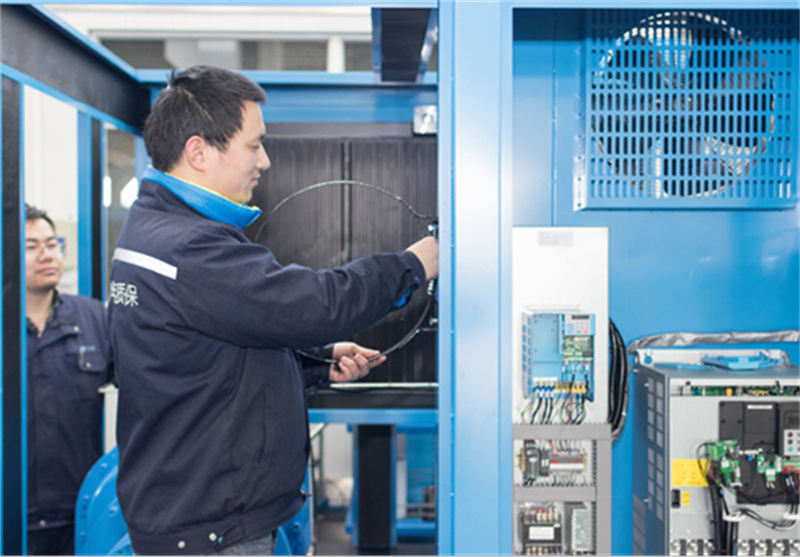
Key thermodynamic and operational criteria to ensure continuous workshop reliability and long-term energy savings.
Calculate the aggregate CFM (Cubic Feet per Minute) consumption of your workshop. A typical automotive spray gun consumes 10–18 CFM at 2.0–2.5 bar, while dual 1/2" impact wrenches require 15–20 CFM intermittently. Always factor a 25% safety overhead for future workshop bay expansion.
Standard mechanical shops can operate on basic moisture traps, but automotive body shops with paint booths require refrigerant dryers offering a pressure dew point of +3°C (+37.4°F) alongside 0.01-micron coalescing oil removal filters to satisfy ISO 8573-1 paint cleanliness specifications.
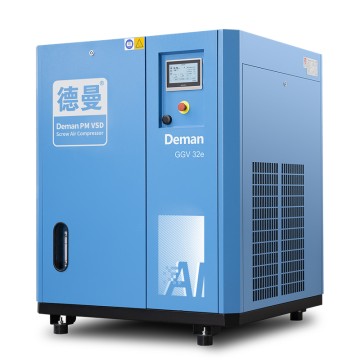
In urban dealerships or enclosed service shops, high acoustic noise impairs worker communication and safety. Deman's sound-dampened screw compressors, tested in our specialized Acoustic Laboratory, operate at whisper-quiet levels as low as 62–68 dB(A), allowing flexible installation adjacent to work bays.