Leave Your Message
0%

In today's industrial world, efficiency and reliability are pretty much essential for any business. That's why a lot of companies are turning to Screw Compressors. They’re known for performing really well, especially because they can easily handle different loads without breaking a sweat. Plus, their design helps save energy, which means lower operating costs overall.

One of the coolest things about screw compressors is how simple they are mechanically. With fewer moving parts, there’s less wear and tear, making them pretty reliable. But, heads up—regular maintenance is still super important. Doing routine checks can keep things running smoothly and help avoid costly breakdowns down the line. It’s definitely worth getting to know the ins and outs of this equipment.

Sometimes, industries overlook just how much advantage a screw compressor can bring. Missing out on those benefits can lead to inefficiencies over time. Luckily, companies like XYZ Compressors can offer expert advice to help you get the most out of your equipment. Finding that sweet spot between cost and quality really pays off in the long run.
Why Choose Screw Compressors for Your Industrial Needs?

Types of Screw Compressors and Their Applications

When exploring the types of screw compressors, two main variations stand out: oil-injected and oil-free models. Oil-injected screw compressors use lubricant for cooling and sealing. This leads to efficient operation in heavy-duty applications, like manufacturing and construction. However, they can introduce oil particles into the compressed air, which might not be suitable for sensitive processes. Industries requiring pure air often opt for oil-free compressors. They are essential in food processing and pharmaceutical manufacturing.

Each type has distinct applications requiring careful consideration. For instance, oil-free compressors deliver cleaner air at the cost of efficiency. They generally consume more power and may incur higher operational costs. On the other hand, oil-injected compressors provide energy efficiency and reliability, often at lower initial costs. Severe environments can challenge these systems. Maintenance becomes crucial to ensure longevity and performance.

Understanding these differences informs your decision-making. The right choice impacts productivity and the quality of the end product. It's essential to evaluate how each compressor aligns with your specific requirements. When considering Compressor Air Screw options, clarity on needs will guide your selection.

Advantages of Using Screw Compressors in Industry

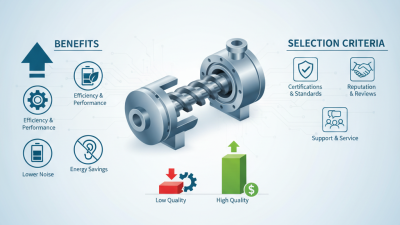
Screw compressors have become a preferred choice in various industrial applications due to their numerous advantages. One significant benefit is their efficiency. According to the Compressed Air and Gas Institute, screw compressors typically achieve energy savings of 10-15% compared to reciprocating compressors. This reduction in energy consumption translates directly to lower operational costs for companies.

Moreover, screw compressors are known for their durability and longevity. These machines often operate with fewer moving parts, which leads to reduced wear and tear. A report from the International Society of Automation indicates that properly maintained screw compressors can function effectively for over 15 years, minimizing downtime and maintenance costs. However, proper installation and routine maintenance still require attention, as neglect can lead to performance issues.

Noise levels are also a critical advantage. Screw compressors generally operate with lower noise emissions than other types. This aspect is essential in industries where maintaining a quieter environment is crucial. Despite this, many facilities overlook the necessity of adequate soundproofing solutions, leading to a suboptimal work environment. Addressing these details contributes significantly to employee comfort and productivity.

Comparative Analysis: Screw Compressors vs. Other Compressors

When evaluating screw compressors against other compressor types, it is crucial to consider efficiency. Screw Air Compressors often excel in continuous operation, providing consistent airflow. Traditional piston compressors face wear and tear with frequent cycling. They may struggle to maintain pressure during peak loads. This inconsistency can lead to production delays and increased operational costs.

The reliability of screw compressors makes them particularly appealing. They operate with fewer moving parts. This design reduces maintenance needs over time. In contrast, diaphragm and centrifugal compressors might require more frequent servicing. However, screw compressors need careful installation and skilled operators for optimal performance. If not properly managed, energy loss can occur.

Cost is another factor to weigh. While screw compressors may have a higher initial investment, their long-term savings often offset this. Maintenance costs can escalate for other compressor types due to their complexity. It's important to analyze specific plant needs before choosing a compressor. Each application has unique demands that can impact costs and efficiency.

Key Features to Consider When Selecting a Screw Compressor

When selecting a screw compressor for industrial needs, several key features must be considered. Efficiency is paramount. A high-efficiency model can reduce energy consumption significantly. Look for units with integrated heat recovery options. These systems can capture waste heat, converting it into usable energy. This feature is essential for minimizing operating costs.

Reliability is another important factor. A robust design can withstand tough conditions. Opt for compressors with durable components that require minimal maintenance. Regular checks can help identify issues early, preventing costly downtime. Ensure the compressor has a solid warranty. This can indicate the manufacturer's confidence in their product's reliability.

Noise levels often go overlooked. A quieter screw compressor can improve the work environment significantly. Consider models designed for low noise operation, especially if the compressor will be used in populated areas. Always consult with qualified professionals. They can offer insights based on your specific requirements. This ensures you make an informed choice, balancing quality and cost effectively.

Why Choose Screw Compressors for Your Industrial Needs? - Key Features to Consider When Selecting a Screw Compressor

Feature Description Benefits Considerations
Energy Efficiency Screw compressors typically offer higher efficiency than other types, reducing energy consumption. Lower operating costs and reduced carbon footprint. Initial investment may be higher, but savings can offset costs.
Continuous Operation Designed for continuous operation with minimal maintenance. Reduced downtime and increased productivity. Regular maintenance is still essential for optimal performance.
Compact Design Screw compressors are generally smaller and require less space than reciprocating compressors. Ideal for facilities with limited space. Ensure that the chosen unit fits existing space constraints.
Noise Levels Operate at lower noise levels compared to other compressors. Improves workplace comfort and reduces noise pollution. Consider sound-damping enclosures if required.
Variable Speed Drive (VSD) Many screw compressors come with VSD technology to adjust output based on demand. Enhances energy savings and extends the life of the compressor. Ensure compatibility with existing systems and applications.

Maintenance Practices for Optimal Screw Compressor Performance

Screw compressors are vital for many industrial applications. To ensure their long-term performance, proper maintenance is key. Neglecting routine checks can lead to inefficiency and costly repairs. Regularly monitoring oil levels and temperatures is a critical practice. This simple step helps prevent wear and tear.

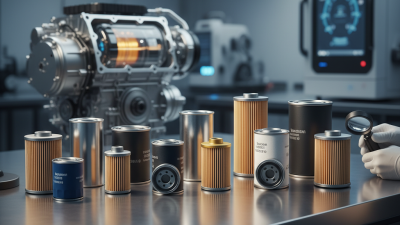
Tips for maintenance include checking for leaks frequently. Even small leaks can escalate into major issues. Keep an eye on your filters and replace them as needed. Clean filters allow for better airflow. Additionally, perform regular inspections on belts and hoses to prevent sudden failures.

Acknowledge that no system is perfect. Even the best-maintained Twin Screw Compressors may encounter problems. Be prepared for unexpected breakdowns. Keeping a maintenance log can help you track performance trends over time. Learn from past issues and adapt your practices accordingly to enhance reliability. Paying attention to details can save time and resources in the long run.

Energy Efficiency and Cost Savings with Screw Compressors

When it comes to industrial applications, screw compressors stand out for their energy efficiency and cost savings. One reason for this efficiency is their continuous operation mode. Unlike piston compressors, screw compressors work smoothly and steadily, reducing energy spikes during operation. This results in lower energy consumption over time, making them an excellent choice for businesses focused on minimizing operational costs.

Further, the maintenance costs associated with screw compressors are generally lower than those of traditional models. Their design features fewer moving parts, which translates to less wear and tear. However, users must remain vigilant. Neglecting regular maintenance can lead to inefficiencies and higher energy use. Ignoring symptoms such as unusual noises or changes in pressure can also result in costly repairs later on. Regular checks are not just recommended; they are critical for sustained performance.

Additionally, screw compressors often operate at lower noise levels, contributing to a better workplace environment. This can be a valuable factor in retaining employee satisfaction and productivity. Overall, while screw compressors offer numerous benefits, they require commitment and attention to maintenance for optimal effectiveness. Balancing efficiency with responsible upkeep is key to reaping the full advantages of these machines.

Future Trends in Screw Compressor Technology and Innovations

The rise of screw compressors in industrial applications is reshaping the landscape of manufacturing. Recent studies indicate that the screw compressor market is expected to reach $14.76 billion by 2026, driven by advancements in technology and increasing demand for energy efficiency. Innovations in materials have led to lighter and more durable components, improving performance and reducing maintenance costs. These developments enhance productivity but present new challenges for companies to adapt.

Future trends in screw compressor technology suggest a shift towards digitalization and smart technologies. Integrating IoT capabilities with Quad - Screw Compressors allows real-time monitoring of performance metrics. Data analytics plays a crucial role in predictive maintenance, minimizing downtime and avoiding costly repairs. Industry reports indicate that predictive maintenance can lead to a 25% reduction in operational costs. However, the implementation of these technologies requires a skillful workforce, raising questions about current training programs in the industry.

The adaptability of screw compressors makes them an attractive choice. However, energy consumption remains a concern, as inefficient models still linger. Addressing this issue is essential for sustainability. Manufacturers are starting to focus on designing more energy-efficient systems. Yet, it will take time for the industry to align fully with these goals. Striving for improved efficiency and reduced environmental impact is a constant journey in this evolving technological landscape.

FAQS

: What are the key advantages of screw compressors?

: Screw compressors provide consistent airflow and excellent efficiency in continuous operation. They require fewer moving parts, reducing maintenance needs.

Why do traditional piston compressors struggle?

Piston compressors face wear with frequent cycling and may not maintain pressure during peak loads, causing delays and higher costs.

How do installation and operation impact screw compressors?

Proper installation and skilled operation are vital for screw compressors. Poor management can lead to energy loss and reduced performance.

Are screw compressors cost-effective?

While screw compressors have a higher initial cost, they often offer long-term savings through lower maintenance and operational expenses.

What are the future trends in screw compressor technology?

Future trends include digitalization, IoT integration, and smart technologies to improve monitoring and predictive maintenance, enhancing productivity.

What challenges come with adopting new technologies for screw compressors?

Implementing advanced technologies requires skilled workers and may expose gaps in existing training programs, raising concerns about workforce readiness.

Why is energy consumption a concern for screw compressors?

Inefficient models of screw compressors exist, which can hinder sustainability efforts. Energy efficiency improvements are necessary for environmental impact.

How are materials influencing screw compressor performance?

Innovations in materials have made screw compressors lighter and more durable, improving their performance and reducing maintenance needs.

What role does data analytics play in compressor operations?

Data analytics facilitates predictive maintenance, which can reduce operational costs by up to 25%, minimizing downtime and costly repairs.

How will the industry evolve regarding screw compressors?

The industry will continuously strive for enhanced efficiency and sustainability, but aligning all manufacturers with these goals will take time.

Conclusion

Screw compressors are increasingly favored in industrial applications due to their efficiency and reliability. With various types available, these compressors serve a wide range of functions, from powering pneumatic tools to supporting HVAC systems. One of the primary advantages of screw compressors is their ability to operate continuously with minimal maintenance, which contrasts favorably with other compressor types. This efficiency translates into significant energy savings and reduced operational costs for businesses.

When selecting a screw compressor, key features such as performance specifications, energy efficiency, and ease of maintenance should be considered. As technology advances, innovations in screw compressor design are enhancing their capabilities, leading to even greater energy efficiency and lower lifecycle costs. Maintenance best practices are essential to ensure optimal performance and longevity of these machines, reinforcing their value in various industrial sectors. Overall, screw compressors stand out as a vital solution for modern industrial needs.
Charlotte

Charlotte

Charlotte is a dedicated marketing professional with a deep expertise in the air compressor industry. With a strong background in energy-saving initiatives, she plays a pivotal role in promoting innovative solutions that enhance efficiency and sustainability. Since joining the company, Charlotte......
Previous Centrifugal Compressors Buying Guide for Global Suppliers