When it comes to industrial machinery, the Magnetic Levitation Centrifugal Air Compressor really stands out thanks to its clever design and efficiency. This tech basically gets rid of friction, which means it’s more reliable and needs less maintenance—a pretty big deal, right? Big players like Atlas Copco and Siemens have been leading the way with models that are really changing the game in compressed air systems.
Picking the right Magnetic Levitation Centrifugal Air Compressor isn’t just a matter of whim. You’ve gotta think about performance, how much energy it uses, and how tough it is to keep running. It’s no secret that finding a trustworthy product can be a bit of a headache. That’s why reviews and expert advice are super helpful—they can really cut through the noise.
As we dive into the top five models, we’ll go over what makes each one special and where they shine. Of course, each has its good points and not-so-great ones, too. Doing a little homework on these options means you can make a smarter choice—especially if you’re looking to stay ahead with the latest in compressed air tech. The idea here is to give you a better grip on this pretty niche field, so you can make decisions with confidence.
Overview of Magnetic Levitation Technology in Air Compressors
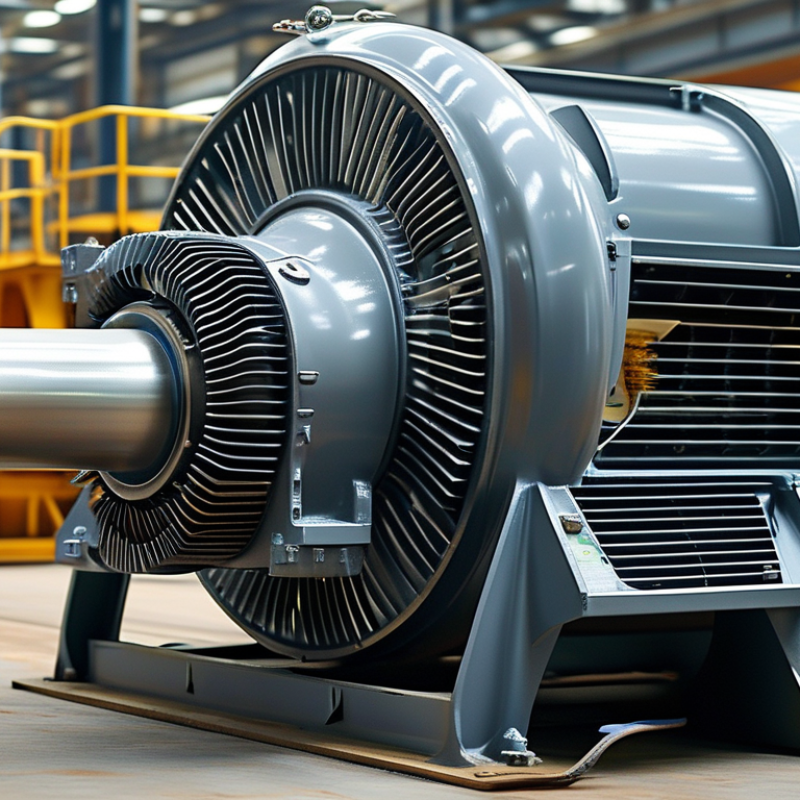
Magnetic levitation technology represents a groundbreaking advancement in air compressor design. This technology eliminates the need for traditional bearings, which often lead to friction and wear. By using magnetic forces, the
Magnetic Levitation Air Compressor
achieves smooth operation and improved efficiency. This innovation not only enhances performance but also extends the lifespan of the compressor.
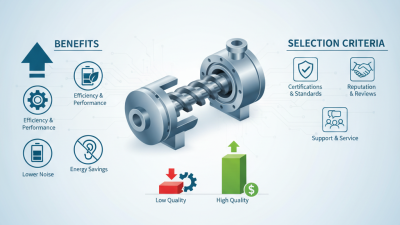
The key benefits of magnetic levitation lie in its energy efficiency and reduced noise levels. With fewer moving parts, this type of compressor operates quietly, making it ideal for environments where noise reduction is crucial. However, implementing magnetic levitation can present challenges. The initial cost may be higher compared to conventional models, and not all facilities are equipped with the necessary infrastructure.
While magnetic levitation is promising, it still requires careful consideration. Some users may face a learning curve in maintenance and operation. Understanding these aspects is essential for maximizing the benefits of a Magnetic Levitation Air Compressor. Users should weigh these factors against the long-term advantages. Balancing performance with cost and maintenance needs will help in making informed decisions.
Key Benefits of Magnetic Levitation in Centrifugal Compressors
Magnetic levitation technology brings several advantages to centrifugal air compressors. One of the primary benefits is reduced friction. Traditional compressors often rely on bearings that can wear down over time. In contrast, a Magnetic Suspension Centrifugal Air Compressor floats its rotor, minimizing contact and wear. This leads to longer operational lifespans and reduced maintenance costs.
Another significant benefit is energy efficiency. Magnetic levitation allows the components to spin faster and more smoothly. This efficiency can result in lower energy consumption compared to conventional models. Consequently, industries looking to optimize their operations find these compressors appealing. Less energy usage also means a reduced carbon footprint, making it a more environmentally friendly choice.
However, implementing magnetic levitation comes with challenges. The initial investment can be high. Additionally, there is a learning curve in terms of maintenance and operation. Some engineers report struggling with the technology's nuanced demands. It's essential to weigh these factors against the long-term benefits, showcasing the importance of informed decision-making in equipment selection.
Top 5 Magnetic Levitation Centrifugal Air Compressors in 2023
Magnetic levitation Centrifugal Air Compressors have gained popularity due to their innovative design and efficiency. In 2023, several models stand out for their performance and reliability. These compressors use magnetic bearings, significantly reducing friction and wear compared to traditional models. This leads to a longer lifespan and lower maintenance costs. The absence of physical contact allows for a smoother operation, which enhances overall energy efficiency.
One popular design incorporates an advanced cooling system to optimize performance. This feature ensures that the compressor remains operational in various environmental conditions. Users appreciate the real-time monitoring systems that offer performance feedback. However, some users report learning curves associated with the setup and maintenance of these advanced devices. These complexities can be daunting, especially for newcomers in the field.
While magnetic levitation technology promises several benefits, it is essential to approach it with some caution. Each model has its quirks and may not perfectly fit every application. It's crucial to evaluate the specific needs of your operation. Misjudging these needs could lead to inefficient performance or even system failures. Thus, thorough research and maybe consultation with experts can guide you toward selecting the right centrifugal air compressor for your unique requirements.
Technical Specifications and Performance Metrics of Each Model
Magnetic levitation centrifugal air compressors are at the forefront of technology. These models excel in efficiency and performance due to their innovative design. They utilize magnetic levitation to eliminate friction, which allows for quieter operation and reduced wear. This technology results in lower maintenance costs over time.
When examining the specifications, airflow capacity is a crucial metric. High-performing models frequently achieve impressive flow rates, often exceeding 500 cubic feet per minute. Power consumption varies, but many efficient models optimize energy usage without sacrificing performance. Noise levels generally measure under 70 dB, contributing to a quieter environment.
It’s essential to consider that while these compressors are technologically advanced, they may require specific conditions for optimal performance. Installation and environmental factors can impact efficiency. Some users report challenges related to integrating these systems into existing setups. Reflecting on these elements can enhance overall system performance and longevity.
Comparative Analysis of Efficiency and Energy Savings
When exploring magnetic levitation centrifugal air compressors, efficiency and energy savings are key. These compressors eliminate mechanical friction, offering enhanced performance. The absence of traditional bearings leads to reduced energy consumption. However, initial costs can be significant. It's vital to weigh these expenses against long-term savings.
Energy savings depend on operational conditions. Environments with consistent loads show greater benefits. Yet, varying demands can lessen efficiency gains. Users should analyze their specific applications and energy needs. This approach ensures that any investment delivers the promised value.
Comparative studies reveal varying performance metrics among models. Some achieve lower energy rates than others, but not all options excel under diverse operational scenarios. Reflecting on these details can guide better decision-making. Businesses must consider both immediate costs and future savings when evaluating potential models.
Market Trends and Future Innovations in Air Compressor Technologies
The air compressor market is evolving rapidly, and magnetic levitation technology is at the forefront. This innovative technology minimizes friction, leading to increased efficiency. Users can expect higher performance levels and reduced energy consumption. The integration of advanced sensors also allows for real-time monitoring of performance. Innovations in this area promise to further enhance reliability and reduce maintenance costs.
As industries seek greener solutions, air compressors are adapting. With a focus on sustainability, manufacturers are exploring eco-friendly materials and energy-efficient designs. The 6 Bar Centrifugal Air Compressor exemplifies this shift. By optimizing airflow and reducing operational noise, it offers a quieter working environment. However, the transition to newer technologies raises challenges. Companies need to invest in training and infrastructure to fully utilize these advancements.
Future innovations may also include digital interfaces for easier user interaction. Such developments could streamline operations and improve user experience. However, the market's pace raises questions about reliability. Will traditional systems become obsolete? Adapting to change is crucial for success in this dynamic landscape.
Top 5 Magnetic Levitation Centrifugal Air Compressor Models
User Reviews and Industry Expert Recommendations on Selected Models
Magnetic levitation centrifugal air compressors have gained traction in various industries due to their efficiency and reduced operational noise. User reviews often highlight their reliability and lower maintenance needs compared to traditional models. According to a recent industry report, these compressors can improve energy efficiency by up to 30% compared to standard alternatives. This statistic illustrates their potential for long-term cost savings.
Experts recommend looking for models with advanced control systems. A feature like variable speed control can optimize performance in fluctuating demand scenarios. Research indicates that compressors with enhanced controls can adjust their energy draw dynamically. This adaptability caters to real-time usage and efficiency requirements, which is critical for processes in production environments.
There are, however, challenges to consider. Some users report initial high setup costs as a barrier. This requires careful financial analysis, especially for smaller companies. Additionally, ensuring adequate training for operators is essential to reap the full benefits. The complexity of these systems may lead to mismanagement if staff are ill-prepared. It’s vital to balance technology adoption with operational readiness to avoid pitfalls.
Maximizing Operational Efficiency: Insights from the 2023 Global Air Compressor Market Report on China GGVe Series AI Air Compressors
The 2023 Global Air Compressor Market Report highlights the escalating importance of operational efficiency in industrial applications, particularly with the rising demand for smart and reliable equipment. In this context, the GGVe Series AI Air Compressors stand out as a remarkable solution, bridging the gap between advanced technology and operational demands. These compressors are designed to optimize both discharge pressure and flow rate, ensuring that users benefit from tailored performance that aligns with their specific industrial requirements.
Employing a dual-stage PM VSD quad-screw design, this flagship series emphasizes not only reliability but also enhanced efficiency. With AI-assisted functions, the compressors foster a safer working environment while dynamically adjusting to operational conditions. This blend of smart technology and engineering excellence not only improves productivity but also contributes significantly to energy savings. As companies strive to maximize their operational capabilities, integrating such intelligent solutions is paramount for sustaining competitive advantage in today's fast-paced market.
FAQS
: The main advantage is their efficiency and performance, thanks to innovative technology that eliminates friction.
They utilize magnetic levitation, which leads to less wear and quieter operation, resulting in lower maintenance needs.
Airflow capacity is crucial. Many high-performing models exceed 500 cubic feet per minute.
Power consumption varies, but efficient models optimize energy usage without compromising performance.
They generally operate under 70 dB, creating a quieter working environment.
Yes, installation and environmental factors can significantly impact their efficiency.
Users often experience difficulties when trying to fit these systems into existing setups.
Energy savings are influenced by operational conditions. Consistent loads provide better benefits than varying demands.
Initial costs can be high, so it's important to consider them against potential long-term savings.
Not all models excel under varying operational scenarios, so it's important to analyze specific applications.
Conclusion
The article provides a comprehensive overview of Magnetic Levitation Centrifugal Air Compressors, highlighting the innovative technology behind their operation. It explains how magnetic levitation enhances performance by reducing friction and wear, resulting in lower energy consumption and increased efficiency. The article also outlines the key benefits of this technology, such as improved reliability and quieter operation.
In 2023, five top models of Magnetic Levitation Centrifugal Air Compressors are analyzed, detailing their technical specifications and performance metrics. A comparative analysis underscores the substantial energy savings these compressors offer compared to traditional designs. Additionally, the article discusses current market trends and future innovations within the air compressor industry, supported by user reviews and recommendations from industry experts. This synthesis of insights serves as a valuable resource for those seeking to understand the advancements in compressor technologies.