Lately, there's been a real surge in demand worldwide for high-quality Fiber Air Filters. You know, as industries become more concerned about indoor air quality, finding dependable suppliers has become more important than ever. I remember Dr. Emily Chen, a real expert in air filtration tech, once said, "The efficiency of a Fiber Air Filter can seriously impact health outcomes." That just shows how crucial it is to pick the right supplier in this competitive market.
China, in particular, has really made a name for itself as a major producer of these filters. Companies like Camfil and Aaf International have earned quite the reputation for their innovative products. But, let's be honest, choosing a supplier isn’t always straightforward. A lot of buyers run into issues, like inconsistent quality or delays in delivery. So, it’s super important to look into how these suppliers have performed in the past — that usually gives a pretty good idea of what you’re in for.
When you’re shopping around, consider things like certifications, what kind of production capacity they have, and what other customers are saying. Honestly, the whole process can feel a bit overwhelming with all the uncertainties. But if you do your homework, it makes your purchasing experience way smoother. The key is to find a supplier that prioritizes both good quality and durability — that way, you get better performance and, ultimately, a healthier environment. With the right partner, quality really is within reach, and that peace of mind is worth its weight in gold.

Overview of China's Fiber Air Filter Industry
China's fiber air filter industry has seen impressive growth in recent years. The market was valued at approximately $1.5 billion in 2022, reflecting a compound annual growth rate (CAGR) of about 7%. This increase is driven by rising environmental concerns and stricter regulations on air quality. Manufacturers are continuously focused on innovation, aiming to enhance product performance and efficiency.
Many suppliers now prioritize the use of advanced materials in Fine Air Filter production. These materials help capture smaller particles, thereby improving air quality in various settings. A recent report highlighted that energy-efficient filters can reduce energy costs by up to 30%. However, the industry still faces challenges, such as sourcing high-quality raw materials at competitive prices.
In addition, the demand for fine air filters continues to expand across residential, commercial, and industrial sectors. As urbanization increases in China, so does the need for effective air purification solutions. Companies must adapt to changing market dynamics and consumer preferences to remain competitive. Despite these efforts, there is a constant need for improvement and reflection in production processes to ensure long-term sustainability.
Key Features of Fiber Air Filters
Fiber air filters have gained popularity for their efficiency and environmental benefits. These filters are crafted from various materials, which contributes to their effectiveness. They play a crucial role in air purification processes, especially in industrial settings. Fiber air filters effectively trap dust, pollen, and other airborne particles. This helps in reducing indoor air pollution.
Key features of fiber air filters include high filtration efficiency and durability. Their layered structure allows them to capture smaller particles without sacrificing airflow. They are often lightweight, making installation easier. While they generally perform well, some users report issues with clogging over time. Regular maintenance and timely replacements are crucial to maintain their effectiveness. An overlooked aspect is the impact of humidity, which can affect filter performance.
When considering applications, it's essential to choose the right type. For instance, using a fiber air filter is vital in HVAC systems. In comparison, a Compressor Air Filter serves a different purpose, focusing on air intake for machinery. Understanding these differences aids in selecting the right filter for specific needs. Each option has merits, but not every filter suits every situation.
Top China Best Fiber Air Filter Suppliers for Global Buyers
| Supplier Type |
Production Capacity (units/month) |
Key Features |
Certifications |
Export Markets |
| Manufacturer |
500,000 |
High efficiency, washable, customizable sizes |
ISO 9001, CE |
North America, Europe, Asia |
| Distributor |
200,000 |
HEPA filters, antimicrobial coating |
UL, RoHS |
Australia, Middle East |
| OEM Supplier |
300,000 |
Eco-friendly materials, variable efficiency ratings |
ISO 14001, TUV |
South America, Africa |
| Research Institution |
N/A |
Advanced filtration technology, testing services |
None |
Research Partnerships |
Criteria for Selecting Top Suppliers in China
When evaluating fiber air filter suppliers in China, buyers should focus on several key criteria. First, consider the suppliers' certifications. ISO 9001 certification indicates a commitment to quality management. A study by Research and Markets suggests that companies with certifications produce filters with better efficiency.
Next, examine the suppliers' production capabilities. Suppliers must demonstrate reliable manufacturing processes. The latest industry reports indicate an increasing demand for high-efficiency particulate air (HEPA) filters. Suppliers need technology and expertise to meet these demands.
Another crucial factor is supply chain stability. The recent global disruptions have highlighted the importance of strong logistics. Rapid delivery and consistent quality are essential for maintaining customer satisfaction. Despite these needs, some suppliers still struggle with managing timelines and inventory levels. A proactive approach is vital in this rapidly evolving market.
List of Leading Fiber Air Filter Suppliers in China
China has emerged as a leading supplier of fiber air filters, crucial for various industries. According to industry reports, the demand for air filtration systems is projected to grow significantly, with a Compound Annual Growth Rate (CAGR) of over 10% through 2025. This growth reflects a rising focus on air quality and environmental standards globally.
Many suppliers in China specialize in manufacturing high-quality fiber air filters that cater to diverse applications. When sourcing an Inlet Filter, buyers should consider factors such as efficiency, dust-holding capacity, and life span. Research shows that filters with superior fiberglass media outperform their counterparts. However, not all suppliers meet strict quality standards. Some may lack certifications or fail to provide reliable testing data.
Additionally, the competitive landscape in China’s filter industry has its challenges. Price sensitivity can lead to compromises in material quality. A thorough evaluation of suppliers' credentials is wise. It’s essential to assess their production processes and customer feedback. Making informed choices is crucial for ensuring the longevity and effectiveness of the filtration systems.
Top China Best Fiber Air Filter Suppliers for Global Buyers
Comparative Analysis of Supplier Offerings
When exploring the Chinese fiber air filter suppliers, it's essential to compare their offerings. Different companies provide various filter efficiencies, materials, and technologies. Fiber air filters are vital for maintaining clean air in various settings. Understanding supplier strengths can help global buyers make informed decisions.
One key factor is the manufacturing process. A detailed study reveals that production quality significantly affects filter performance. Buyers should evaluate certifications and manufacturing standards. Some suppliers may cut costs at the expense of quality. This may result in subpar Fine Oil Filters that do not meet industry standards.
Tips: Always request product samples. Testing the filters can reveal performance issues early. Stay cautious of suppliers promising too much without solid verification. Additionally, consider long-term support and service. Good after-sales service is crucial for maintaining filter systems. A reliable partner can offer valuable insights over time, ensuring that your air filtration solutions remain effective.
Global Market Trends in Fiber Air Filters
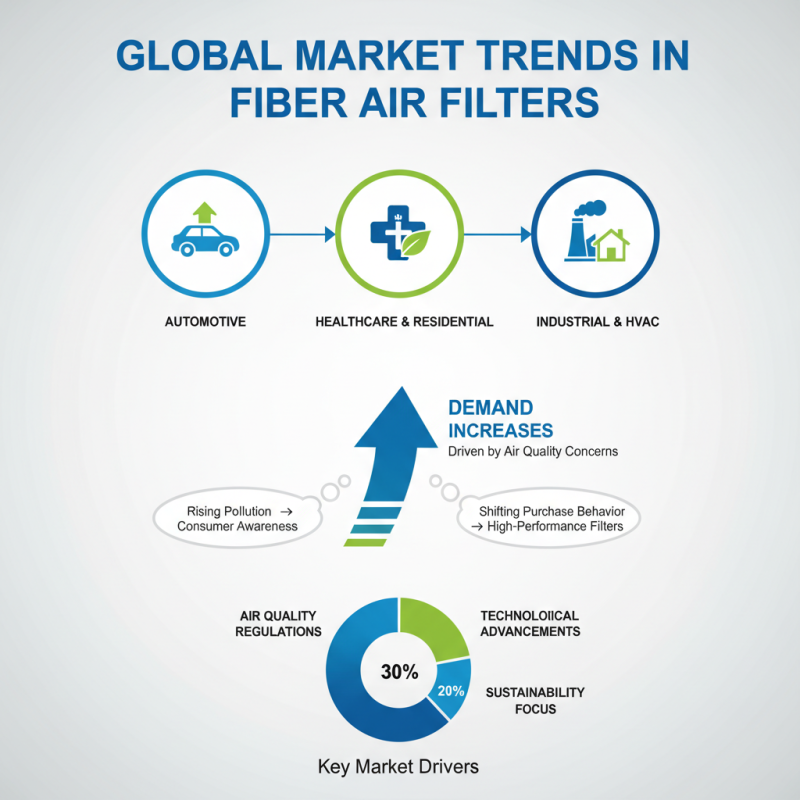
The global market for fiber air filters is rapidly evolving. Increasing air quality concerns drive demand across various sectors. Industries like automotive, healthcare, and residential spaces seek effective filtration solutions. As pollution levels rise, consumers are more aware of air quality. This awareness is changing purchasing behavior, emphasizing high-performance filters.
Emerging technologies enhance filter efficiency and lifespan. Many suppliers are investing in research and development to meet these expectations. Innovations focus on advanced materials and designs. However, challenges remain in balancing cost and efficiency. Some products may not deliver on promised performance, leading to skepticism among buyers. Manufacturers must address these issues to build trust.
Market trends indicate a shift towards sustainability. Eco-friendly materials are gaining traction in fiber air filters. Buyers increasingly prefer products that demonstrate environmental responsibility. Yet, the transition to sustainable practices can be challenging. Some suppliers may struggle to maintain quality while adopting green solutions. The landscape is complex, requiring careful consideration from all stakeholders.
Future Prospects for Chinese Fiber Air Filter Suppliers
The future of Chinese fiber air filter suppliers looks promising. With increasing global concerns about air quality, the demand for effective filtration systems is rising. China's manufacturing capabilities are robust, allowing suppliers to produce advanced filters at competitive prices. However, growth is not without challenges.
Many suppliers face stiff competition from international markets. Quality control is crucial, yet inconsistent practices can hinder reliability. Buyers must seek suppliers prioritizing transparency and proven expertise. As technologies evolve, innovative filtering solutions are emerging, but many companies may struggle to keep pace.
Sustainability is another factor influencing this market. Eco-friendly materials and processes are becoming essential. Some manufacturers are already exploring green alternatives, yet others need to catch up. The ability to adapt will determine the long-term viability of these suppliers in a rapidly changing market landscape.
Maximizing Efficiency and Reliability with ZVe Series Single-stage PM VSD Air Compressors in Modern Industries
The ZVe Series Single-stage PM VSD Air Compressor stands out as a game-changer in modern industries, especially for those seeking to maximize efficiency and reliability. With its advanced design featuring a high-efficiency permanent magnet motor and patented variable speed drive (VSD) control, this compressor ensures stable pressure and exceptional energy savings. This innovative approach not only enhances performance but also aligns with the growing demand for sustainable industrial solutions.
Tailored specifically for facilities with modest air requirements, the ZVe Series offers a cost-effective option with minimal upfront investment, making it an ideal choice for factories operating less than 2000 hours per year. Its single-stage twin-screw airend design provides consistent output, contributing to operational reliability. This compressor is engineered not only to meet current demands but also to adapt to the evolving energy landscape, ensuring that businesses can maintain productivity while managing operational costs efficiently.
FAQS
: The market was valued at around $1.5 billion in 2022.
Rising environmental concerns and stricter air quality regulations are key growth drivers.
They improve the capture of smaller particles, enhancing overall air quality.
They can lower energy costs by up to 30%.
Sourcing high-quality raw materials at competitive prices remains a significant challenge.
Demand is growing in residential, commercial, and industrial sectors.
Without it, filters may clog and lose effectiveness over time.
High humidity levels can negatively impact the performance of air filters.
It's vital to choose the right type for specific applications, like HVAC systems.
No, each type has merits, and not every filter suits every scenario.
Conclusion
The article "Top China Best Fiber Air Filter Suppliers for Global Buyers" provides a comprehensive overview of the fiber air filter industry in China. It highlights the key features of fiber air filters, such as their efficiency in removing pollutants and particulate matter from the air, which makes them essential for both industrial and residential applications. The article also sets forth criteria for selecting top suppliers, emphasizing the importance of quality, reliability, and innovation.
A detailed list of leading suppliers in China is provided, along with a comparative analysis of their offerings. Additionally, the article discusses global market trends influencing the fiber air filter sector and offers insights into the future prospects for Chinese suppliers in the international marketplace. Overall, it serves as a valuable resource for global buyers seeking trustworthy fiber air filter suppliers.