You know, in the world of industrial machinery, the Single-Stage Compressor really stands out thanks to its efficiency and how easy it is to operate. James Smith from AirTech Solutions puts it nicely—he says, "A single-stage compressor is pretty much a must-have for lots of small-scale jobs." That really highlights just how important this kind of compressor is in different industrial setups.
Many companies depend on the solid performance and reliability of these single-stage compressors. They come with a bunch of perks—like making operations smoother and cutting down on energy costs. For small to medium-sized businesses, those advantages can actually make a world of difference.
That said, it’s not all perfect—some folks might overlook the potential downsides. Maintenance, for example, can get tricky in more demanding environments. So, before jumping in and choosing a single-stage compressor, it’s super important to really assess what your needs are. Weighing both the pros and cons will help you make smarter decisions. Ultimately, finding that sweet spot between efficiency and practicality is what really makes a Single-Stage Compressor work well for you.
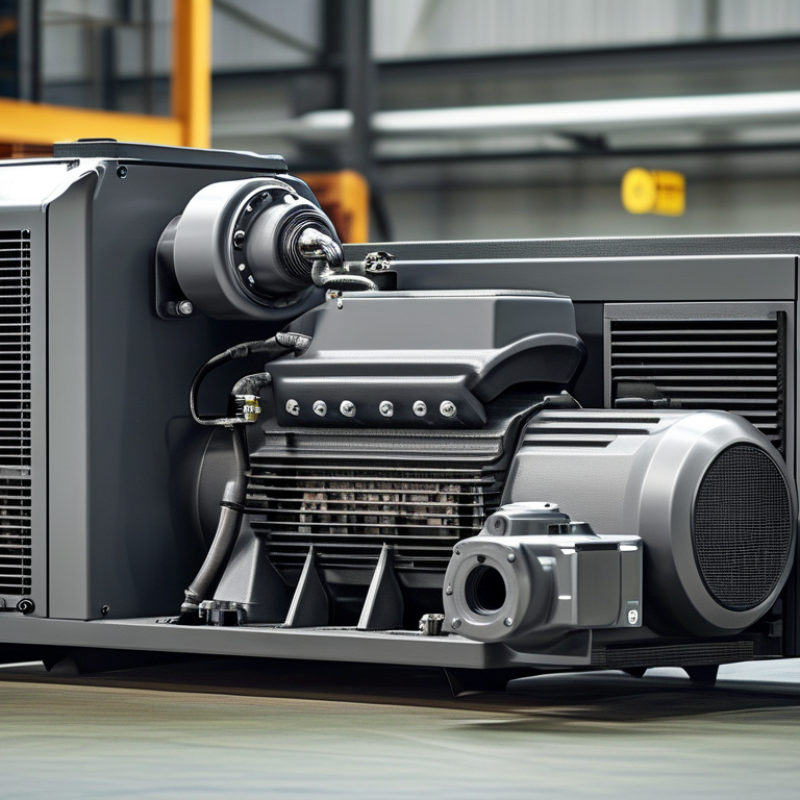
Understanding Single Stage Compressors and Their Application in Industry
Single stage compressors play a crucial role in a variety of industrial applications. They compress air in a single step, providing efficiency in smaller operations. With rising energy costs, these compressors offer a reliable solution for many industries. Data from the 2022 Compressor Market Report shows that around 30% of manufacturers have shifted to single stage systems due to their cost-effectiveness and low maintenance needs.
In sectors like food processing and automotive, Single Stage Air Compressors are essential for tasks like packaging, pneumatic tools, and spray painting. They deliver consistent performance, making them ideal for operations needing steady airflow. A well-maintained single stage air compressor can significantly reduce downtime and enhance productivity, which is vital in competitive industries. However, some users may overlook the importance of proper sizing and application, leading to inefficiencies.
Tip: Regularly check your compressor for wear and tear. Small issues can escalate into major problems if not addressed.
Another benefit is the ease of installation and operation. Many workers can quickly learn to operate single stage compressors, minimizing training time. Yet, operators should be cautious of overloading the system. This can lead to overheating and damage over time.
Tip: Ensure that air filters are clean and free from debris. This simple act can extend the life of your compressor and improve performance.
Efficiency of Single Stage Compressors Compared to Multi-Stage Models
Single-stage compressors are well-known for their efficiency. They operate by compressing air in a single cycle. This design often leads to lower energy consumption compared to multi-stage models. A single-stage compressor is especially beneficial for applications requiring quick, high-pressure air. It provides reliable performance in tasks such as powering pneumatic tools or inflating tires.
In contrast, multi-stage compressors can sometimes be more complicated. While they offer higher pressures, their efficiency can diminish due to increased energy loss. The added complexity often translates into higher maintenance costs. Users may find themselves contending with more components that require regular checks. This can challenge even the most seasoned technicians.
The simplicity of single-stage compressors stands out. They have fewer moving parts, which reduces the risk of failure. This reliability leads to lower downtime and maintenance. Moreover, operators can appreciate smooth operation over extended periods. The choice between single-stage and multi-stage models should depend on specific needs. Reflecting on these factors helps users make better decisions in compressor technology.
Top 10 Benefits of Using a Single Stage Compressor
Cost-Effectiveness Analysis of Single Stage Compressors in Manufacturing
Cost-effectiveness plays a crucial role when selecting equipment for manufacturing processes.
Single-stage compressors are often chosen for their efficiency. According to industry reports,
manufacturers save up to 30% in energy costs with
Single-Stage Air Compressors
compared to multi-stage units. This reduction is largely due to their simpler design, which requires less energy to operate.
In many applications, maintenance costs are also significantly lower with single-stage compressors.
They have fewer moving parts, leading to reduced wear and tear. This simplicity can decrease downtime,
allowing for more continuous production. A study by the Compressor Manufacturers Association found that
operational issues dropped by 25% with single-stage systems. However, it’s essential to analyze the specific
application needs since not every scenario is ideal for single-stage units.
When it comes to installation, single-stage air compressors require less space and are easier to set up.
This can result in additional savings on labor costs. Despite these benefits, some manufacturers may overlook
the limitations of single-stage designs, such as pressure limitations for certain applications. Balancing performance
and cost is crucial, and companies should assess the trade-offs involved. Further research and analysis can guide
manufacturers toward the most appropriate choice for their specific needs.
Noise Levels: How Single Stage Compressors Foster a Quieter Work Environment
Noise levels in workplaces significantly impact productivity and employee well-being. Single-stage compressors are designed with quieter operation in mind, making them ideal for various settings. Their streamlined design reduces vibration and noise transmission. This means that employees can focus better without constant high-decibel interruptions.
Consider a workshop where loud machinery often complicates communication among workers. The use of a Single-Stage Screw Air Compressor can help alleviate this issue. With noticeably lower operational noise, conversations become clearer. Additionally, the quiet operation enhances concentration. It's not just about volume reduction; it's also about creating a more pleasant work environment.
However, adopting such machines might require careful evaluation. Not all single-stage compressors perform equally well in noise control. Selecting one that genuinely meets low-noise standards is crucial. Some models may still produce unexpected sounds during peak operation or maintenance needs. Therefore, assessing reviews and expert insights can guide better choices and ensure reliability in quieter operations.
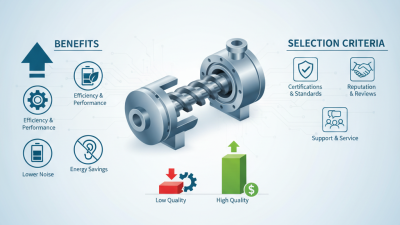
Top 10 Benefits of Using a Single Stage Compressor - Noise Levels: How Single Stage Compressors Foster a Quieter Work Environment
| Benefit |
Description |
Noise Level (dB) |
| Lower Operational Noise |
Single stage compressors typically operate at lower noise levels compared to multi-stage compressors. |
60 - 75 |
| Energy Efficiency |
These compressors consume less energy, reducing overall operational costs. |
N/A |
| Compact Design |
Smaller size makes them easier to install and transport. |
N/A |
| Less Maintenance Required |
Fewer components lead to lower maintenance needs and costs. |
N/A |
| Versatile Applications |
Can be used in a variety of industries including automotive, manufacturing, and construction. |
N/A |
| User-Friendly Operation |
Easier to operate with minimal training required. |
N/A |
| Eco-Friendly Options |
Some models are designed to be more environmentally friendly. |
N/A |
| Immediate Air Supply |
Provides a continuous air supply without waiting times. |
N/A |
| Consistent Performance |
Offers reliable performance across various temperatures and conditions. |
N/A |
| Affordable Pricing |
Generally more affordable than multi-stage compressors, making them accessible for small businesses. |
N/A |
Maintenance Requirements and Longevity of Single Stage Compressors
Single stage compressors are popular for their simplicity and efficiency. Their maintenance needs are relatively low compared to more complex systems. Regular inspections and prompt servicing can ensure their longevity. Typical maintenance tasks include checking for leaks, inspecting filters, and monitoring oil levels.
Tips: Always keep an eye on pressure settings. Incorrect settings can lead to unnecessary wear. Document maintenance activities to track trends and identify potential issues.
Even with their durability, failures can happen. Overheating is a common problem if the unit is overworked or if airflow is restricted. Using these compressors in a clean environment can significantly enhance their lifespan.
Tips: Schedule maintenance checks based on usage hours. This proactive approach can prevent unexpected downtimes. Familiarize yourself with the compressor's manual; it offers valuable maintenance guidance.
Energy Consumption Metrics: The Performance of Single Stage Compressors
Single stage compressors are gaining traction in various industries due to their energy efficiency. According to a report by the U.S. Department of Energy, these compressors can reduce energy consumption by as much as 15% compared to their multi-stage counterparts. This is significant for businesses aiming to lower operational costs. Improved efficiency leads to reduced greenhouse gas emissions. In an era of sustainability, this is a vital consideration for environmentally conscious organizations.
Moreover, their design allows for simpler maintenance. A study from the Compressor Engineering Corporation highlights that single stage models require fewer parts. This simplicity translates to lower chances of mechanical failure. Reduced downtime can lead to increased productivity on the production floor. However, not all applications benefit equally. High-demand settings may not achieve optimal performance with a single stage system. Careful evaluation of specific needs is essential for effectiveness.
Energy consumption metrics show that operational costs can vary greatly based on usage patterns. A recent analysis indicated that more than 25% of a facility's energy bill could be attributed to air compressors. Therefore, transitioning to a single stage compressor must be strategically planned. Understanding the metrics of energy usage is crucial. This ensures that the switch not only addresses efficiency but also aligns with broader energy goals.
Versatility of Single Stage Compressors Across Different Industries
Single stage compressors are versatile tools across various industries. Their design allows for efficient operation in manufacturing and automotive sectors. With fewer components, they offer easy maintenance. This reliability makes them a popular choice in workshops and factories.
Different industries utilize Single Stage Low Pressure Compressors for specific applications. In construction, they power pneumatic tools like hammers and drills. In food processing, they aid in packaging and food preservation. Their adaptability is notable, even in smaller businesses that need basic air supply for everyday tasks.
Some users find limitations in capacity and pressure. In high-demand situations, a single stage compressor might struggle. It's valuable to assess your needs carefully before choosing this type. Not every application will benefit equally from a single stage compressor, making it crucial to reflect on specific usage requirements.
FAQS
: Single-stage compressors can save manufacturers up to 30% in energy costs due to their efficient design.
They have fewer moving parts, which leads to lower maintenance costs and reduced downtime in production.
No, not every scenario is ideal for single-stage units. Specific application needs must be analyzed carefully.
Their streamlined design reduces vibration and noise, allowing for better concentration and communication among workers.
No, some models may still produce noise during peak operations. Evaluating reviews for noise performance is important.
They are used in manufacturing, automotive, construction, and food processing for various applications.
Yes, they may struggle with capacity and pressure in high-demand situations. Assessing your needs is crucial.
It's essential to find a unit that meets your specific performance and noise control requirements.
Their design requires less space and is easier to set up, potentially resulting in savings on labor costs.
Understanding trade-offs helps ensure you choose the most suitable compressor for your specific operational needs.
Conclusion
Single-Stage Compressors are increasingly recognized for their efficiency and versatility across various industrial applications. They provide a streamlined solution for many manufacturing needs, boasting lower energy consumption compared to multi-stage models. Moreover, their cost-effectiveness makes them an attractive choice for businesses looking to optimize operational expenses without compromising performance.
In addition to financial benefits, Single-Stage Compressors contribute to a quieter work environment, addressing noise level concerns that can impact employee comfort and productivity. With relatively low maintenance requirements and a long lifespan, these compressors offer reliable support for diverse applications. Overall, the adoption of Single-Stage Compressors not only enhances operational efficiency but also fosters a more sustainable and adaptable industrial landscape.