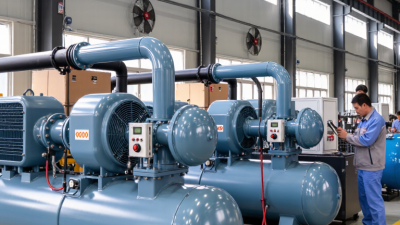
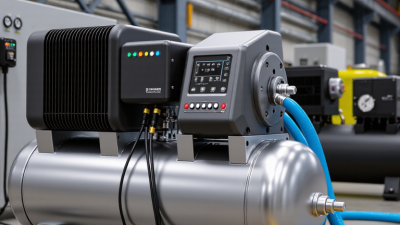
You know, China’s screw compressor scene has really come a long way—it’s not just about cheap production anymore. These days, they’re building compressors for all sorts of places: regular factories, small workshops, mining sites, hospitals, even fully automated assembly lines. And if you’re trying to figure out which manufacturers are actually worth your money, this guide breaks down the top 10 players based on real buying criteria, not just flashy marketing claims.
So when we're picking a supplier, we look at a bunch of stuff—product range, engineering know-how, air efficiency, how much experience they have in manufacturing, and of course, after-sales support. You've got companies like Kaishan, Hanbell, Fusheng, Denair, and Jintongling that are pretty well-known in the market. But honestly, depending on what you need and where you are, there might be other players worth checking out too. The thing is, a really solid supplier should give you more than just a flashy brochure—that's just the surface. You really want to make sure the specs are solid—clear technical data, actual tested performance, and you can actually get spare parts when you need them. Plus, you need responsive service, not just promises. And don't overlook the little things: pressure stability, motor efficiency, oil separation, noise levels, cooling design, and how the controller actually works. Honestly, those small details can make or break the whole experience.
Honestly, when you're picking a compressor, you've got to think about how it'll actually be used day-to-day. A 7.5 kW unit in a small workshop isn't going to face the same grind as a 250 kW beast running non-stop for industrial production. Things like the temperature where you install it, how often it runs, how clean you need the air, and whether you can easily get to it for maintenance—these can totally flip your choice. Sure, having certifications and factory audits gives you some peace of mind, but nothing beats seeing how the machine performs in the field. At the end of the day, no ranking is perfect, and you just have to go with what feels right for your situation. Look, product lines change all the time, and local service quality? That can be all over the place. Plus, some public data just isn't complete – we have to be honest about that. So when we put together this overview, we wanted to help you compare fairly, but also to nudge you to ask for the real numbers: performance records, energy calculations, warranty terms, and references from projects like yours. Because, honestly, reliability only shows itself over time. It's not something you can see on paper.
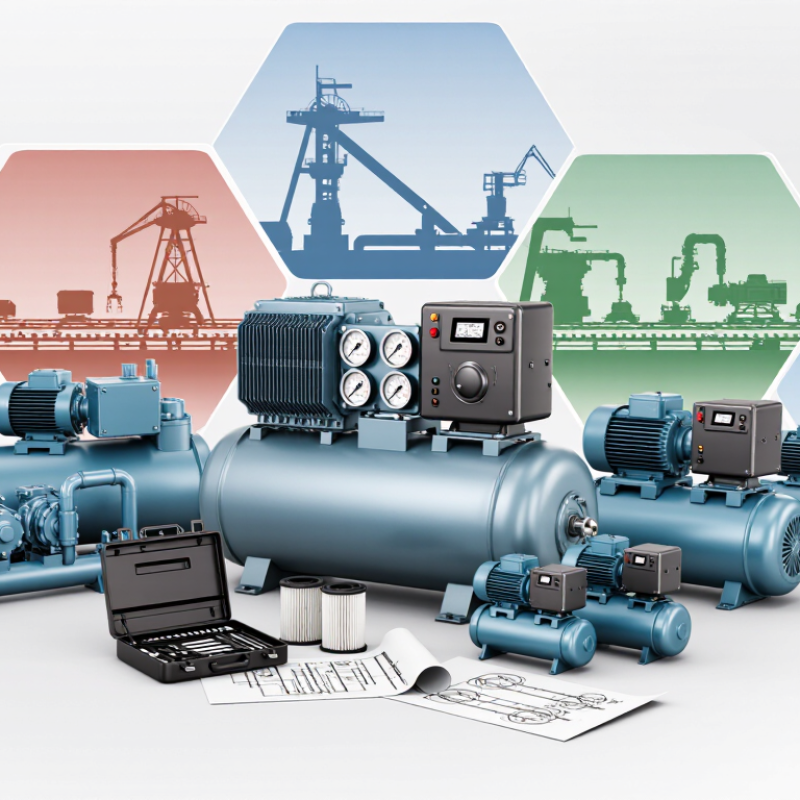
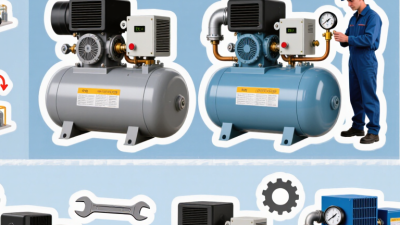
A screw compressor is a rotary positive-displacement machine that produces compressed air continuously. It uses two helical rotors inside a precisely machined housing. As the rotors turn, air enters through the inlet and moves along the rotor channels. The trapped space becomes smaller, increasing pressure before discharge.
Many industrial models inject oil during compression. The oil reduces friction, carries away heat, and improves sealing between the rotors. An oil separator then removes most oil from the compressed air. Oil-free designs use different cooling and sealing methods. They suit applications with strict air purity requirements. In workshops, screw compressors often power tools, packaging lines, and pneumatic controls. Their steady airflow feels smoother than the pulsing output of many piston compressors. Still, sound level, heat, and energy use need careful attention.
Tips: Check airflow demand, working pressure, duty cycle, and installation temperature before choosing a unit. Keep ventilation paths clear, especially in dusty rooms. Replace filters on schedule and inspect condensate drains regularly. A small pressure leak can waste significant energy over time. I have found that operators often focus on purchase price and overlook maintenance access. That choice can become expensive. Compressor sizing is not always perfect on the first attempt, so record actual demand and adjust operating settings when necessary.
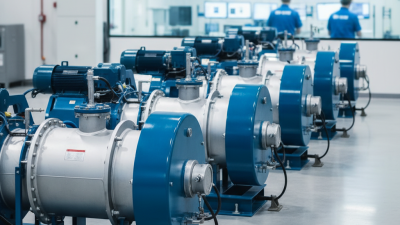
China’s screw compressor manufacturing industry has developed from basic assembly into a broader engineering ecosystem. Factories now commonly combine precision machining, motor integration, control systems, and performance testing. This progress supports sectors such as food processing, electronics, mining, and general manufacturing.
A reliable supplier should explain air delivery, pressure stability, energy use, and maintenance access clearly. Buyers searching for “Compressor Air Screw” equipment should inspect rotor machining, oil separation, cooling design, and factory testing records. Certifications matter, but they do not replace practical verification. Ask for operating data under realistic temperatures and load changes. Small details count. Poor ventilation can reduce efficiency and shorten service life.
Tips: Compare lifecycle cost, not only purchase price. Request test reports, spare-parts guidance, and technician training. Check whether the control panel is easy to understand during a fault. A confusing interface creates avoidable downtime. No factory is flawless. Even experienced manufacturers may improve documentation, noise control, or after-sales response. Buyers should record these weaknesses instead of accepting polished sales language. A site visit, sample inspection, and transparent technical discussion usually reveal more than a product brochure.
China’s screw compressor production covers several practical designs, not one standard machine. Oil-injected twin-screw compressors remain common for factories, workshops, and general plant air. An oil separator and cooler keep discharge air usable, while lower purchase costs support smaller projects. However, filtration and oil carryover deserve close inspection.
Oil-free screw compressors suit food processing, pharmaceuticals, electronics, and other sensitive applications. Their compression chambers avoid lubricating oil, but the machines usually require tighter temperature control. ISO 8573-1 helps buyers specify air purity instead of relying on vague “clean air” claims. Two-stage oil-free models can improve efficiency at higher pressures. The trade-off is clear: higher capital cost and more complex maintenance. Oil-free changes the decision.
Variable-speed drive models adjust motor speed as demand changes. This matters because the U.S. Department of Energy reports that compressed air can consume 10–30% of a plant’s electricity. Fixed-speed machines may still perform well under steady demand, but they can waste energy during unloading. Portable screw compressors, powered by diesel or electricity, serve construction and field service work. Single-screw designs also exist, though twin-screw units are more widely encountered in industrial supply chains.
A 2024 report from the International Energy Agency highlights continuing industrial efficiency pressure, especially as electrification expands. Buyers should compare specific power, measured in kW per m³/min, rather than headline horsepower. The label can mislead. Service access, ambient temperature, dryer selection, and verified noise data often decide the real operating cost. Some specifications look impressive until performance is tested at actual site conditions.
China’s leading screw compressor manufacturers serve factories, workshops, and infrastructure projects worldwide. Their strength often comes from broad production capacity, practical engineering, and competitive customization. Many produce oil-injected and oil-free models for different air quality requirements.
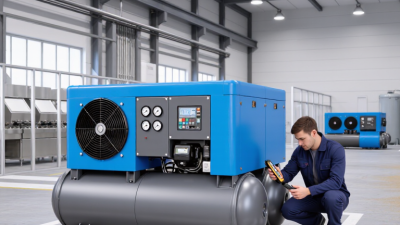
A reliable Screw Air Compressor should deliver stable pressure, efficient cooling, and manageable maintenance. During supplier evaluation, inspect the assembly floor, testing equipment, and quality records. Ask for measured data at specific operating conditions, not only catalogue promises. Check motor efficiency, air-end design, inverter response, noise levels, and separator service intervals. A detailed factory audit can reveal more than a polished sales presentation.
Experienced buyers also review installation support and spare-parts availability. A compressor may look efficient at 7 bar, yet perform differently in a hot, dusty workshop. Request performance tests using realistic ambient temperatures and duty cycles. Certification, traceable components, and documented inspection procedures strengthen supplier credibility. Still, no manufacturer is perfect. Some published efficiency figures need closer verification, and after-sales response can vary by region. That weakness deserves attention before signing a long-term supply agreement. Field feedback from comparable factories remains valuable, especially when energy costs and continuous operation affect the total ownership cost.
Comparing China’s top 10 screw compressor manufacturers requires more than checking horsepower or export volume. Start with application data: air demand, pressure, duty cycle, ambient temperature, and installation altitude. A plastic parts factory may need stable pressure during long shifts. A small workshop may value low purchase cost and simple maintenance. Ask each supplier for measured flow, specific power, noise, and pressure data under identical conditions. Numbers without test conditions can mislead. They often do.
Assess engineering depth through rotor design, motor efficiency, inverter control, cooling layout, and separator performance. For an oil-injected unit, inspect oil carryover limits and filter replacement intervals. For clean-air production, verify the oil-free design, treatment process, and independent test reports. A Twin Screw Compressor should receive a documented factory test before shipment. Request vibration readings, discharge temperature, and leak checks. Do not accept a polished brochure as technical evidence.
Service capability can separate similar Chinese brands. Check spare-parts stock, response time, technician training, warranty exclusions, and remote monitoring compatibility. Visit a production site if the order is important. Look for calibrated instruments, traceable assembly records, and pressure-testing areas. Speak with users operating similar machines, not only references selected by sales staff. Price matters, but compare total cost over five years, including electricity, oil, filters, downtime, and labor. My own comparison would leave room for doubt: claimed efficiency may change after installation, especially with poor piping or hot rooms. A pilot unit and independent acceptance test can expose that gap.
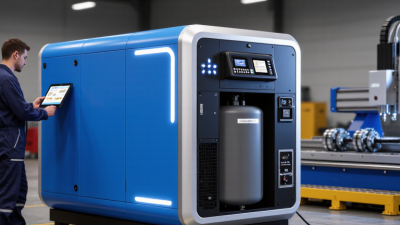
China-made screw compressors are serving more than general factory air lines. They power CNC tools, textile looms, packaging machines, and pneumatic conveyors. In food and pharmaceutical plants, oil-free models support clean-room air and product handling. Mining sites use rugged units for drilling and ventilation equipment. Wastewater facilities also depend on compressed air for biological treatment.
The U.S. Department of Energy reports that compressed air can consume about 10% of industrial electricity. Its compressed-air system guidance also identifies leaks as a frequent source of avoidable loss. A small leak can sound like a faint hiss beside a night-shift machine. It still wastes energy continuously. In electronics production, ISO 8573-1 air-quality classes help control particles, water, and oil. A Quad - Screw Compressor may suit high-demand systems requiring stable flow, but equipment selection needs measured data. Flow demand changes.
The International Energy Agency’s Energy Efficiency 2023 report places industry among the world’s largest energy-consuming sectors. This makes motor efficiency, pressure control, and heat recovery practical concerns. Chinese-made units are increasingly considered for factories, logistics centers, and infrastructure projects because configurations can match varied voltage and climate conditions. However, purchase price alone is a weak comparison. Service response, dryer compatibility, filtration, noise, and lifecycle electricity costs matter more than brochures suggest. Some installations still oversize compressors, which is an expensive and common mistake.
Common designs include oil-injected twin-screw, oil-free, variable-speed, fixed-speed, portable, and single-screw models. Twin-screw units remain widespread. They suit factories and workshops.
It works well for general plant air, pneumatic tools, and workshop equipment. An oil separator and cooler support usable discharge air. Check filtration carefully. Oil carryover still needs attention.
Oil-free models suit food processing, pharmaceuticals, electronics, and clean-room applications. Their compression chambers avoid lubricating oil. They usually need tighter temperature control and more careful maintenance.
Use ISO 8573-1 air-quality classes instead of vague “clean air” claims. Specify limits for particles, water, and oil. The required class should match the application.
They adjust motor speed when demand changes. This can reduce unloading losses. Fixed-speed units may perform well under steady demand. Do not assume variable speed always wins.
Compare specific power, measured in kW per m³/min. Review pressure, airflow, cooling, noise, and service intervals. Headline horsepower can mislead. Test real conditions.
Inspect the assembly area, testing equipment, and quality records. Request measured results at realistic temperatures and duty cycles. Check spare-parts access and regional service response.A long brochure is not proof.
They support CNC tools, textile machines, packaging lines, conveyors, mining equipment, and wastewater treatment. Portable models serve construction and field work. Applications vary greatly.
Oversizing a compressor can create expensive inefficiency. Leaks may produce a faint hiss near a night-shift machine. Dryer compatibility, filters, noise, and electricity costs also matter.A cheap purchase may age badly.
This guide explores China’s screw compressor manufacturing sector, beginning with an explanation of how a Screw Compressor uses rotating helical rotors to continuously compress air or gas. It reviews China’s expanding production capabilities, including engineering development, component manufacturing, quality management, customization, and export support. The article also introduces the main types made in China, such as oil-injected and oil-free models, as well as fixed-speed and variable-speed configurations designed for different operating requirements.
Readers will learn how to compare Chinese Screw Compressor suppliers by evaluating efficiency, pressure and flow capacity, noise levels, durability, maintenance needs, control systems, certifications, warranty terms, and after-sales service. The final section discusses common applications in manufacturing, food processing, pharmaceuticals, energy, construction, transportation, and general industrial facilities. Overall, the article provides a practical framework for understanding product choices and selecting equipment according to working conditions, budget, reliability expectations, and long-term operating costs.