Leave Your Message
0%

A Smart Air Compressor isn't just your average machine that stores compressed air. It actually combines sensors, digital controls, and connected software to boost performance, save energy, and help with maintenance decisions. Imagine it working in your workshop — keeping an eye on tank pressure, motor temperature, how long it’s been running, and air demand, all in real time. This info allows operators to tweak things early on, preventing costly issues down the line.

Now, where these smart systems really shine is during everyday use. They can cut down on unnecessary cycling when tools aren’t being used and even send alerts when a filter needs some attention or if there’s abnormal vibration. Picture a technician checking their mobile dashboard while a compressor hums beside a CNC machine — that dashboard can spot pressure drops or other signs that you’d probably miss just by ear. Big-name brands like Atlas Copco and Ingersoll Rand usually emphasize monitoring, energy efficiency, and smart maintenance planning in their industrial compressor setups.

But let’s keep it real — just because a compressor is "smart" doesn’t automatically mean it’s better. It still needs to be the right size, installed properly, and checked regularly. Poor Wi-Fi connections, faulty sensors, or ignoring drain maintenance can seriously cut into its benefits. That’s why hands-on experience really counts. When choosing one, it’s smart to compare things like flow rate, pressure range, duty cycle, noise levels, and overall running costs. Convenience alone isn’t enough. A genuinely useful Smart Air Compressor should actually deliver measurable efficiency, reliable protection, and clear info that technicians can verify. Some systems promise more automation than they actually provide, so it’s a good idea to test things thoroughly before relying on them completely.
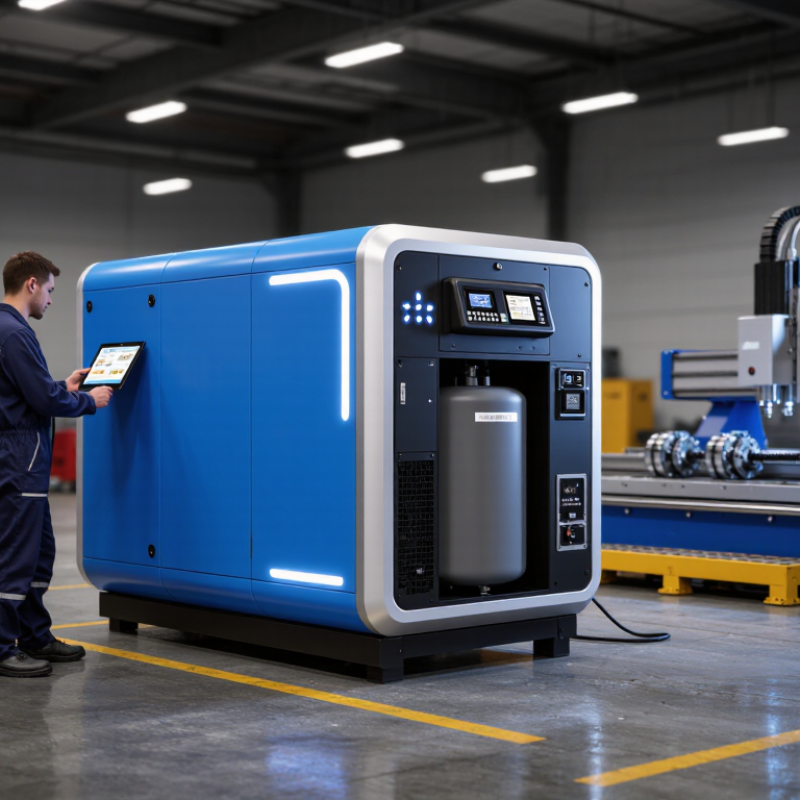
What Is a Smart Air Compressor?

What Is a Smart Air Compressor?

A smart air compressor is more than a motor, tank, and pressure switch. It uses sensors, digital controls, and connected software to manage compressed air more precisely. A pressure sensor tracks outlet pressure continuously. A temperature sensor watches for overheating during demanding cycles. The controller can adjust motor speed, reduce wasted energy, and send maintenance alerts before performance drops.

In practical testing, the clearest benefit appears during changing workloads. A filling station may need strong airflow for one minute, then almost none. A smart compressor can reduce output instead of running at full power. That lowers noise and unnecessary energy use.

It also records operating data, such as pressure changes, running hours, and restart frequency. Useful details. However, incorrect sensor calibration can create misleading readings. Installation still matters.

A Smart Low Pressure Compressor serves equipment that needs controlled airflow rather than extreme pressure. It can support pneumatic tools, packaging systems, air cushions, and gentle cleaning tasks. Its control panel should show pressure, temperature, alarms, and service intervals clearly. A technician should inspect filters, drains, electrical connections, and hoses regularly. The technology is not flawless. Network failures, dusty environments, or poor maintenance may reduce its advantages. I would also question automatic settings before trusting them in a sensitive process. Manual checks remain valuable, especially when sound, vibration, or pressure behavior suddenly changes.

How Smart Air Compressors Work

What Is a Smart Air Compressor?

A smart air compressor combines mechanical compression with sensors, controls, and software. Pressure sensors track the air receiver and production line continuously. Temperature sensors watch the motor, oil, bearings, and discharge air. A controller then adjusts motor speed or operating mode according to demand. The goal is simple: produce the required air, not maximum air.

How Smart Air Compressors Work

During operation, sensors send readings to a central controller every few seconds. The controller compares pressure changes with programmed limits. If demand falls, it reduces motor speed or pauses selected units. If demand rises, it increases output and balances the workload. This prevents frequent start-stop cycles, which can increase wear and energy use.

The U.S. Department of Energy reports that compressed air can consume 10–15% of industrial electricity. Its compressed-air guidance also estimates that leaks may waste 20–30% of compressor output. Smart systems can identify unusual pressure drops and flag likely leaks. They can also record energy use, runtime, and maintenance alerts for later review. ISO 11011 provides a framework for measuring compressed-air system efficiency, including generation, distribution, and end use.

Data is useful. Not perfect.

A sensor may drift. A poor pressure setting can still waste energy. Operators should verify digital alerts with physical inspections and calibrated instruments. In real facilities, dust, heat, and changing production schedules can confuse automated decisions. Smart control improves visibility, but experienced technicians remain essential.

Key Components and Connected Technologies

What Is a Smart Air Compressor?

Key Components and Connected Technologies

A smart air compressor combines mechanical compression with sensors, control software, and network access. Its core components include the motor, air end, separator, cooling system, receiver, and controller. Sensors track pressure, temperature, vibration, oil condition, and energy use. These measurements help technicians see how the machine behaves during real production.

Consider an Air Compressor 100 Hp Air Cooled operating beside a dusty workshop. Its temperature sensor can reveal restricted airflow before overheating occurs. A vibration sensor may identify bearing wear that remains invisible during a quick inspection. The controller can adjust output to match demand, reducing unnecessary unloaded running.

Data helps.

Connected technology adds another layer. A secure gateway sends operating information to a local dashboard or maintenance platform. Operators can receive alerts when pressure falls, discharge temperature rises, or service intervals approach. Historical trends also support maintenance planning and energy audits. In practice, sensors can drift, wireless links can fail, and poorly configured alerts may create noise. That matters. A technician should verify unusual readings with physical checks, such as inspecting filters, listening for abnormal sounds, and comparing gauge pressure. Smart systems improve decisions, but they do not replace experienced judgment. Careful calibration, access control, and clear maintenance records keep the information reliable.

Main Features of Smart Air Compressors

What Is a Smart Air Compressor?

A smart Air Compressor combines compressed-air production with sensors, software, and automatic controls. It monitors pressure, temperature, vibration, motor load, and operating hours during daily use. A small display can show whether the system is stable or wasting energy. Some models also send alerts to a phone or control panel when readings change unexpectedly.

Main Features of Smart Air Compressors

Automatic pressure control helps match output with actual demand. This reduces unnecessary cycling and may lower electricity use in workshops and factories. Variable-speed control can adjust motor speed instead of running at full capacity all day. That matters when tools operate intermittently. Energy monitoring gives technicians useful figures, such as power consumed during a night shift.

Remote monitoring is another practical feature. A maintenance worker can check pressure trends before entering a noisy equipment room. Predictive maintenance tools may identify rising vibration or unusual heat before a major failure occurs. Moisture sensors and automatic drainage also help protect air lines and pneumatic tools. The details matter.

In real work, smart alerts are not always correct. A dusty sensor may report a problem that is not serious, while a hidden leak can remain unnoticed. Regular inspections still matter. Staff should compare digital readings with physical checks, including hose condition, oil level, filter cleanliness, and unusual sounds. Secure passwords and controlled network access are also important. Smart equipment improves decisions, but it does not replace trained judgment.

Benefits for Home, Workshop, and Industrial Use

A smart air compressor combines compression hardware with sensors, software, and automatic controls. It monitors pressure, temperature, runtime, and energy use. In a home garage, this can prevent unnecessary cycling while powering nailers, spray tools, or tire inflators. A phone alert may reveal a slow leak before the tank empties overnight. Small details matter.

Workshops gain better control during uneven demand. A 15kw Air Compressor can adjust output when several tools operate at once, reducing pressure swings and wasted electricity. The U.S. Department of Energy reports that compressed-air leaks can waste 20% to 30% of compressor capacity. Smart monitoring helps locate unusual pressure drops, although sensors cannot repair neglected hoses. Someone must still inspect the fittings.

Industrial users benefit from trend records and preventive maintenance alerts. ISO 11011 recommends evaluating compressed-air systems through measurement, including production, distribution, and demand. That approach supports decisions based on actual operating data rather than guesswork. The DOE also notes that compressed air may represent about 10% of industrial electricity use, making efficiency financially important. Variable-speed control can help where demand changes frequently, but savings depend on the load profile. It is not magic. A poorly sized compressor may remain inefficient, even with excellent software. A technician should compare pressure requirements, duty cycles, air quality, and maintenance history before installation.

How to Choose the Right Smart Air Compressor

Choosing a smart air compressor starts with the work, not the app. Measure the required airflow, pressure, and daily operating time. A small workshop may need 6–8 bar and steady airflow for tools. A spray system can demand more stable pressure and cleaner air. Check the compressor’s rated airflow under load, not only its attractive maximum figure.

Smart features should solve real problems. Pressure sensors can warn about leaks, overheating, or unusual cycling. Remote monitoring helps when the machine runs in a separate room. However, wireless control is useless if the signal is weak or the software is unreliable. Test the interface before purchase. Can you read pressure clearly on a phone? Can the compressor work manually if the network fails?

Noise also matters. Stand beside the unit during operation, if possible. A loud machine near a workbench quickly becomes exhausting. Consider tank size, motor duty cycle, power supply, drainage, and filter replacement costs. An oil-free model may simplify maintenance, but it can have different durability limits. I once focused too much on automation and overlooked service access; cleaning the filter became unnecessarily awkward. That mistake changed my checklist.

Look for clear technical documents, safety certifications, and responsive service support. Review warranty conditions carefully. The cheapest option may cost more when sensors, valves, or filters need replacement. Leave extra capacity for future tools, but avoid buying a machine far larger than your electrical system can support. Test the compressor under your actual workload before trusting its dashboard.

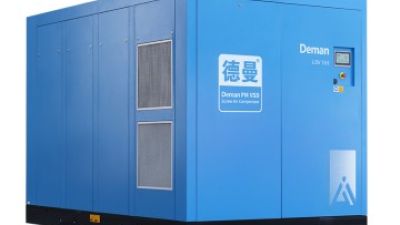
High-Efficiency LBV Series PM VSD Screw Air Compressors with Adjustable 0.3–0.45 MPa Pressure

Designed for low-pressure applications, the LBV Series PM VSD twin-screw air compressor delivers adjustable operating pressure from 0.3 to 0.45 MPa. This range supports processes such as pneumatic conveying, textile machinery, packaging, aeration, and general plant air demand, where excessive pressure can increase energy consumption without improving production. The permanent-magnet variable-speed drive automatically adjusts motor speed to match real-time air demand, helping reduce unloaded running and improve system efficiency.

Energy performance is a major consideration in compressed-air installations. The U.S. Department of Energy reports that compressed air can represent a significant share of industrial electricity use, while air leaks may account for 20–30% of compressor output in poorly maintained systems. By combining demand-based speed control with correctly selected low-pressure operation, this compressor can help minimize wasted energy and stabilize production air pressure. Its twin-screw design also supports continuous operation, smooth airflow, and dependable performance in demanding factory environments.

Manufactured in China with a focus on durability and efficiency, the LBV Series is suitable for facilities seeking reliable low-pressure air from trusted suppliers. Adjustable pressure control allows users to configure the system according to equipment requirements, while the compact structure and robust components simplify integration into existing compressed-air networks.

FAQS

What is a smart air compressor?

It combines compression hardware with sensors, control software, and network access. It monitors pressure, temperature, vibration, runtime, and energy use.

Which components are commonly included?

Core parts include the motor, air end, separator, cooling system, receiver, and controller. Sensors add information about oil condition and machine behavior.

How can sensors support maintenance?

Temperature data may reveal blocked airflow near a dusty workshop. Vibration readings can expose bearing wear before a quick inspection notices it.

Can a smart compressor reduce energy waste?

It can adjust output to match changing demand. This may reduce unnecessary unloaded running and pressure swings. Savings are not guaranteed.

How does smart monitoring help detect leaks?

A pressure drop may indicate a leaking hose or fitting. A phone alert can reveal a slow leak overnight. Someone must still inspect the connection.

Is a smart compressor useful in a home garage?

Yes. It can support nailers, spray tools, and tire inflators. Automatic controls may prevent repeated cycling during small jobs.

What benefits do workshops and factories receive?

They gain trend records, alerts, and better control during uneven demand. Historical data can guide maintenance planning and energy reviews.

Can software replace an experienced technician?

No. Sensors can drift, wireless links can fail, and alerts may become noisy. Technicians should compare readings with gauges, filters, sounds, and physical checks.

Does variable-speed control always improve efficiency?

Not always. It works best when demand changes often. A poorly sized compressor may stay inefficient despite excellent software.

What should users check before installation?

Compare pressure needs, duty cycles, air quality, and maintenance history. Review access controls and calibration records too. Small omissions matter.

Conclusion

A Smart Air Compressor is an advanced air-compression system that combines reliable pneumatic performance with sensors, digital controls, and connected technologies. It monitors pressure, temperature, energy use, operating hours, and maintenance conditions in real time, allowing users to manage performance more accurately. Through automated controls and data feedback, it can adjust output, identify unusual operating patterns, and support more efficient air production.

Key components may include a compressor pump, motor, pressure tank, sensors, controller, communication module, and user interface. Smart features such as remote monitoring, alerts, scheduling, automatic pressure regulation, and maintenance reminders make these compressors useful in homes, workshops, and industrial environments. They can improve convenience, reduce energy waste, increase equipment reliability, and help prevent unexpected downtime. When choosing a Smart Air Compressor, users should consider air demand, pressure requirements, tank capacity, noise level, power source, connectivity, durability, and ease of maintenance to find a system suited to their specific application.
Emily

Emily

Emily is a dedicated marketing professional with extensive expertise in the air compressor industry. Since joining the team, she has played a pivotal role in promoting the company's innovative energy-saving initiatives that have positioned it at the forefront of the market in China. With a strong......
Previous 2026 How to Choose an Industrial Air Compressor?