A screw compressor is pretty much an essential piece of kit used across tons of industries these days. Basically, it’s a clever machine that helps compress gases efficiently—kind of the backbone of many operations. If you get a handle on how it works, you can actually make things run smoother and more efficiently. So, here’s the deal: it has these two rotating helical screws that work together. This design isn’t just for show; it creates a continuous flow of gas, which means it’s pretty good at maximizing efficiency.
Brands like Atlas Copco swear by screw compressors—they’re a must-have for many systems. Not only do they cut down on energy bills, but they also help lower overall operational costs. That said, they’re not exactly the simplest machines to maintain. You’ll need to do regular check-ups and handle them with care, or performance can really take a dive, and that can lead to some pretty serious issues.
Getting under the hood of how a screw compressor works can really show you what it’s good at—and where it might fall short. While they offer some pretty big advantages, not fully understanding the mechanics might cause you to miss out on potential efficiencies. So, take some time to learn about this tech—it’ll pay off by making your operations more reliable and boosting productivity in the long run.
What is a Screw Compressor: An Overview of the Technology
A screw compressor is a popular choice for various industrial applications. It utilizes two interlocking helical rotors to compress air. This design creates a continuous flow of air, making it efficient and reliable. The simplicity of its construction leads to lower maintenance requirements. In many facilities, this technology is revered for its durability.
Understanding a screw compressor involves grasping its mechanics. As the rotors turn, they draw air into the chamber. The air gets trapped and compressed as the rotors turn closer together. This process results in constant pressure delivery. It’s essential to choose a model suited for your needs, as size and capacity impact performance. A poorly matched compressor can lead to inefficiencies that are costly over time.
While screw compressors are efficient, they are not without drawbacks. They can be noisy and require proper installation for optimal performance. Additionally, monitoring the operating conditions is crucial. Overheating or incorrect lubrication can lead to failures. It's vital for operators to stay vigilant and conduct regular inspections. Balancing efficiency and maintenance is key to maximizing the lifespan of your
Compressor Air Screw system.
The History and Evolution of Screw Compressors in Industrial Applications
Screw compressors have a rich history, dating back to the early 20th century. Initially designed for refrigeration, they transitioned into broader industrial applications over the years. Their unique design enables efficient gas compression, making them popular in factories and large-scale operations.
In the 1960s, the development of high-speed screw compressors marked a significant evolution. These machines offered greater reliability and improved energy efficiency. As industry demands grew, the Screw Air Compressor adapted, finding uses in various sectors, including automotive and food processing. However, not all advancements have been flawless. Early models often faced issues like noise and vibration, leading to further innovations.
Modern screw compressors are far more sophisticated. They incorporate advanced controls and monitoring systems, enhancing performance. Despite this, challenges remain. Some users still report inconsistent output and maintenance difficulties. Continuous improvement and user feedback are vital for the evolution of screw compressors in industrial applications.
How Screw Compressors Work: The Mechanics Behind Compression
Screw compressors are vital in various industrial applications. They operate using two interlocking rotors, known as a Twin Screw Compressor. This design allows for efficient compression of gases and improves overall energy consumption. Each rotor rotates in opposite directions, compressing air within a decreasing volume.
As the rotors turn, they create a vacuum that pulls in gas. The space between the rotors decreases as they rotate, causing gas compression. This process is continuous, unlike other compressors that cycle on and off. According to industry reports, screw compressors can achieve up to 90% efficiency in certain applications, making them a preferred choice for many industries.
Tips: Regular maintenance is crucial. Inspecting rotor wear can prevent costly replacements. Keep an eye on oil levels to ensure lubrication and cooling efficiency.
Compressors sometimes encounter issues, such as overheating or pressure drops. These problems may arise from improper installation or inadequate airflow. Addressing these concerns early can lead to better performance and prolonged equipment life. Understanding the mechanics of a Twin Screw Compressor allows operators to make informed decisions to optimize operations.
Key Components of Screw Compressors and Their Functions Explained
Screw compressors are vital in various industries. They provide compressed air or gas efficiently. Understanding their components helps in maintenance and operation.
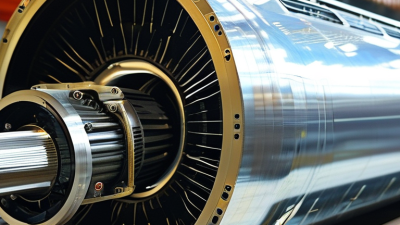
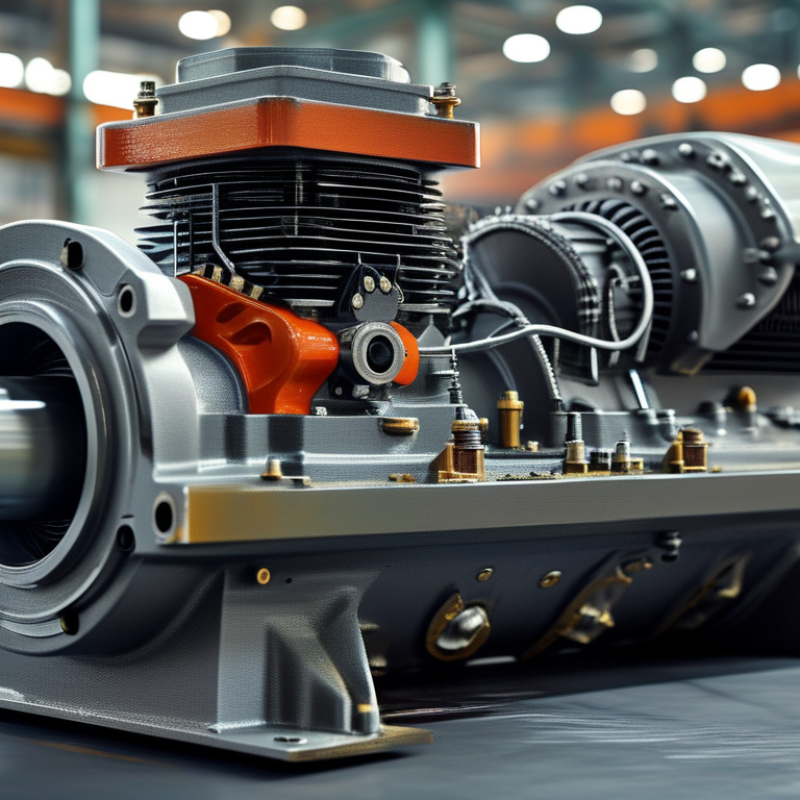
One key component is the rotors. Two helical rotors mesh together, compressing the air as they rotate. This design reduces pulsation, ensuring a steady airflow. Another critical part is the intercooler, which cools the air between compression stages. This prevents overheating and increases efficiency.
Tips: Regular maintenance is essential to keep the rotors in good condition. Listen for unusual noises during operation; they can indicate problems. Checking oil levels frequently can prevent component wear.
The oil separator is also crucial. It separates oil from the compressed air, ensuring clean output. The cooling system maintains optimal temperatures, preventing damage. Each part plays a vital role in performance, making it necessary to understand their functions.
Tips: Create a maintenance schedule. Inspect components regularly to prolong the compressor’s lifespan. Troubleshoot issues promptly to avoid costly repairs.
Applications of Screw Compressors in Various Industries and Sectors
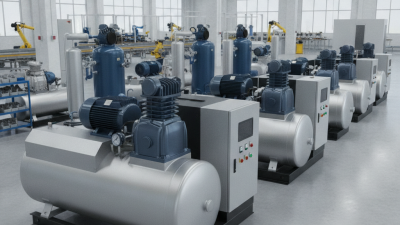
Screw compressors are widely used across various industries due to their efficiency and reliability. In manufacturing, they provide compressed air for pneumatic tools. Automotive sectors rely on these compressors for spray painting and assembly lines. The ability to maintain consistent pressure makes them ideal for these applications.
In the refrigeration industry, screw compressors play a crucial role. They efficiently circulate refrigerant in large HVAC systems. These systems require reliable performance to ensure optimal cooling. However, they can be costly to maintain, sometimes resulting in unexpected downtime. Operators must regularly check for issues to avoid costly repairs.
Food and beverage industries also benefit from screw compressors. They help in bottling processes and in the refrigeration of perishable goods. Maintaining air quality is crucial in these applications. However, not everyone understands the importance of regular maintenance. This oversight can lead to product spoilage or contamination. It’s vital for companies to prioritize the upkeep of their systems to ensure reliability and efficiency.
What is a Screw Compressor and How Does it Work?
| Dimension |
Data |
| Type of Compressor |
Screw Compressor |
| Working Principle |
Uses two rotating helical screws to compress air |
| Efficiency |
High efficiency at various flow rates |
| Typical Applications |
Manufacturing, Food Processing, Refrigeration |
| Advantages |
Compact design, Low maintenance, Continuous operation |
| Disadvantages |
Higher initial cost, Sensitive to contamination |
| Industry Sectors |
Automotive, Chemical, Pharmaceutical |
| Key Component |
Helical rotors |
| Operating Pressure Range |
Up to 30 bar |
Advantages of Screw Compressors Over Traditional Reciprocating Compressors
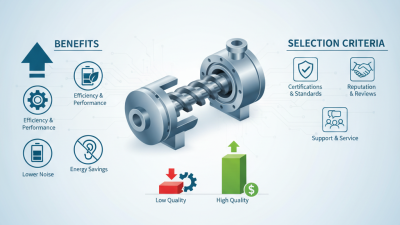
Screw compressors are revolutionizing the way we think about air compression. They operate using two interlocking helical rotors. This design allows for continuous operation and greater efficiency compared to traditional reciprocating compressors. The Quad - Screw Compressor exemplifies this technology. It is known for its ability to deliver high flow rates with minimal energy consumption.
One major advantage of screw compressors is their reduced noise levels. They operate more quietly, making them suitable for settings where noise is a concern. In contrast, reciprocating compressors can be loud and disruptive. Furthermore, screw compressors have fewer moving parts. This translates to less maintenance and longer operational life. Many industries are switching to screw technology due to these benefits.
While screw compressors are efficient, they can be more expensive upfront. This initial cost can deter some businesses. It's crucial to balance this against the long-term savings on energy and maintenance. Many companies find that the investment pays off over time. In the end, the decision requires careful consideration.
Performance Metrics: Efficiency Ratings and Energy Consumption of Screw Compressors
Screw compressors are essential in various industries for their efficiency and reliability. They handle gas compression through two helical rotors. This design allows for continuous operation, making them very effective. Performance metrics focus on efficiency ratings and energy consumption. Understanding these can help optimize operational costs.
When evaluating efficiency ratings, users often look at the compressor’s volumetric efficiency and specific power. Volumetric efficiency measures how effectively the compressor draws in gas. A higher rating indicates better performance. Specific power reflects the amount of energy required to compress gas. Lower specific power means reduced energy costs.
Energy consumption remains a critical factor for businesses. Modern screw compressors are designed to minimize energy wastage. Still, significant variations exist across models. Users need to assess their specific needs. Consideration of the application and environment can greatly improve efficiency. However, not all compressors live up to their claimed metrics. Regular maintenance and performance monitoring are necessary for sustained efficiency.
FAQS
: They were initially designed for refrigeration purposes.
High-speed screw compressors were developed, improving reliability and energy efficiency.
They are used in various sectors like automotive and food processing.
Early models had problems with noise and vibration during operation.
They use two interlocking rotors that rotate in opposite directions, compressing gas efficiently.
Regular maintenance prevents costly replacements and ensures optimal performance.
Users report issues like inconsistent output and maintenance difficulties.
Overheating may result from improper installation or inadequate airflow.
Understanding their mechanics allows for informed decisions and better performance.
They can achieve up to 90% efficiency in certain industrial applications.
Conclusion
A screw compressor is a type of positive displacement compressor that utilizes rotating helical screws to compress air or gas. The technology has evolved significantly, finding its place in various industrial applications since its inception. The mechanics behind screw compressors involve the continuous rotation of twin screws that trap air between them, gradually compressing it as it moves along the screws. This design leads to enhanced efficiency and performance.
Key components of screw compressors include the rotors, bearings, and cooling systems, each playing a vital role in the compression process. Screw compressors are widely used in industries such as manufacturing, refrigeration, and HVAC due to their energy efficiency, low maintenance needs, and reduced noise levels compared to traditional reciprocating compressors. Their advantages include higher efficiency ratings and lower energy consumption, making them a preferred choice for many industrial applications.