Leave Your Message
0%

As the demand for cooling around the world keeps climbing, making compressors more efficient has really become a top priority for engineers. The International Energy Agency has pointed out that space cooling could more than triple by 2050, and they also highlight how quickly cooling is becoming one of the biggest electricity users in buildings. Honestly, these stats make the Maglev Compressor more than just some niche mechanical gadget. It’s actually tackling a pretty practical problem: cutting down on friction, avoiding oil contamination, and reducing unnecessary power consumption.

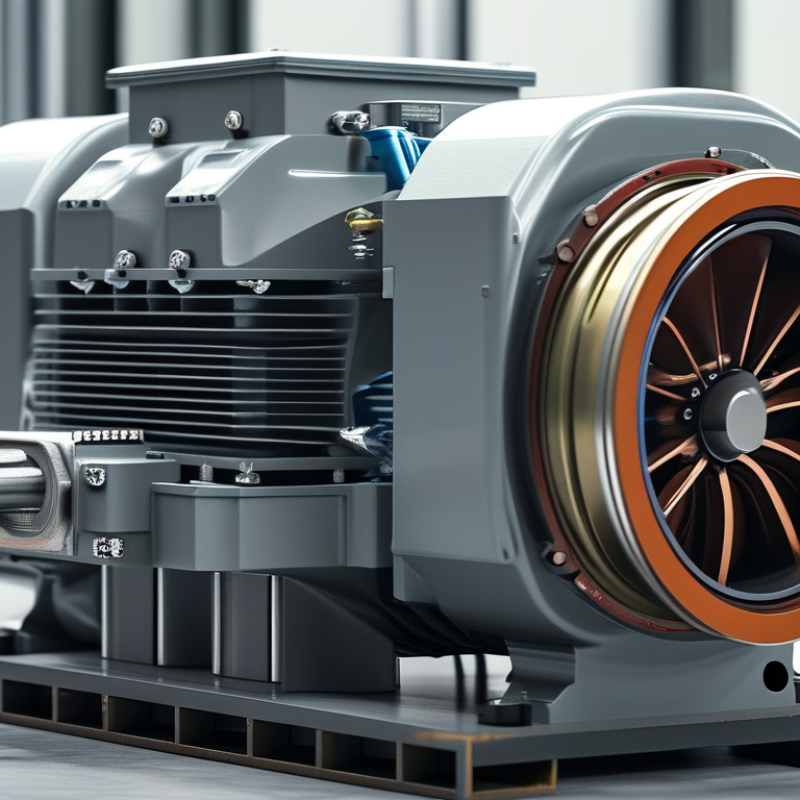
So, what’s a Maglev Compressor anyway? Well, it uses magnetic bearings to hold its rotating shaft in place without actually touching anything. It’s kinda like magic—permanent magnets and some smart electromagnetic controls keep the rotor centered, even at high speeds. Then, an electric motor kicks in to drive the impeller, which speeds up the refrigerant through this process called centrifugal compression. And here’s the cool part—because there’s no contact with regular bearings, the system doesn’t need lubricating oil inside the compression chamber. That’s a big deal! Going oil-free means your heat exchangers stay cleaner and there's less risk of maintenance headaches in the right kinds of setups.

According to the U.S. Department of Energy, heating, ventilation, and air conditioning actually make up a major chunk of energy use in buildings. And that’s where technology like Danfoss Turbocor’s oil-free centrifugal compressors come into play. These magnetic-bearing systems, once considered pretty much experimental, are now part of regular cooling equipment. But, let’s be real—just because something sounds promising doesn’t mean it always lives up to the hype. Actual savings depend on your specific load profile, how you control the system, the outside temperature, and how well you keep up with maintenance. This isn’t some magic fix. Sure, a Maglev Compressor can really boost efficiency across different loads, but it might also come with higher upfront costs and require more sophisticated electronic controls.

In this article, I’ll break down how the system works, point out where it really shines, and explain why looking at real-world data matters way more than just attractive specs. Industry reports can give you a good direction, but honestly, seeing what actually happens in the field is what counts most.
What Is a Maglev Compressor and How Does It Work?

Maglev Compressors Defined: Oil-Free Centrifugal Compression at 20,000–60,000 RPM

What Is a Maglev Compressor and How Does It Work?

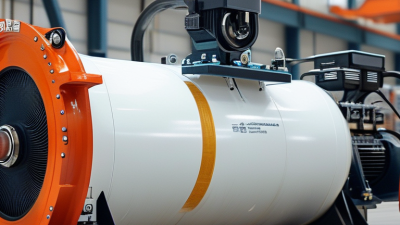
A Maglev Air Compressor uses magnetic bearings to suspend its shaft without physical contact. An electric motor spins the impeller at 20,000–60,000 RPM. The impeller accelerates incoming air through centrifugal force. Diffusers then convert that velocity into useful pressure. No lubricating oil enters the compression path. This design can protect sensitive processes from oil contamination and reduce mechanical friction.

Position sensors constantly measure shaft movement. A controller corrects the magnetic field within milliseconds. The motor drive also adjusts speed as demand changes. During low demand, the impeller slows down and saves power. During high demand, it accelerates smoothly. Operators should monitor discharge temperature, vibration data, and inlet filtration. Small errors can become expensive at high rotational speeds. Not silent. Proper acoustic planning still matters.

From a maintenance perspective, magnetic bearings remove many contact-wear parts. Technicians still inspect filters, cooling circuits, sensors, and electrical connections. Because no oil system is required, routine servicing may become simpler. I would not call it maintenance-free. Poor installation, unstable power, or dirty inlet air can reduce reliability. Commissioning should verify alignment, control settings, airflow, and safety shutdowns. The technology is impressive, but operating conditions decide its real performance.

Magnetic Bearings Explained: How Electromagnetic Forces Suspend the Shaft Without Oil

A Maglev Centrifugal Compressor uses electromagnetic forces to suspend its rotating shaft. Position sensors measure shaft movement thousands of times each second. A controller adjusts current through magnetic coils almost instantly. The resulting force keeps the shaft centered without oil-lubricated bearings. Think of an invisible cradle, not a physical support. When power is interrupted, backup touchdown bearings protect the rotor during stopping.

This architecture removes oil from the compression path. It can reduce contamination risks and bearing friction in continuous cooling service. However, oil-free does not mean maintenance-free. Sensors need calibration, control software needs verification, and filters still collect dust. Field technicians should inspect vibration trends, motor temperature, and starts per hour. The system is quiet, but control errors remain possible. That detail deserves attention.

The IEA’s 2018 The Future of Cooling report found cooling electricity demand had more than tripled since 1990. It projects demand could triple again by 2050 under stated policies. The U.S. Department of Energy’s Industrial Motor Systems Market Assessment estimated motor systems use roughly 69% of industrial electricity. These figures explain interest in efficient compressor designs. In practice, savings depend on lift, load profile, water temperature, and commissioning quality. A Maglev Centrifugal Compressor may perform poorly when controls are poorly tuned. Engineers should compare measured kW per ton, not catalog promises. Data logging reveals the real result.

The Compression Cycle: Impeller Speeds Above 30,000 RPM Raise Refrigerant Pressure

A maglev compressor uses magnetic bearings to suspend its rotating shaft without physical contact. Refrigerant enters the impeller eye at low pressure. The impeller then spins above 30,000 RPM, adding kinetic energy to the refrigerant. That speed matters.

Curved blades push the refrigerant outward, increasing its velocity. A diffuser slows the flow and converts velocity into static pressure. The compressed refrigerant then moves toward the condenser, where heat leaves the cycle.

This process resembles a high-speed Air Compressor, but it handles refrigerant inside a sealed cooling system.

The U.S. Department of Energy reports that compressed-air systems can consume 10% to 15% of industrial electricity. That figure explains why friction reduction deserves serious attention. Magnetic bearings remove much of the shaft contact loss and avoid conventional oil contamination. However, efficiency is not automatic. Poor control settings, unstable loads, or dirty heat exchangers can erase expected gains.

The International Energy Agency has reported that cooling uses roughly 10% of global electricity. Small improvements therefore carry wider significance.

In field operation, technicians should check vibration trends, discharge temperature, suction pressure, and motor speed. A clean graph often reveals trouble before a noisy machine does.

The boundary is less tidy than brochures suggest. Maglev systems still require precise controls, suitable refrigerant conditions, and disciplined maintenance. According to ASHRAE guidance on centrifugal compression, pressure rise depends on impeller design, refrigerant properties, and operating speed—not speed alone.

Digital Control Systems: Sensors Adjust Rotor Position Within Micrometer-Level Tolerances

A maglev compressor uses magnetic bearings to suspend its rotor without physical contact. The real intelligence sits in its digital control system. Position sensors scan the shaft thousands of times per second, detecting movement across several axes. The controller then adjusts magnetic force almost instantly, keeping the rotor centered within micrometer-level tolerances.

A practical example is a rotor moving slightly toward the motor housing during load changes. The sensor detects the shift before contact occurs. The controller corrects it by changing current in the bearing coils. Vibration, temperature, and speed data also guide these corrections. Very small errors matter. A dirty sensor or incorrect calibration can create unnecessary vibration and unstable operation. This is where engineering judgment still matters.

The U.S. Department of Energy reports that compressed air systems can consume about 10% of industrial electricity. Its compressed-air guidance also identifies leakage as a major avoidable loss. Digital monitoring helps operators detect these losses earlier, especially when pressure and power trends are reviewed together. Compared with a traditional Screw Compressor, a maglev design can reduce mechanical friction because the rotor does not require oil-lubricated contact bearings. However, efficiency depends on operating conditions, controls, and maintenance quality. The Carbon Trust has reported that compressed-air leaks may waste 20–30% of system output in poorly maintained facilities. That figure should not be treated as universal, but it shows why sensor data needs regular human review.

Efficiency and Capacity: Variable-Speed Drives Can Reduce Part-Load Energy Use by 30–50%

A maglev compressor uses magnetic bearings to suspend its rotating shaft without physical contact. The rotor floats inside the motor housing. This design removes much of the friction found in oil-lubricated bearings. It also avoids oil contamination in the refrigerant circuit. However, the strongest energy gains often appear during part-load operation. That is where variable-speed drives become important.

A fixed-speed compressor may cycle repeatedly when cooling demand changes. Each start consumes energy and adds mechanical stress. A variable-speed drive adjusts motor speed to match the actual load. At roughly 50% capacity, the compressor may use far less than half its full-load power. Depending on lift, controls, and system design, part-load savings can reach 30–50%. The number is possible, not guaranteed.

Small changes matter. A chilled-water plant with oversized pumps can waste the compressor’s savings. Incorrect pressure setpoints create another hidden penalty. During commissioning, engineers should record power, suction pressure, discharge pressure, water temperature, and operating speed. Comparing these readings across different loads reveals the real performance. A lower kilowatt reading alone can mislead if cooling capacity also falls. I would also question optimistic estimates that ignore hot outdoor conditions. Actual buildings rarely behave like laboratory models. Regular cleaning, sensor calibration, and control-tuning help preserve capacity while keeping variable-speed operation efficient.

Industrial Applications and Limits: HVAC, Data Centers, and Refrigeration Systems up to 1,500 Tons

A maglev compressor uses magnetic bearings to suspend its rotor, eliminating oil contact and mechanical friction. An electric motor then drives a high-speed impeller, while sensors adjust speed within milliseconds. This design supports efficient variable-speed operation, especially when cooling demand changes during the day.

In HVAC plants, oil-free centrifugal units can serve chilled-water systems from small commercial loads to roughly 1,500 tons, depending on lift, refrigerant, and configuration. At part load, magnetic bearings can reduce mechanical losses and simplify oil management. The U.S. Department of Energy reports that high-efficiency chillers may approach 0.49 kW per ton under favorable rating conditions. Field performance will differ.

Data centers are a strong application. The International Energy Agency estimates global data-center electricity use could reach 620–1,050 TWh by 2026. Cooling efficiency therefore affects both operating cost and grid demand. Maglev systems respond quickly to changing server loads, but they are not magic. High outdoor temperatures, low chilled-water temperatures, and poor condenser conditions can reduce efficiency.

Refrigeration systems face stricter limits. Low-temperature duty increases compression ratios and discharge temperatures, making compressor selection more difficult. Surge control also matters during rapidly changing loads. ASHRAE guidance stresses proper system design, controls, and maintenance rather than relying on equipment labels alone. Capacity claims near 1,500 tons should be verified against local climate, evaporator conditions, redundancy needs, and measured part-load data. A practical weakness remains: advanced controls can be misunderstood, and commissioning quality is often uneven.

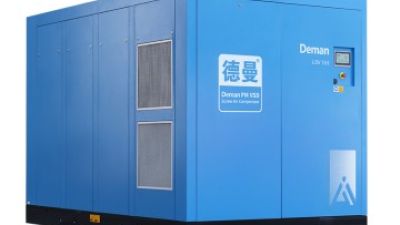
High-Efficiency LBV Series PM VSD Twin-Screw Air Compressors for Reliable Low-Pressure Applications

Designed for low-pressure applications, the LBV Series PM VSD twin-screw air compressor operates within an adjustable pressure range of 0.3–0.45 MPa. This configuration helps match air delivery to actual demand in industries such as textile processing, food packaging, electronics assembly, and general manufacturing. By combining permanent-magnet motor technology with variable-speed control, the system can reduce unnecessary unloaded operation and maintain stable pressure under changing workloads.

Energy efficiency is a major consideration in compressed-air systems. The U.S. Department of Energy reports that compressed air can account for a significant share of industrial electricity consumption, while system assessments often identify substantial savings through improved controls, reduced leakage, and optimized pressure management. Operating at the lowest practical pressure is also important: every unnecessary increase in discharge pressure can raise energy use, making a dedicated 0.3–0.45 MPa compressor a practical choice for low-pressure production lines.

Manufactured by an experienced China-based industrial compressor supplier, this twin-screw unit is engineered for dependable performance in demanding working environments. Its robust air-end design, intelligent PM VSD control, and carefully selected components support efficient continuous operation, stable airflow, and reduced maintenance requirements. Strict factory quality procedures help ensure consistent performance, long service life, and reliable compressed-air delivery for facilities seeking a cost-effective low-pressure solution.

FAQS

: How does a magnetic-bearing compressor increase refrigerant pressure?

: Refrigerant enters the impeller at low pressure. The impeller spins above 30,000 RPM. Curved blades push refrigerant outward at higher velocity. A diffuser converts that velocity into static pressure.

Why do magnetic bearings improve compressor efficiency?

Magnetic bearings suspend the rotating shaft without physical contact. This reduces mechanical friction and avoids oil entering the refrigerant circuit. However, efficiency is not automatic. Controls, heat exchangers, and operating conditions still matter.

Can variable-speed operation reduce energy use?

Yes, especially during part-load operation. Variable-speed drives match motor speed with cooling demand. Potential energy savings may reach 30–50%. That range is possible, not guaranteed.

What can reduce the expected energy savings?

Oversized pumps can waste compressor savings. Incorrect pressure settings create another hidden penalty. Dirty heat exchangers also reduce performance. Real buildings are messier than laboratory models.

Which measurements should technicians monitor?

Track vibration, discharge temperature, suction pressure, and motor speed. Also record power and water temperature. A clean trend graph may reveal problems early. Numbers can still mislead.

Where are these compressors commonly used?

They can support chilled-water HVAC systems, data centers, and refrigeration equipment. Some configurations may serve systems near 1,500 tons. Actual capacity depends on refrigerant, lift, and climate.

Why are data centers a suitable application?

Server loads can change quickly throughout the day. Magnetic-bearing compressors can adjust speed rapidly. Cooling efficiency affects operating costs and grid demand. High outdoor temperatures still reduce performance.

What limitations affect low-temperature refrigeration?

Low-temperature duty increases compression ratios and discharge temperatures. This makes compressor selection more difficult. Surge control becomes important during rapid load changes. I would verify every capacity claim.

Conclusion

A Maglev Compressor is an oil-free centrifugal compressor that uses magnetic bearings to suspend and rotate its shaft without physical contact. Operating at speeds ranging from approximately 20,000 to 60,000 RPM, its impeller rapidly accelerates refrigerant and converts that motion into higher pressure. Because no lubricating oil is required in the compression chamber, the system can provide clean operation, reduce mechanical friction, and support dependable performance.

Advanced digital controls continuously monitor shaft position, vibration, temperature, and operating conditions. Electromagnetic forces then adjust the rotor within micrometer-level tolerances, helping maintain stability at high speed. Variable-speed drives allow the compressor to match output to changing demand, potentially reducing part-load energy consumption by 30–50%. Maglev compressors are commonly used in large HVAC installations, data centers, and refrigeration systems, with capacities reaching up to about 1,500 tons. However, their sophisticated controls, installation requirements, and capacity limits must be considered when selecting them for an application.
Emily

Emily

Emily is a dedicated marketing professional with extensive expertise in the air compressor industry. Since joining the team, she has played a pivotal role in promoting the company's innovative energy-saving initiatives that have positioned it at the forefront of the market in China. With a strong......
Previous 2026 Best Air Pipeline Solutions for Global Buyers?