Leave Your Message
An Industrial Air Compressor isn't just some big machine churning out compressed air — it’s actually a vital power source. It pulls in the surrounding air, squeezes it tight, and then sends out a steady, controlled flow to machines all around the plant. You’ll find these running everything from pneumatic tools and robotic arms to packaging lines, spray systems, and automated valves. When electricity alone isn’t enough to get things moving, a consistent airflow keeps production on track.
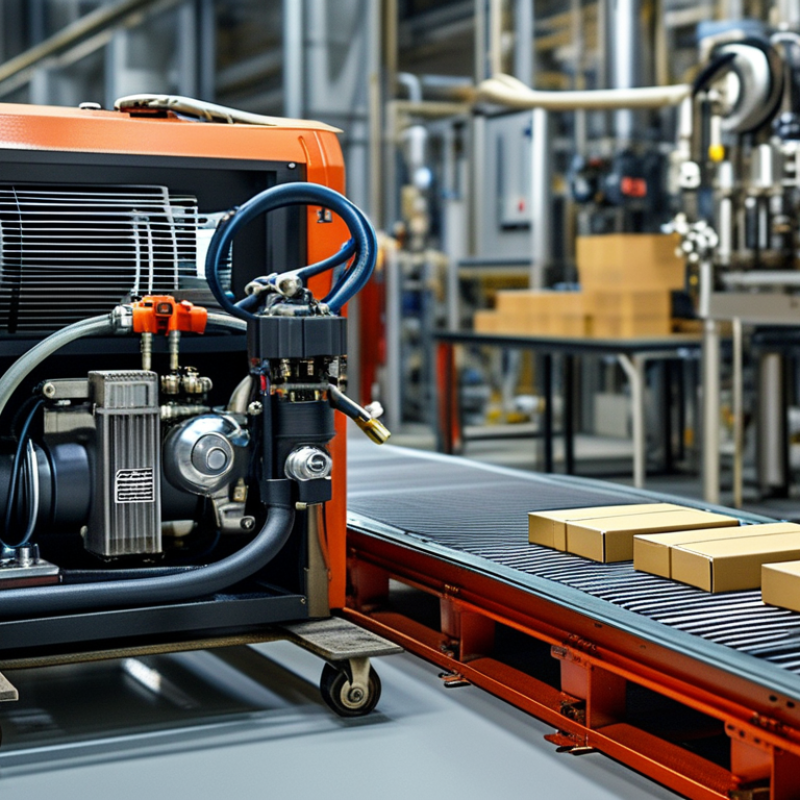
Take a walk through a busy factory floor, and you'll see how this all comes together. There’s usually a small air tool whipping off bolts near a conveyor belt, or a pneumatic cylinder nudging cartons into place. And don’t forget—clean, dry air is essential for protecting delicate instruments from moisture and oil. Different industries like food processing, car manufacturing, construction, mining, and chemicals all use compressed air in their own way. Each application needs the right balance of pressure, flow, air quality, and duty cycle. Just going by horsepower alone? That can end up being pretty costly and misleading.
Figuring out the perfect compressor isn’t just about reading the label on the side. You need to think about peak demand, how long you’ll run it each day, the ambient conditions, ventilation, noise levels, and how easy it is to access for maintenance. Rotary screw compressors are pretty popular for nonstop, heavy-duty work, while reciprocating types might be better suited for occasional tasks. But here’s the thing—there’s no one-size-fits-all rule. Sometimes you need oil-free air, advanced filters, or more flexible controls. An undersized unit may struggle and run non-stop, wasting energy. An oversized one? Well, that’s just throwing money away. And let’s be honest—things aren’t always neat and tidy. Good results come from carefully matching demand with the right specs, doing regular maintenance, and catching small issues like leaks or blocked filters before they become bigger problems. That’s why an Industrial Air Compressor remains such a crucial part of modern manufacturing — it’s about understanding the details, not just the specs, to keep everything running smoothly.
What Is an Industrial Air Compressor Used For?
Definition and Core Function of an Industrial Air Compressor
An industrial air compressor is a machine that converts mechanical energy into pressurized air. It draws in atmospheric air, compresses it, and stores or delivers it through a controlled system. This compressed air powers pneumatic tools, moves materials, operates valves, and supports automated production lines. Unlike a household compressor, an industrial unit is designed for continuous duty, stable pressure, and demanding environments.
Its core function is simple: provide a dependable energy source. In a factory, compressed air may drive a robotic gripper, spray coating equipment, or a clean-room actuator. Pressure commonly ranges from 6 to 10 bar, depending on the process. The U.S. Department of Energy reports that compressed air can represent 10% to 15% of industrial electricity use. That makes system design important. Small pressure losses can become expensive.
Leaks are easy to overlook. The same Department of Energy handbook estimates that poorly maintained systems may lose 20% to 30% of compressed air through leaks. A faint hiss near a fitting can run continuously, even during quiet shifts. ISO 11011 also emphasizes measuring system efficiency, demand, and leakage. A technically correct installation can still perform poorly. In practice, filters, drains, pipe sizing, and maintenance habits matter as much as compressor capacity. I have seen specifications look impressive, yet the air tools still respond slowly. The cause was not always the compressor.
| Dimension | Industrial Air Compressor Information | Typical Technical Details | Practical Importance |
|---|---|---|---|
| Definition | An industrial air compressor is a mechanical device that draws in atmospheric air, compresses it, and delivers pressurized air for industrial equipment and processes. | It normally uses an electric motor or engine to drive a compression element such as a screw, piston, centrifugal impeller, or scroll mechanism. | Compressed air can be distributed through a plant-wide piping network and used at multiple points of operation. |
| Core Function | Its core function is to convert mechanical energy into stored pneumatic energy by increasing the pressure of air. | Air is commonly stored in a receiver tank before being regulated and supplied to downstream equipment. | The stored energy provides a controllable power source for tools, actuators, valves, and production systems. |
| Manufacturing and Assembly | Compressed air powers pneumatic tools, automated machinery, clamping systems, lifting devices, and assembly equipment. | Common equipment includes impact wrenches, drills, grinders, riveting tools, and pneumatic screwdrivers. | Pneumatic systems are useful where compact, clean, and easily controlled motion is required. |
| Process Control | Industrial air compressors supply air to pneumatic control valves, cylinders, actuators, and instrumentation. | Instrument air usually requires filtration, drying, and pressure regulation to protect sensitive control components. | Stable air pressure helps maintain repeatable movement, flow control, and automated production cycles. |
| Material Handling | Compressed air supports conveying, sorting, gripping, lifting, and positioning operations. | Applications include air-operated vacuum lifters, pneumatic grippers, air slides, and conveying systems. | Air-powered handling equipment can reduce mechanical complexity and support frequent start-stop operation. |
| Cleaning and Blow-Off | Compressed air is used to remove dust, chips, moisture, and loose particles from machinery, workpieces, and production areas. | Blow-off pressure and flow must be selected carefully to control noise, energy use, and the risk of particle projection. | It provides fast, contact-free cleaning where brushes or manual wiping are unsuitable. |
| Spraying and Finishing | Compressed air atomizes liquids for spray painting, coating, lubrication, and surface treatment. | Air quality, pressure stability, and moisture control are important for consistent spray patterns and finish quality. | Clean and dry air helps reduce defects such as bubbling, uneven coating, and surface contamination. |
| Construction and Infrastructure | Portable and stationary compressors supply power for construction tools and maintenance equipment. | Typical tools include jackhammers, concrete breakers, rock drills, nail guns, and air-operated pumps. | Compressed air is practical at sites where electrical power may be limited or where robust tools are needed. |
| Mining and Quarrying | Compressors provide air for drilling, excavation support, pneumatic tools, ventilation-related equipment, and material handling. | Mining applications often require high flow rates, durable construction, and reliable operation in dusty environments. | Air power can operate equipment in demanding locations and may reduce the use of electrical tools in certain areas. |
| Food and Beverage Processing | Compressed air may contact products directly or indirectly during packaging, conveying, filling, and cleaning processes. | Oil-free or suitably treated air, together with filtration and drying, is selected when product contamination must be minimized. | Appropriate air treatment supports hygiene, product quality, and compliance with applicable production requirements. |
| Pharmaceutical and Medical Production | Compressed air is used for process control, packaging, tablet production, fluid handling, and clean manufacturing equipment. | Applications generally demand controlled pressure, low particle content, low moisture, and carefully managed oil contamination. | Consistent air quality is essential when compressed air can influence products, packaging, or controlled environments. |
| Energy and Utilities | Compressors supply service air, instrument air, control air, and equipment air in power generation and utility facilities. | Uses include valve actuation, equipment maintenance, pneumatic control systems, and general plant service tasks. | Separate air treatment and distribution systems can support different pressure and cleanliness requirements. |
| Common Compressor Types | Industrial systems commonly use reciprocating, rotary screw, rotary vane, scroll, and centrifugal compressors. | Reciprocating compressors suit intermittent or high-pressure duties; rotary screw compressors suit continuous industrial demand; centrifugal compressors suit high-flow applications. | The correct type depends on required pressure, flow, duty cycle, air quality, installation space, and operating cost. |
| Pressure Range | Industrial compressed-air systems are designed for different operating pressures according to the tools and processes being supplied. | Many general industrial systems operate around 7–10 bar(g), while specialized equipment may require higher or lower pressure. | Operating above the required pressure increases energy consumption and may accelerate equipment wear. |
| Capacity Measurement | Compressor capacity describes the volume of compressed air delivered over time. | Capacity is commonly expressed as cubic metres per minute, litres per second, or cubic feet per minute, with the measurement basis clearly specified. | Correct capacity selection prevents pressure drops, unstable operation, and excessive compressor cycling. |
| Air Treatment | After compression, air may pass through separators, filters, dryers, drains, regulators, and storage equipment. | Typical treatment targets include liquid water, water vapour, oil aerosols, solid particles, and unwanted odours. | Proper treatment protects pneumatic equipment, improves product quality, and reduces corrosion in the distribution system. |
| Energy Consideration | Compressing air requires significant electrical or mechanical energy, making efficiency a major operating concern. | Energy use is affected by leakage, pressure settings, compressor loading, inlet conditions, maintenance, and demand variation. | Leak detection, correct sizing, variable-speed control, and regular maintenance can reduce unnecessary energy consumption. |
| Safety Function | Industrial compressors support equipment designed to operate without direct electrical power at the point of use. | Safe systems require correctly rated tanks, pressure relief devices, isolation valves, drainage, guarding, and scheduled inspections. | Proper installation and maintenance help control risks from stored energy, excessive pressure, noise, heat, and moving components. |
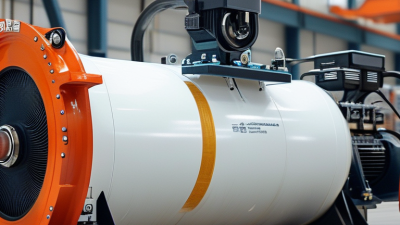
High-efficiency AI air compressors are transforming industrial compressed-air systems through advanced quad-screw technology. A dual-stage permanent-magnet variable-speed design can provide stable output while adjusting motor speed to match changing demand, helping reduce unnecessary energy consumption. The quad-screw configuration supports smooth compression, balanced operation, and dependable performance in demanding production environments. Tailored discharge pressure and optimized Free Air Delivery (FAD) allow users to select performance parameters that better fit their machinery and workflow.
AI-assisted functions add another layer of operational intelligence. Smart monitoring can identify abnormal temperature, pressure, vibration, or loading conditions at an early stage, supporting preventive maintenance and improved safety. For factories, this means fewer interruptions, more predictable operating costs, and easier equipment management. A high-quality China-manufactured solution may also offer flexible configuration, professional technical support, and streamlined supply arrangements for global industrial users.
Before purchasing, compare the required pressure range, FAD, motor efficiency, control functions, installation conditions, noise level, maintenance access, and after-sales service. Buyers should also confirm whether the compressor supports remote monitoring, multi-unit control, and customized settings for seasonal or fluctuating demand. Assessing total lifecycle cost, rather than only the initial price, can help identify a reliable solution for long-term production needs.
: It powers pneumatic tools, packaging machines, conveyors, robotic actuators, and production controls. Small tasks matter too.
Factories, workshops, food facilities, laboratories, textile plants, and wastewater sites use compressed air. Needs differ greatly.
It supports high-airflow tasks requiring modest pressure, including aeration and material transport. Pressure must match the process.
Compressed-air systems may consume 10–15% of a plant’s electricity. Leaks can waste 20–30% of output.
Inspect hoses, couplings, drains, and machine guards during production hours. Listen for a constant hiss.
Rotary screw compressors provide steady airflow for factories, packaging lines, and pneumatic tools. They are not perfect everywhere.
Reciprocating compressors suit workshops and tasks needing intermittent airflow and strong pressure. They may create noise and vibration.
Moisture can damage tools, products, filters, and sensitive equipment. A refrigerated dryer may help.
Match capacity to peak airflow, pressure losses, duty cycles, and operating conditions. Average demand can mislead.
Check filters, belts, seals, drains, valves, ventilation, and receiver-tank settings regularly. Record pressure, flow, moisture, and electricity together.
An Industrial Air Compressor is a machine that converts mechanical energy into pressurized air for use in demanding work environments. It draws in atmospheric air, compresses it by reducing its volume, and delivers the stored air through a controlled distribution system. Depending on the design, compressed air may be held in a storage tank to balance supply and demand, reduce pressure fluctuations, and improve operating efficiency.
Industrial air compressors are widely used in manufacturing, construction, automotive production, energy, food processing, healthcare, and other industries. Common applications include powering pneumatic tools, operating automated machinery, spraying coatings, cleaning equipment, moving materials, and supporting production processes. Different compressor types, such as reciprocating, rotary screw, and centrifugal models, suit different pressure, flow, and duty requirements. When selecting an Industrial Air Compressor, users should evaluate airflow, operating pressure, energy consumption, duty cycle, air quality, installation conditions, maintenance needs, noise levels, and total operating cost to ensure reliable and efficient performance.