You know, the future of Maglev Compressors in China honestly looks super promising. Experts like Dr. Li Wei, who's a top engineer over at Great Energy Corp., are pretty optimistic about what they can do. He once mentioned that 'Maglev Compressors could totally change the game when it comes to energy efficiency.' These gadgets work using magnetic levitation tech, which basically cuts down on friction and makes everything run smoother and more efficiently.
China’s really throwing a lot of resources into developing this tech. Cities are already starting to use Maglev Compressors for things like heating, cooling, and industrial stuff. The perks are pretty awesome—lower power bills, fewer emissions, and they’re way quieter too. But, of course, there are some hurdles. Manufacturing costs are high, and it requires some pretty specialized materials, which can slow things down.
As things move forward, ongoing research and innovation are gonna be key. Companies will need to figure out how to tackle these challenges and make the tech more reliable. Still, even with all the bumps in the road, the potential for Maglev Compressors in China is huge. It’s a complicated journey, no doubt, but if they get it right, it could really change how we use energy long-term.
The Overview of Maglev Compressors and Their Working Principles
Maglev compressors are revolutionizing the air compression sector through innovative technology. Utilizing magnetic levitation, these compressors eliminate mechanical friction, enhancing efficiency. A report from the
International Energy Agency highlights that maglev technology can improve energy efficiency by up to
30%. This efficiency leads to
reduced operational costs and lower environmental impacts.
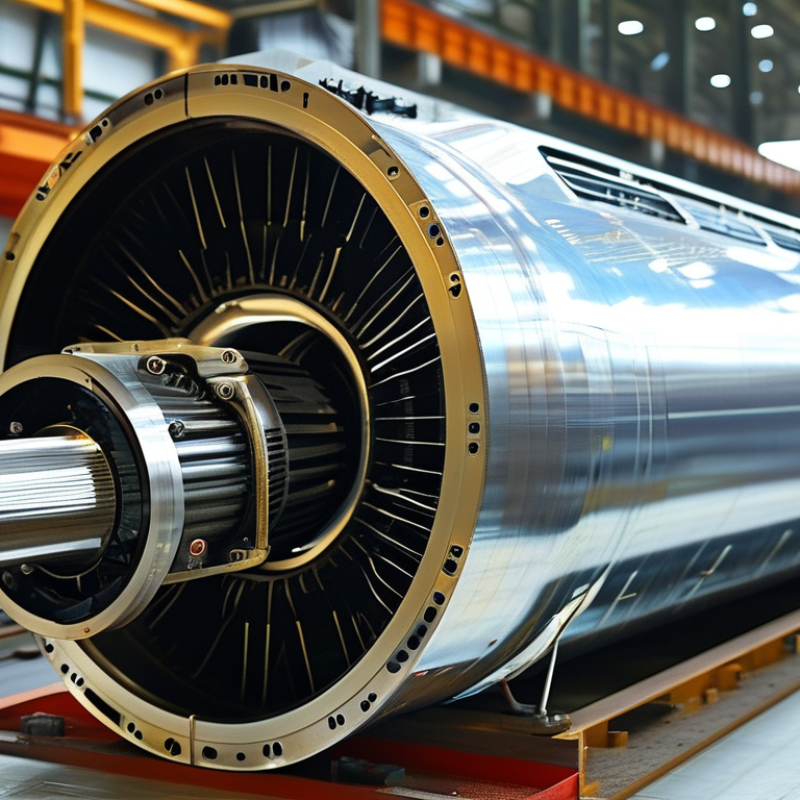
The working principle of a Maglev Air Compressor is fascinating. It employs powerful magnets to lift the rotor, significantly decreasing wear and tear. Without traditional bearings, these compressors can run more quietly and have longer lifespans.
The Chinese market is expected to grow significantly, with a projected compound annual growth rate of around
25% by 2025, according to industry analysts.
However, challenges remain in the widespread adoption of maglev technology.
High initial costs and the need for specialized materials can deter investment. Additionally, there is still limited awareness among consumers about the benefits of maglev systems. Continuous research and development are crucial to overcome these hurdles and realize the full potential of maglev compressors in China.
Current Market Trends of Maglev Compressors in China
The market for maglev compressors in China is rapidly evolving. These devices utilize magnetic levitation technology to minimize friction. This results in less energy consumption and lower operational costs. Industries like refrigeration and air conditioning are showing increasing interest in these efficient systems. As the demand for energy-efficient solutions grows, maglev compressors are becoming more popular.
Recent trends indicate a shift towards sustainable practices. Many companies are investing in maglev compressor technology to reduce their carbon footprint. The Chinese government’s push for green technologies supports this trend. However, challenges remain. Cost and technical know-how are barriers for some manufacturers. Not all companies are ready to adopt these advanced systems, leading to a slower growth rate in certain sectors.
The future looks promising but not without doubts. Ongoing research and development will be crucial. There is a need for better education on the benefits of maglev technology. Collaboration between academia and industry can foster innovation. As companies weigh the risks and benefits, the market's trajectory will be shaped.
Key Industries Utilizing Maglev Compressors: Applications and Benefits
Maglev compressors are gaining traction in multiple industries across China. Their magnetic levitation technology offers significant advantages over traditional compressors. These compressors operate efficiently, reducing energy consumption and minimizing wear and tear. This leads to lower maintenance costs.
The automotive sector is one key industry adopting maglev compressors. They enable precise control of air conditioning systems. This results in improved fuel efficiency and enhanced performance. Another significant application is in the food processing industry. These compressors help maintain optimal storage temperatures, preserving product quality and safety.
However, there are challenges. The initial investments can be high. Companies must weigh the long-term benefits against these costs. Training and expertise in handling this technology are also required. As industries evolve, the need for eco-friendly solutions becomes paramount. Ultimately, the future of maglev compressors in China is promising. Yet, it demands reflection on integration challenges.
Technical Advancements in Maglev Technology and Efficiency Gains
Maglev compressors in China are witnessing significant technical advancements. These devices use magnetic levitation to minimize friction, leading to improved efficiency. As they become more popular, engineers are innovating their design. They’re exploring new materials that can withstand higher loads and temperatures. These developments can potentially revolutionize cooling systems in various applications.
However, challenges remain. Many prototypes need rigorous testing to ensure reliability. Some designs have faced difficulties with heat dissipation and noise reduction. Engineers continue to refine these aspects, aiming for optimal performance. It's essential to gather real-world data to assess their effectiveness fully. Solutions might not be straightforward, and ongoing adjustments may be necessary.
The path forward looks promising yet complicated. Standards for energy efficiency are evolving. The future of maglev compressors depends on how quickly these challenges are addressed. Progress in this field could lead to greener technologies. Continuous research and investment will play a crucial role in reshaping the compressor industry. The journey will require collaboration and shared knowledge across various sectors.
What is the Future of Maglev Compressors in China? - Technical Advancements in Maglev Technology and Efficiency Gains
| Dimension |
Value |
| Current Market Size (2023) |
$1.5 Billion |
| Expected Growth Rate (CAGR 2023-2030) |
15% |
| Efficiency Improvement (%) |
30% |
| Key Applications |
HVAC, Industrial Machinery, Automotive |
| Number of R&D Initiatives in 2023 |
10+ |
| Main Technical Advancements |
Improved Magnetic Levitation Control, Energy Efficiency Algorithms |
Forecasting Growth: Market Projections for Maglev Compressors by 2030
The future of maglev compressors in China looks promising. By 2030, the market for Maglev Centrifugal Compressors is expected to grow significantly. This growth is driven by the increasing demand for energy-efficient solutions. Industries are keen on reducing operational costs while adhering to environmental standards.
In recent years, the Chinese government has invested heavily in sustainable technologies. Maglev compressors provide a unique solution with reduced friction and improved efficiency. However, challenges remain. The technology needs further refinement to ensure reliability under different operational conditions. Many manufacturers are still exploring ways to optimize performance and minimize costs.
Market projections suggest that innovations will emerge, enhancing the competitiveness of maglev centrifugal compressors. Some experts predict that the adoption rate will accelerate due to regulatory pressures. Yet, skepticism exists surrounding the transition period. Industrial users may hesitate to replace existing systems without proven long-term results. Trust in new technology will take time to build.
Future of Maglev Compressors in China: Market Projections and Growth Insights
Challenges and Barriers to Expansion of Maglev Compressors in China
The expansion of maglev compressors in China faces significant challenges. These innovative
Air Compressors promise higher efficiency and reduced noise levels, but adoption is slow.
Many industries remain cautious, unsure about the technology's long-term reliability. This hesitation results from a lack of proven applications within local contexts.
Investment in infrastructure is another barrier. Building facilities capable of supporting maglev technology requires substantial financial backing. Smaller companies often lack the resources to transition from traditional air compressor systems. Additionally, there appears to be a skills gap; the workforce must be trained to handle this advanced technology effectively.
Regulatory frameworks also pose an obstacle. Current standards are primarily designed for conventional systems. Aligning regulations with new technologies like maglev compressors can be a complex process. This uncertainty can hinder potential investments and slow down research and development efforts in China’s competitive market. Without addressing these issues, the future of maglev compressors may remain uncertain.
Government Policies and Incentives Impacting Maglev Compressor Development
China's push for innovation in maglev compressors is deeply influenced by government policies. The country aims to enhance energy efficiency and reduce emissions. By promoting sustainable technologies, the government is creating a fertile environment for research and development. This aligns well with global trends in eco-friendly engineering.
Incentives such as grants and tax breaks play a significant role. Companies investing in maglev technology gain financial support, which reduces development risks. However, the rapid pace of technological evolution can pose challenges. Not all firms can adapt quickly, and some may struggle to keep up with new standards.
Tips: Staying updated on policy changes is crucial. Companies should establish strong connections with policymakers. Collaborating with research institutions enhances innovation. When evaluating different compressor technologies, consider their long-term benefits. For instance, while Screw Compressors remain popular, maglev systems offer unique advantages worth exploring. Embracing new technologies requires a flexible mindset. The journey toward cleaner, more efficient compressors will not be without its obstacles. Organizations must be ready to face them head-on.
Maximizing Energy Efficiency: Insights from Industry Reports on the China Multi-Compressor Central Control System - Air Commander
In the quest to maximize energy efficiency in industrial operations, advanced central control systems are leading the way. The multi-compressor central control system, designed specifically for air production, exemplifies innovation in maintaining optimal performance while reducing energy consumption. By automatically balancing the load across multiple compressors, these systems ensure a stable main pressure, crucial for consistent operation in factories and industrial applications.
One of the standout features of this technology is its ability to provide real-time data monitoring and efficiency alerts. This allows operators to keep track of compressor performance continuously, swiftly addressing any units that fall outside their optimal range. The system's intelligent load rebalancing not only enhances overall energy efficiency but also promotes operational excellence within the facility. Additionally, user-friendly features like automatic backup and timed operations ensure that industrial processes run smoothly and efficiently, adapting seamlessly to the demands of production schedules.
Investing in advanced central control solutions significantly improves air compression management, leading to substantial energy savings and enhanced productivity. Industries looking to innovate their air systems will find that adopting such cutting-edge technologies can yield immediate benefits, reinforcing their commitment to sustainability and operational effectiveness.
FAQS
: Maglev compressors utilize magnetic levitation to enhance efficiency by eliminating mechanical friction.
They can increase energy efficiency by up to 30%, lowering operational costs and environmental impacts.
They run quietly and have longer lifespans due to reduced wear without traditional bearings.
High initial costs and a lack of technical know-how can deter manufacturers from investing in maglev systems.
Industries like refrigeration are showing interest due to their energy efficiency and lower operational costs.
The market is expected to grow at a compound annual growth rate of around 25% by 2025.
Limited consumer awareness and the need for specialized materials are significant barriers to widespread adoption.
Partnerships between academia and industry can drive innovation and spread awareness of maglev benefits.
Industrial users might hesitate due to the uncertainty of long-term reliability and trust in new technology.
Heavy investments in sustainable technologies by the government support the growth and adoption of maglev compressors.
Conclusion
The future of Maglev Compressors in China appears promising, driven by their innovative working principles and growing market trends. These compressors utilize magnetic levitation technology to enhance efficiency, leading to significant benefits in key industries such as HVAC, automotive, and industrial applications. With continuous technical advancements, including improved energy efficiency and cost-effectiveness, Maglev Compressors are poised for substantial growth.
Looking ahead to 2030, market projections indicate a robust increase in adoption across various sectors, yet challenges such as high initial costs and technological barriers remain. Additionally, supportive government policies and incentives are crucial in fostering the development and expansion of Maglev Compressor technologies in China, making them a critical component of future industrial advancements.