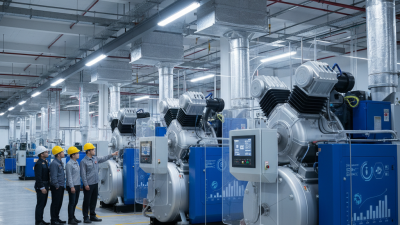
So, when you're on the hunt for an Industrial Air Compressor, it’s super important to pick the right one — after all, it can really make or break your operational efficiency. Did you know that, according to Research and Markets, the global market for these compressors is projected to hit around $41 billion by 2026? That’s pretty huge! It just goes to show how critical it is to choose wisely and do your homework before making a decision.
John Smith from Atlas Copco, a true expert in the field, reminds us, “Picking the right compressor can seriously boost productivity.” His point hits home: not every compressor is the same, and different jobs call for different features. Ignoring that could lead to some serious performance issues.
Plus, I get it — picking out the right industrial air compressor isn’t always straightforward. You’ve got to consider things like power sources, air quality needs, and how often you're gonna use it. Messing up the choice can end up wasting a lot of resources. So, it’s definitely worth taking the time to compare options and chat with industry pros — it can save you from a lot of headaches down the line.
Understanding the Basics of Industrial Air Compressors
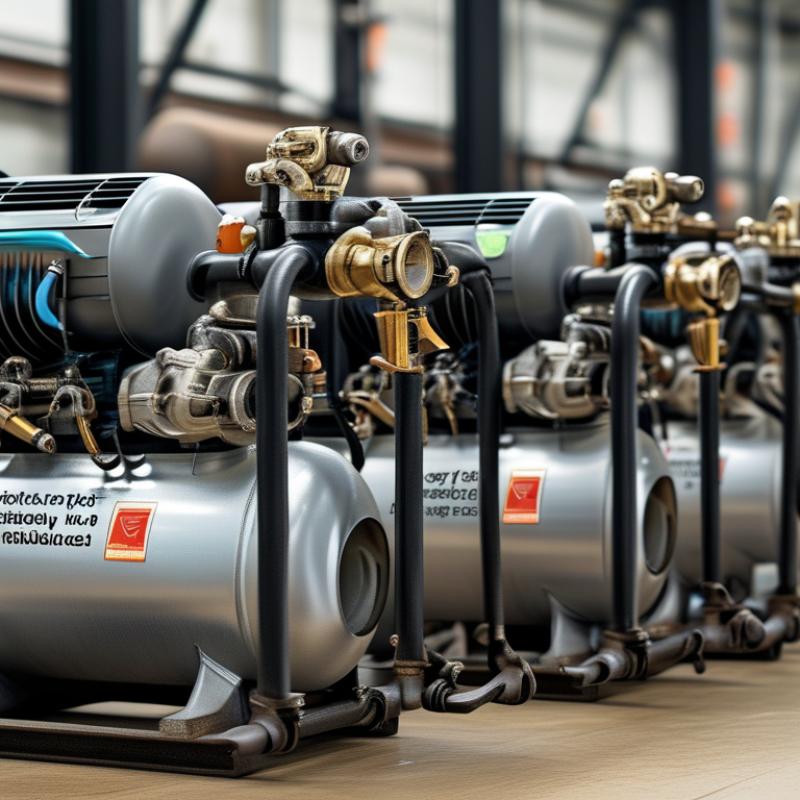
Understanding industrial air compressors involves grasping their fundamental functions. These machines compress air for various applications, providing essential energy for tools and machinery. For industries, the choices are vast, and selecting the right type can be daunting.
An Industrial Screw Air Compressor is popular due to its efficiency and reliability. It operates using two rotating screws, delivering continuous air flow. This design minimizes energy consumption and reduces maintenance needs. However, users may overlook the air quality aspect. Contaminants in compressed air can lead to equipment failure and product defects. Regular filtration is crucial.
The size of the compressor matters too. A unit too large may waste energy, while one too small can overwork. Consider the specific needs of your operations. Think about the tools you will be using and their air requirements. Many factors influence which compressor suits your application best. It's essential to reflect on these aspects for optimal performance.
Types of Industrial Air Compressors and Their Applications
When selecting an industrial air compressor, understanding different types is crucial. Each variety serves specific functions across industries. For instance, the Industrial Rotary Screw Air Compressor is widely used for continuous operation in manufacturing. It provides a stable airflow and operates efficiently, often using fewer energy resources compared to reciprocating compressors.
Reciprocating air compressors are another option. They excel in tasks requiring high pressure and deliver air in bursts. However, their cyclic operation can lead to energy inefficiencies. Data indicates that improper choice of compressor can lead to increased operational costs by up to 30%. This highlights the importance of selecting a compressor that aligns with specific applications.
Another type includes centrifugal compressors, favored in large-scale operations. They can handle substantial volumes of air and offer impressive efficiencies at high flow rates. Nevertheless, they may not be suitable for lower flow applications due to their operational range. A proper evaluation of application needs is essential to avoid inefficiencies. Ensuring that the chosen compressor meets the demands of the workload will enhance reliability and performance.
Types of Industrial Air Compressors and Their Applications
This chart displays the different types of industrial air compressors and their common applications, providing insights into which type may best suit your needs based on usage frequency.
Assessing Airflow and Pressure Requirements for Your Needs
When selecting an industrial air compressor, understanding airflow and pressure is crucial. Different applications require varying airflow rates. For instance, pneumatic tools may need high volumes, while painting tasks require consistent pressure. Knowing your specific tasks helps narrow down options.
Tips: Calculate the CFM needed for your tools. Make sure to account for all devices running simultaneously. If unsure, consult the tool’s manual for specifics. Evaluating pressure requirements is equally vital. Some tools, like sanders, may need higher PSI to function optimally.
Consider picking an Industrial Low Pressure Compressor if your tasks involve lower pressure applications. These compressors are efficient, saving energy while meeting your requirements. Many users overlook fluctuating demand. Your needs may change, so choose a compressor with some capacity for future growth.
Evaluating Power Sources: Electric vs. Gas-Powered Compressors
When choosing an industrial air compressor, evaluating the power source is essential. Electric and gas-powered compressors each have unique advantages and limitations.
Electric compressors are often quieter and require less maintenance. They are ideal for indoor use, where ventilation might be an issue. Gas-powered compressors are more portable and can operate in remote locations without access to electricity. However, they generate emissions, which could be a concern for some users.
Tips: Consider your work environment. If you are operating indoors, an electric compressor might be more suitable. If you need mobility, gas might be the better choice. Always assess the available power supply before making a decision.
Keep in mind that electrics tend to be more efficient. However, if the power outages are frequent, gas models can save the day. Think about the jobs you commonly perform. Some may require a high airflow rate that only gas units provide. Always analyze your specific needs before settling on a compressor type.
Considering Tank Size and Portability for Specific Uses
Choosing the right tank size for your industrial air compressor is essential. A larger tank can provide a steady air supply for longer tasks. It can reduce the frequency of motor starts, which prolongs the compressor's lifespan. However, a giant tank can be cumbersome. It may take up valuable space, especially in smaller workshops.
Portability is also a critical factor. If you plan to move the compressor between job sites, a lightweight model is ideal. Look for wheels and carry handles, which enhance mobility. Sometimes, more portable options compromise tank size. Balancing tank size and portability can be tricky.
Consider your specific needs. Heavy-duty tasks may require more air, thus a bigger tank. Construction sites often need portability, while workshops might focus on capacity. Analyze your work environment and future projects before making a decision. It's vital to reflect on how often you will need to move the compressor around.
Analyzing Maintenance and Durability Factors in Compressors
When selecting an industrial air compressor, maintenance and durability are paramount. Regular maintenance is essential for optimal performance. A report by the Compressed Air and Gas Institute notes that improper maintenance can reduce compressor life by up to 50%. Basic checks, like monitoring air filters and oil levels, can prevent larger issues. Skipping these can lead to costly repairs and unexpected downtime.
Durability is often linked to the compressor's design and materials. A study from the International Journal of Industrial Maintenance reveals that compressors with all-metal components generally last longer than those with plastic parts. This durability can save businesses thousands in replacements and repairs over time. However, it’s crucial to assess the intended use. A compressor used in a demanding environment may need more robust construction compared to one used for lighter tasks.
Another key factor is the operating environment. Excessive dust, humidity, or temperature fluctuations impact compressor lifespan. A humid environment can lead to corrosion. Maintaining a clean, controlled environment can enhance durability. Users should regularly review their operational conditions and adjust maintenance schedules accordingly to prevent deterioration. Balancing these factors ensures that you choose the right air compressor without unnecessary compromises.
Budgeting for Purchase and Long-Term Operating Costs
When considering the purchase of an industrial air compressor, budgeting is essential. It’s not just about the upfront cost. You must factor in long-term operating expenses. These can include maintenance, energy consumption, and the potential need for an Industrial Refrigerated Air Dryer to ensure optimal performance.
Understand the energy efficiency ratings of compressors. Higher efficiency often leads to reduced energy bills. If your air system runs continuously, a small increase in efficiency can save significant costs over time. Consider investing in modern technology that may have a higher purchase price but pays off in durability and efficiency.
Don’t overlook maintenance costs. Regular upkeep can prevent costly repairs down the line. Invest in comprehensive service agreements from qualified professionals. Think about the lifespan of your compressor. Choosing a reliable unit can mean fewer replacements and a more stable budget down the road.
Optimizing Air Demand: Insights from Industry Reports on High-Efficiency ZVe Series Single-stage PM VSD Air Compressors for Factories
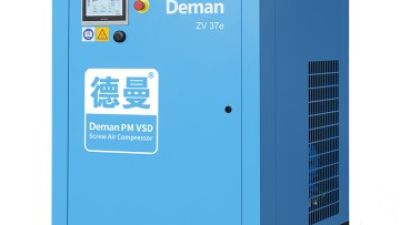
In today’s industrial landscape, optimizing air demand is crucial for enhancing operational efficiency and reducing costs. The advent of high-efficiency single-stage permanent magnet variable speed drive (PM VSD) air compressors has revolutionized the way factories manage their air supply. Industry reports indicate that air demand in factories typically ranges from moderate to high, with many establishments operating at or below 2000 hours annually. The ZVe Series PM VSD air compressor capitalizes on these insights, providing a reliable air supply tailored for such operational profiles.
The unique design features of the ZVe Series include a high-efficiency permanent magnet motor paired with advanced VSD control technology. This combination guarantees consistent air pressure while achieving significant energy savings. Reports suggest that adopting VSD technology can lead to energy consumption reductions of up to 35% compared to traditional compressors. This efficiency not only translates into lower operational costs but also supports sustainability initiatives as factories seek to minimize their environmental footprint.
Furthermore, the ZVe Series is particularly advantageous for small to medium-sized factories needing an economical solution with minimal upfront investment. By delivering superior performance and reliability, this compressor meets the specific demands of industries reliant on effective air compression, thereby facilitating smoother operations and increased productivity. Overall, the integration of high-efficiency air compressors like the ZVe Series exemplifies the industry's shift towards smarter energy management and operational excellence.
FAQS
: The main types are rotary screw, reciprocating, and centrifugal compressors. Each serves unique functions.
Rotary screw compressors provide stable airflow and operate efficiently. They often use less energy than reciprocating types.
They deliver air in bursts and can create energy inefficiencies. Choosing the wrong type can increase costs significantly.
Centrifugal compressors are favored for large-scale operations. They handle large air volumes efficiently, but not low flow.
Electric compressors are quieter and need less maintenance. Gas-powered models offer portability but produce emissions.
Use gas-powered compressors if you need mobility or work in remote areas. They operate without electricity.
Assess the work environment and power supply. Consider airflow needs and potential power outages in your decision.
An improper selection can increase operational costs by up to 30%. Efficiency is crucial for managing expenses.
Yes, they generate emissions. This can be a significant issue in some work environments. Always weigh the pros and cons.
Identify your specific application needs. This ensures reliability and enhances performance in operational tasks.
Conclusion
Choosing the right industrial air compressor is crucial for optimizing efficiency and productivity in various applications. Understanding the basics of industrial air compressors is the first step, as these machines come in different types suited for specific tasks. Assessing your airflow and pressure requirements will help determine the appropriate model, while weighing the advantages of electric versus gas-powered options can impact operational costs and flexibility.
Additionally, considering factors like tank size and portability is essential for aligning the compressor with your specific use case, whether it involves stationary setups or mobile operations. Maintenance and durability also play significant roles, influencing long-term reliability and performance. Lastly, budgeting for both the initial purchase and the ongoing operating costs ensures that your investment meets both immediate and future needs effectively. By carefully evaluating these aspects, you can select an industrial air compressor that best suits your operational demands.