Picking the right Oil Removal Filter really makes a difference in how smoothly your operations run. Honestly, there are quite a few things to consider when you're trying to figure out which filter is the best fit for you. You gotta get a good sense of what your specific needs are and what kind of environment the filter will be working in—that stuff matters.
Oil removal is super important across industries like manufacturing, automotive, and more. A decent filter not only keeps your oil clean but can also help extend the lifespan of your equipment. But heads-up—don’t just go for the shiny ones; not all filters deliver the same performance. Some might look good on paper but don’t really hold up when it counts.
Take your time to weigh your options. Check out how the filters perform, how easy they are to maintain, and yeah, consider the price too. Sometimes, spending a bit more upfront on a quality filter can save you a bunch of trouble and money down the line. It’s all about striking that sweet spot between quality and affordability. If you get a good grip on these factors, you'll end up with a filter that actually measures up to your needs in this pretty competitive market.
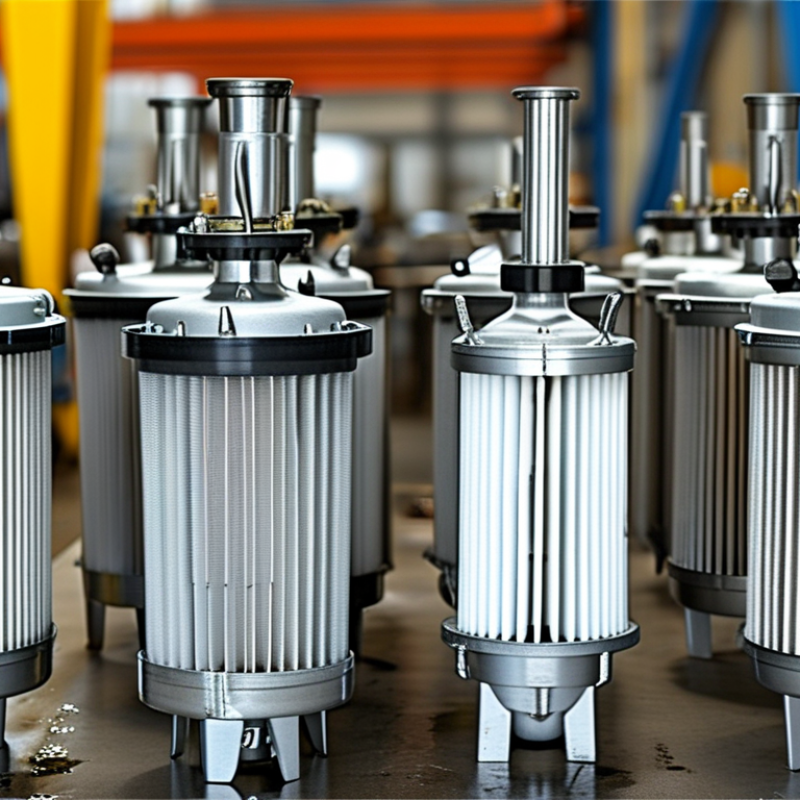
Understanding Oil Removal Filters: An Overview
When selecting an oil removal filter, understanding its mechanics is crucial. Oil removal filters can vary greatly in their design and efficiency. For example, a recent report by the American Filtration Association noted that poorly designed filters could allow up to 10% of oil contaminants to pass through. This means choosing wisely is essential for operational efficiency.
Precision Oil Removal Filters are engineered to capture smaller particles effectively. Filters with higher micron ratings can eliminate contaminants more efficiently. Research indicates that filters with a 1-micron rating can remove up to 99.9% of oil content in water. This is significant for industries aiming to meet strict environmental regulations. However, it's vital to assess factors like flow rate and filter lifespan, which can differ based on usage.
Many users overlook maintenance schedules. Failing to replace filters can lead to reduced performance. It's not uncommon for professionals to experience issues because of neglected systems. Regular monitoring is necessary to ensure optimal functionality. Frustrations often arise from unexpected costs linked to filter replacements and downtime. Being informed can help avoid these pitfalls.
Oil Removal Filter Efficiency Comparison
Types of Oil Removal Filters: Pros and Cons
When choosing an oil removal filter, understanding the types and their pros and cons is essential. There are several types of filters available. Each has unique features that serve different needs.
One common type is the coalescing filter. It effectively separates oil from water and removes small particulates. This filter is efficient but may require frequent maintenance. Ensuring proper upkeep can extend its life. Factor this into your decision-making process.
Another option is the electrostatic filter. This type uses an electric charge to attract and remove contaminants. It’s effective for fine oil droplets. However, its reliance on electricity might not suit all settings. Assess your energy sources before selecting.
Tips: Regular checks are vital. Replace filters as recommended. Look for clear indicators of performance drops. Also, consider your specific application. Different environments may require different solutions. Always prioritize the filter that best aligns with your operational needs.
Key Features to Consider When Choosing an Oil Filter
Choosing the right oil removal filter requires careful consideration of several key features. It's essential to know your specific needs. Different applications demand different filtration types. Look closely at the filtering capacity. This can vary widely among filters. A High-Efficiency Oil Removal filter can capture fine particles, ensuring cleaner output.
Another crucial feature is the filter's lifespan. Filters with longer service lives may save you money in the long run. However, maintenance shouldn't be overlooked. Regularly checking your filter ensures optimal performance. Failing to do this might lead to reduced efficiency and higher costs.
Compatibility is also important. Make sure your chosen filter fits your system well. An incompatible filter can cause serious issues down the line. Always review installation guidelines. It’s not uncommon for users to overlook this detail, leading to inefficiencies. Eventually, weighing these factors will guide you in selecting the best oil removal filter for your needs.
How to Choose the Best Oil Removal Filter for Your Needs?
| Feature |
Description |
Importance |
| Filtration Efficiency |
Measured by the micron rating, indicating the size of particles the filter can remove. |
High efficiency is crucial for preventing engine wear and tear. |
| Flow Rate |
The amount of oil that can pass through the filter per minute. |
Ensures adequate lubrication at higher speeds and loads. |
| Temperature Resistance |
Ability to withstand high temperatures without degrading. |
Important for maintaining filter integrity in extreme conditions. |
| Compatibility |
Must fit the specific engine design and oil type. |
Ensures proper fit and function, avoiding leaks and damage. |
| Service Life |
Duration or mileage the filter can be used effectively. |
Longer service life reduces maintenance frequency and costs. |
| Cost |
Price point compared to the market average. |
Important for budget considerations while selecting a filter. |
Assessing Your Needs: Application and Environment Factors
When choosing an oil removal filter, understanding your application and environment is crucial. Different industries have unique needs. For instance, the food processing sector requires filters that meet strict hygiene standards.
In contrast, the automotive industry may prioritize durability and cost-efficiency.
Data from recent industry reports indicates that improperly matched filters can lead to a 30% increase in maintenance costs. This can arise from filters failing to remove oil effectively.
Assessing the environment is equally important. Filters in humid or corrosive settings may need special coatings or materials. A standard filter might not withstand these conditions, leading to frequent replacements.
Consider the volume of oil expected and the type of oil in use. High-viscosity oils might require specialized filters. It’s important to reflect on past applications. Did previous filters last as expected?
Were there signs of breakthrough? Such questions can guide you toward a more suited choice.
Prioritize filters that offer reliable performance in your specific context for greater efficiency.
Understanding Filter Ratings and Specifications
When choosing an oil removal filter, understanding filter ratings and specifications is vital. Filters are designed based on their ability to trap particles and contaminants in oil. The rating often indicates the size of particles a filter can remove. A higher Micron rating means a filter can trap smaller particles. However, this doesn’t always mean it's better. It can also reduce flow rate and efficiency.
Flow rate is crucial in practical applications. If a filter has a low flow rate, it may hinder performance under certain conditions. It's essential to consider the oil type and the system's demands when selecting a filter. Some filters excel in particular scenarios but struggle in others. This mismatch can lead to inefficient operation and higher costs.
Moreover, pay attention to the construction materials. Durability and resistance to chemical wear can impact filter lifespan. Reading reviews and user feedback provides insights into real-world performance. This helps identify potential shortcomings in specific filters. Trustworthy sources of information can guide you in making an informed choice. Evaluating your needs with these specifications will enhance your decision-making process.
Installation and Maintenance Tips for Oil Removal Filters
Oil removal filters are essential for ensuring clean and efficient operations in various systems. Proper installation and ongoing maintenance are crucial to maximize their performance. Studies indicate that improperly installed filters can reduce efficiency by up to 30%. This means that attention to detail in the installation phase is vital. Always follow the manufacturer’s guidelines closely for optimal performance.
Regular maintenance is just as important. A recent industry report suggests that routine checks can extend the filter's lifespan by 25%. Inspect the filter for signs of wear and debris buildup. Frequent changes, based on usage, help prevent system clogging and ensure effectiveness. Keeping a log of maintenance activities can be very helpful. It allows you to track performance trends and identify potential issues early.
Choosing the right type of filter, such as a Dust Removal Filter, depends on your specific needs. Evaluate the environment where the filter will be used. Different applications may require different types of filtration levels. Moreover, not all filters are created equal. Some may require more frequent maintenance than others. Assessing these details can lead to a more informed decision and an efficient system.
Budget Considerations: Cost vs. Quality in Oil Filters
Choosing the right oil removal filter for your needs can be challenging. One major factor to consider is budget. While it may be tempting to simply pick the cheapest option, quality often varies widely among oil filters. A low-cost filter can lead to costly engine problems in the long run. The goal is to find a balance between cost and quality.
When selecting an oil filter, look for options that offer reliable performance without breaking the bank. Some filters provide excellent filtration, like the Fine Oil Filter, which can save you money on maintenance in the future. High-quality filters catch more contaminants, extending your engine's lifespan. Yet, not all premium filters are necessary for every application.
Tips: Review customer feedback on various filters to gauge reliability. Consider your vehicle's specific needs before committing to a purchase. Sometimes, going for a moderately priced filter with good reviews can be wiser than splurging unnecessarily. Investing in quality does not mean spending excessively; it means understanding your vehicle's requirements. A well-informed decision will ultimately yield better value.
FAQS
: Common types include coalescing filters and electrostatic filters, each serving unique needs.
They effectively separate oil from water and remove small particulates, though they may need frequent maintenance.
They use electric charges to attract and remove fine oil droplets, but require a reliable energy source.
Incorrect installation can reduce efficiency by up to 30%. Following guidelines is vital for optimal performance.
Regular checks and timely replacements can extend the filter's lifespan by 25%.
Evaluate your specific needs and environment. Not all filters offer the same level of performance.
Reviews can provide insights on filter reliability, helping you make an informed decision.
A low-cost filter may cause long-term engine problems. Balance cost with quality to avoid future costs.
Keep a log of maintenance activities to track performance and anticipate issues.
No, not all premium filters are necessary for every need. Choose based on specific requirements.
Conclusion
When selecting the best Oil Removal Filter for your specific needs, it is essential to understand the various types available and their respective advantages and disadvantages. Filters come in different designs and functionalities, each suited for different applications and environments. Key features to consider include the filter's efficiency, capacity, and ease of maintenance.
Assessing your requirements based on the application and environmental factors will help narrow down your options. Understanding filter ratings and specifications is crucial to ensuring that the chosen filter meets your performance expectations. Additionally, while evaluating costs, it's important to strike a balance between budget and quality to ensure optimal performance over the filter's lifespan. Finally, proper installation and regular maintenance will enhance the efficacy of your Oil Removal Filter, ensuring it operates effectively in your system.