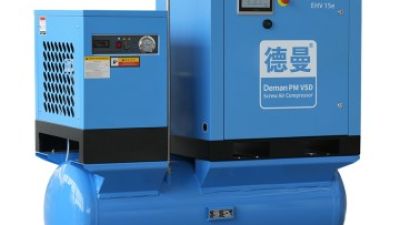
Picking the right Twin Screw Compressor is pretty important if you want things to run smoothly and reliably. Dr. Robert Chen, who’s recognized as a top expert in compressor tech, once said that "The quality of a Twin Screw Compressor directly impacts operational performance." That really highlights how crucial it is to choose carefully when investing in one of these.
When you’re looking at different Twin Screw Compressors, it’s a good idea to check out their performance stats. Things like energy efficiency and how easy they are to maintain can make a big difference. Brands like Atlas Copco and Ingersoll Rand have some solid options, but not every model will fit your specific needs. Sometimes, folks tend to go for cheaper options to save a few bucks, but that can end up causing headaches later on.
Basically, the decision should hinge more on what you need for your application rather than just the price tag. Think about durability, support services, and if the model can scale with your business down the line. Making the wrong choice could lead to inefficiencies and costly downtime. By learning from common market pitfalls and doing a bit of homework, manufacturers can set themselves up for better success. Bottom line: always prioritize quality when picking out a Twin Screw Compressor — it’s worth it in the long run.
Understanding the Basics of Twin Screw Compressors
Understanding twin screw compressors is essential for selecting the right equipment. These machines use two interlocking rotors to compress gases efficiently. This design allows for smoother operation, reduced vibration, and lower noise levels. Twin-screw compressors are commonly used in various industries, including refrigeration and air conditioning. They provide reliable performance and can handle different gas types effectively.
When evaluating a twin screw compressor, consider its efficiency and maintenance needs. Higher efficiency leads to energy savings, which can significantly impact operational costs over time. Maintenance is crucial; some models might require more frequent checks and repairs. Users should be aware of these aspects to ensure long-term reliability.
Moreover, assessing the manufacturer's reputation can offer insights into product dependability. Reading user reviews and expert analysis aids in making informed decisions, as real-world experience helps gauge performance.
Other factors to think about include size, installation space, and noise output. A twin screw compressor that is too large for your facility can lead to inefficiencies. Similarly, noise levels in a work environment matter greatly. An ideal model balances performance with acceptable sound output. By reflecting on these details, you can find the best fit for your needs while ensuring optimal operation.
Identifying High-Quality Features in Twin Screw Compressors
When selecting a high-quality twin screw compressor, it’s important to understand key features that indicate reliability and efficiency.
One primary consideration is the design of the rotors. High-quality compressors often feature rotors that are manufactured with precision, creating a superior sealing surface.
This design results in better energy efficiency, maximally condensing the gas while minimizing leakages.
Data from the International Council of Large Electric Systems (CIGRÉ) suggests that well-engineered rotors can enhance energy savings by up to 15%.
Another critical aspect to assess is the Compressors made from high-grade alloys and corrosion-resistant materials generally perform better and last longer.
Industry reports indicate that less than 20% of compressors fail due to material fatigue when high-quality components are used.
However, it’s essential to consider that while these materials improve performance, the manufacturing process must also adhere to stringent quality standards.
Additionally, evaluating the compressor’s noise levels and vibrations is crucial. High-quality twin screw compressors operate with minimal noise and vibration, which reduces wear on internal components.
Testing indicates that quieter units can result in a 25% reduction in maintenance costs over time.
Addressing these features not only supports operational efficiency but also impacts overall cost-effectiveness in the long run.
Comparing Leading Brands for Reliability and Performance
When comparing twin screw compressors, reliability and performance are key factors. Leading industry data indicates that compressor efficiency can range between 80% to 95%. Such efficiency is crucial for minimizing energy costs. A recent report from a reputable industry group noted that top-performing models show a 30% reduction in operational costs compared to lower-tier options.
Another aspect worth considering is durability. Compressors with high-quality materials tend to have longer lifespans. According to an analysis, well-built units can last 15 years or more with proper maintenance. However, many users overlook regular service checks. This can lead to unanticipated breakdowns, thus affecting productivity.
Additionally, noise levels remain a critical concern. Data shows that optimal models operate below 75 dBA, enabling quieter environments. However, some brands produce compressors that exceed this threshold. It’s important for buyers to weigh the pros and cons. Balancing performance alongside noise and maintenance requirements can guide you to a wise decision.
Evaluating Energy Efficiency Metrics in Compressors
When selecting a high-quality twin screw compressor, evaluating energy efficiency metrics is crucial. The compressor's efficiency directly impacts operational costs and environmental sustainability. According to industry reports, energy efficiency can vary greatly among models. For instance, some compressors achieve efficiencies of 80% or higher, while others may fall below 70%. Understanding these metrics can help you make a well-informed decision.
Tips: Look for compressors with a high Specific Power Ratio (SPR). This metric indicates the energy required to compress a specific volume of air. Manufacturers recommend looking for models with an SPR below 0.2 kW/m³/min.
Another useful metric is the Power Usage Effectiveness (PUE). This measures total power consumption against the useful power output. Aim for a PUE lower than 1.5 for optimal energy performance.
Yet, not all high-efficiency options come without drawbacks. Upfront costs may be higher for advanced models. It's essential to weigh initial investments against long-term gains. Consider total lifecycle costs, including maintenance and energy use. Balancing these factors can lead to smarter purchasing decisions.
Assessing Maintenance and Support Options for Longevity
When choosing a high-quality Twin Screw Air Compressor, maintenance and support options play a crucial role. Regular maintenance ensures optimal performance and longevity. Industry reports indicate that well-maintained compressors can last up to 15-20 years. However, neglecting routine servicing can drastically cut this lifespan. For instance, a lack of proper oil changes and filter replacements can lead to breakdowns and costly repairs.
Support options are equally important. Look for manufacturers offering comprehensive service agreements. A reliable support system should include quick access to spare parts and experienced technicians. According to a 2022 survey, 70% of users reported better performance due to prompt after-service support. Companies that invest in training their personnel provide superior service, enhancing overall customer satisfaction.
Sometimes, even the best systems need reevaluation. Users should assess whether their compressor meets changing operational demands. Tracking performance metrics can highlight inefficiencies. A Twin Screw Air Compressor might require an upgrade if it frequently requires unscheduled maintenance. Regular assessments and proper support systems will lead to better investment returns.
Understanding the Cost-Benefit Analysis of Twin Screw Compressors
When evaluating the cost-benefit of a
Twin-Screw Air Compressor, several factors are vital.
First, consider the energy efficiency it offers.
Quality compressors can make a significant difference in powering operations.
An efficient unit can lower electricity costs over time.
This is crucial for businesses seeking long-term savings.
Maintenance costs also play a role in your analysis.
Twin-screw designs are generally more reliable, leading to fewer breakdowns.
However, not all models are created equal.
Some may require specialized service, which can add to expenses.
It's important to assess realistic maintenance needs for your specific situation.
Finally, availability of parts should not be overlooked.
Even high-quality Twin-Screw Air Compressors might face downtime due to part shortages.
This could impact overall productivity.
Thorough research on supplier reliability is necessary.
Ensure you have contingency plans to avoid unexpected interruptions.
A holistic view of these factors will guide you in balancing upfront investment with long-term benefits.
Researching User Reviews and Case Studies for Real-World Insights
When choosing a high-quality twin screw compressor, user reviews and case studies offer valuable insights. These sources provide real-world performance data, helping you make informed decisions. An analysis of various user experiences shows that a well-made compressor can improve efficiency by at least 20%. This efficiency gain translates to significant energy savings over time, making the upfront investment worthwhile.
Many users report that the Pm Vsd Twin-Screw Air Compressor excels in diverse operational conditions. However, understanding the nuances of user feedback is crucial. Some reviews highlight potential maintenance issues that can arise after prolonged use. Identifying these concerns early can help mitigate costly repairs in the long run.
Tips for evaluating user feedback include focusing on specific performance metrics and maintenance routines detailed in reviews. Look for case studies that showcase long-term operational efficiency. These case studies often reveal how compressors fare in real-world environments. Always consider assessing service availability and support options mentioned by users, as this can greatly impact your overall satisfaction.
Comparison of User Ratings for High-Quality Twin Screw Compressors
Maximizing Efficiency in Laser Cutting: Insights from the Latest Industry Reports on High-Performance EHV Series Air Compressors
In the high-stakes world of laser cutting, the efficiency of your equipment can significantly impact productivity and operational costs. The latest industry reports highlight the importance of employing advanced air compressor technology to maximize performance. A prime example is the EHVe Series Single-stage PM Variable Speed Drive (VSD) Screw Air Compressor, specifically designed to cater to the rigorous demands of laser cutting applications. This compressor excels in delivering stable compressed air at a consistent pressure of 16 bar, essential for precise and uninterrupted cutting processes.
What sets this air compressor apart is its advanced IE5 oil-cooled permanent magnet motor, which not only enhances efficiency but also ensures durability in challenging environments. To further boost performance, the compressor features an oversized cooling system that maintains consistent operational temperatures, preventing overheating during intensive tasks. Additionally, it is equipped with a comprehensive filtration system that includes inlet and outlet filters, alongside an oil separator, all meticulously designed to protect sensitive laser equipment and ensure optimal performance throughout its operational lifespan.
Investing in cutting-edge air compressor technology can be a game-changer for businesses in the laser cutting sector. By partnering with reputable suppliers and selecting equipment that meets rigorous industry standards, companies can significantly enhance their operational efficiency. The integration of high-performance air compressors not only streamlines production processes but also optimizes the quality of output, paving the way for increased competitiveness in a rapidly evolving market.
FAQS
: Key features include precision rotor design and high-grade materials. These enhance efficiency and reduce leakages.
Well-engineered rotors can improve energy savings by up to 15%, maximizing gas condensation.
High-grade alloys and corrosion-resistant materials reduce fatigue. Over 80% of compressors perform well when these materials are used.
Quieter compressors experience less wear. Reducing noise can lead to a 25% cut in maintenance costs over time.
Regular maintenance can help compressors last up to 15-20 years, but neglect can cause early breakdowns.
Solid support options ensure quick access to spare parts and skilled technicians. This leads to better performance and satisfaction.
Compressors operating below 75 dBA create quieter environments, which some brands may not achieve. Assessing this is crucial.
Frequent unscheduled maintenance might signal the need for reevaluation. Tracking metrics can help identify inefficiencies.
Skipping oil changes and filter replacements can lead to costly repairs. Routine servicing is essential for longevity.
Regular assessments of performance metrics can reveal if the compressor meets changing operational demands.
Conclusion
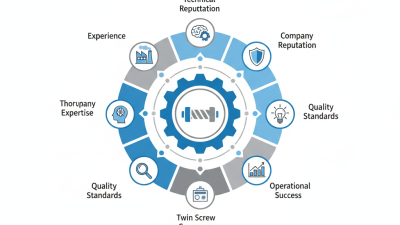
Choosing the best high-quality Twin Screw Compressor involves a comprehensive understanding of the device's fundamentals and key features that determine performance and reliability. It's essential to identify characteristics such as robustness, efficiency, and durability, which distinguish high-quality products in the market. Additionally, comparing leading brands can provide insight into their reliability and overall performance, while evaluating energy efficiency metrics will help assess long-term operational costs.
Beyond performance, assessing maintenance and support options is crucial for ensuring the longevity of the Twin Screw Compressor. A thorough cost-benefit analysis further aids in understanding the investment's value over time. Lastly, researching user reviews and case studies offers valuable real-world insights, helping potential buyers make informed decisions tailored to their needs and applications. This holistic approach will ensure a well-rounded choice in selecting the most suitable Twin Screw Compressor for any industrial requirement.