Picking out the best oil filters for your ride can feel pretty overwhelming, right? There are so many options out there, and it’s easy to get a little lost. I spoke with Mark Jones, an industry pro over at FilterTech Solutions, and he said, "Using the right oil filters can really boost your engine’s performance and help it last longer." That just goes to show how important it is to choose quality filters.
Oil filters are actually a big deal when it comes to keeping your car in good shape. They catch dirt and debris and make sure clean oil keeps flowing through your engine. If you pick the wrong one, your vehicle might not run as smoothly, or worse, you could be looking at some expensive repairs. Sadly, a lot of folks overlook just how crucial these little components are.
It’s not as simple as grabbing the first oil filter you see on the shelf. Do your homework! Know what your car specifically needs — like the right oil type and filter specs. Not all filters are created equal, and skimping here can backfire. Spending a little extra time on your decision can save you headaches down the line in terms of performance and repair costs.
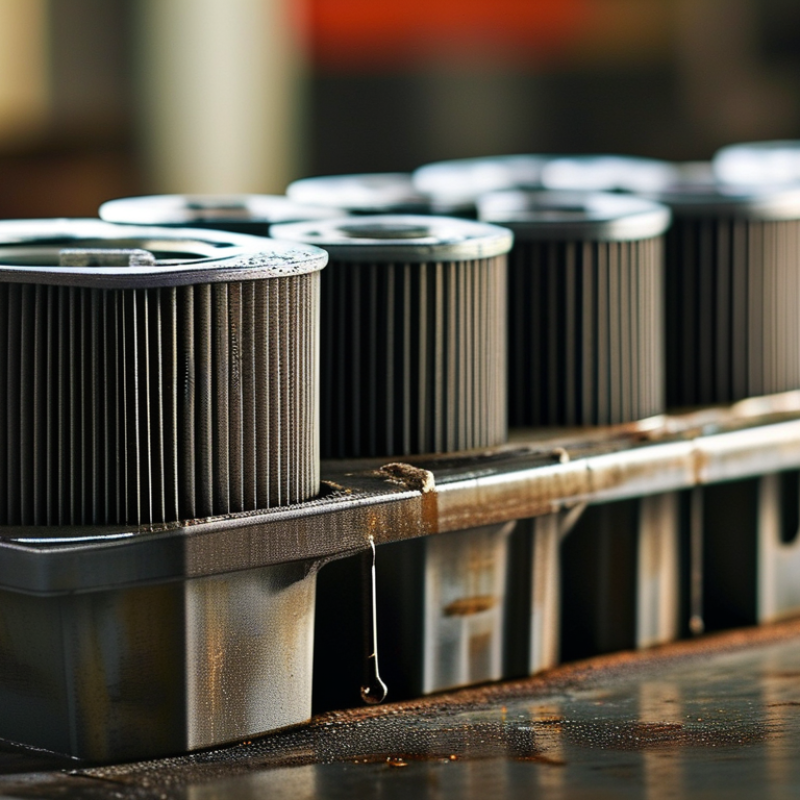
Understanding the Importance of Oil Filters in Vehicle Maintenance
Oil filters play a crucial role in vehicle maintenance. They remove impurities from engine oil, ensuring that your engine runs smoothly. According to the American Petroleum Institute, a quality oil filter can trap up to 98% of contaminants. When oil circulates, it picks up dirt and debris. Without a functioning filter, these particles can cause significant engine wear. A compromised engine can lead to costly repairs, ultimately jeopardizing your vehicle's longevity.
Regularly changing your oil filter protects your engine's health. Most vehicles recommend replacing the oil filter every 3,000 to 5,000 miles, but this can vary. Environmental factors, driving habits, and oil type can influence your filter’s lifespan. Pay attention to signs of a clogged filter, such as reduced oil pressure or strange engine noises. These indicators signal that an oil filter change may be overdue.
Tips: Always opt for filters that meet or exceed industry standards. Inspect your oil filter during each oil change to detect any leaks or damage. Consider your driving conditions; dusty environments may necessitate more frequent changes. Investing in a quality filter can save you from unpredictable breakdowns and costly repairs down the road.
Types of Oil Filters: Spin-On, Cartridge, and Magnetic Options
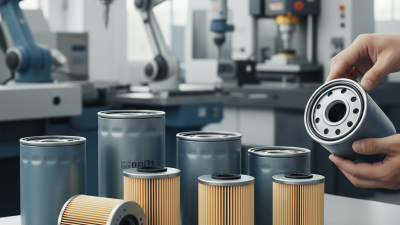
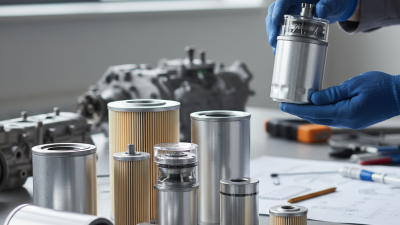
When selecting an oil filter for your vehicle, understanding the different types is essential. Spin-on filters are the most common. They are user-friendly and easy to replace. Just look for the round canister on the engine. Most DIY mechanics prefer these due to their straightforward design.
Cartridge filters are popular in many newer vehicles. They are typically reusable. This can save money in the long run, especially if you’re diligent about maintenance. However, installing them can be messier. A bit of oil may spill when replacing the filter. This can lead to frustration for those not prepared.
Magnetic filters provide unique benefits. They attract metal particles, keeping your engine clean. But they are not a complete solution. Regular oil changes are still necessary. You might think about adding a magnetic filter to enhance protection. However, it’s crucial to understand that this option may require more research.
Key Specifications: Filtration Efficiency and Micron Ratings Explained
Filtration efficiency is a crucial factor when selecting oil filters. This efficiency determines how well the filter can remove contaminants. A higher filtration efficiency means better protection for your engine. It’s essential to consider the micron rating, which indicates the size of particles the filter can trap. Many filters operate between 10 and 30 microns. A filter with a lower micron rating will provide cleaner oil.
Choosing the right micron rating is vital. If you select a filter with a higher rating than needed, it may let harmful particles through. Conversely, a filter that’s too restrictive can impede oil flow. This can lead to engine wear, affecting performance. You should also assess the construction of the filter, ensuring it can withstand the demands of your engine.
Besides oil filters, consider using quality Air Filters. They work in conjunction with oil filters to maintain engine health. Quality air filters improve combustion efficiency, enhancing overall performance. Regular maintenance and careful selection can lead to a smooth-running vehicle. Be mindful of options available; not all filters are created equal. Reflect on your needs and vehicle requirements before making a choice.
Material Considerations: Fiber, Synthetic, and Metal Oil Filter Media
When selecting an oil filter, material choice plays a crucial role in efficiency and performance. The three primary types of filter media are fiber, synthetic, and metal.
Fiber oil filters are common due to their cost-effectiveness. They efficiently capture dirt and debris but may not last as long under high temperatures. Users should note they can degrade over time.
Synthetic oil filters are engineered for enhanced performance. They often handle higher pressures and temperatures. Their ability to trap smaller particles makes them a favorite among enthusiasts. However, their higher price can lead some to question their value. A careful consideration of driving conditions can help justify this investment.
Metal oil filters provide durability and reliability. Their all-metal construction allows for better resistance to wear and tear. However, the potential for rust should not be overlooked, as it can compromise filtration efficiency. It’s important to balance cost and longevity. An informed choice ensures that your vehicle maintains optimal performance.
For those exploring similar filtration options, consider Rotary Screw Air Compressor Filters for comprehensive filtering needs.
Oil Filter Brand Comparison: Identifying Leading Industry Manufacturers
When selecting an oil filter, understanding brands is crucial. Many companies dominate the oil filter market. They vary in quality, design, and filtration efficiency. Some manufacturers focus on high-performance filters, while others prioritize cost-effectiveness. This diversity means there is no one-size-fits-all solution.
Examining the reputation of leading manufacturers can guide your choice. Higher pricing may indicate better materials and construction. However, this isn't always true. Some lesser-known brands offer surprising quality at a lower price. Customer reviews can provide insights; be wary of overly positive feedback without details. Reliable sources and expert recommendations often highlight trustworthy options.
Delving into specifications is essential. Filter capacity, media type, and compatibility all matter. Take time to research each manufacturer’s approach to these aspects. Your vehicle deserves the best protection, and this may require exploring various brands. It's not just about what is popular; focus on what fits your needs. Balancing quality, price, and performance is key to making an informed decision.
Replacement Intervals: Recommendations from Automotive Experts
Choosing the right oil filter involves understanding replacement intervals. Automotive experts stress the importance of timely changes. Most recommend replacing oil filters every 3,000 to 5,000 miles. This range ensures optimal engine performance. Some sources indicate that neglecting this can lead to engine wear. A clogged filter restricts oil flow, potentially damaging your vehicle.
In modern engines, the frequency could vary based on oil type. Synthetic oils often extend intervals beyond the 5,000-mile mark. According to a study by the American Petroleum Institute, synthetic oil users might change filters after 7,500 miles. However, consider your driving conditions. Frequent stop-and-go traffic may necessitate earlier replacements.
Experts advocate for regular inspections, regardless of mileage. Analyze your vehicle's history and usage. The right maintenance habits can enhance longevity. So, while you may trust an Oil Free Blower for daily tasks, don't overlook your oil filter needs. Keep your engine healthy by staying informed about these critical maintenance aspects.
Oil Filter Replacement Intervals for Different Vehicle Types
Impact of Oil Filters on Engine Longevity and Performance Statistics
The choice of an oil filter can significantly affect your engine's performance. Quality oil filters, such as a Fine Oil Filter, play a crucial role in keeping engine oil clean. If the filter is subpar, contaminants may circulate through the engine. This can lead to increased wear and decreased efficiency over time.
Engine longevity hinges on effective filtration. Studies show that vehicles using high-quality filters can experience lower operating temperatures. This directly impacts the overall lifespan of engine components. Regular oil changes with the right filter can improve engine performance statistics. However, many drivers overlook this vital maintenance aspect.
Choosing the best oil filter requires attention to detail. Look for filters designed for your vehicle's specific needs. While some filters may seem adequate, they could compromise engine protection. Reflection on your maintenance choices is essential. The right filter can make a noticeable difference in how your vehicle runs.
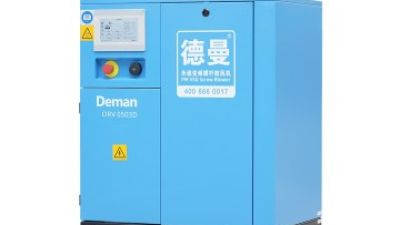
Maximizing Efficiency and Sustainability with Deman PM VSD Oil-free Screw Blower: A Comprehensive Guide from China’s Leading Suppliers
In the quest for operational efficiency and sustainability, oil-free screw blowers have emerged as a crucial technology for industries worldwide. With advancements in engineering, modern blowers can deliver Class 0 air quality, making them suitable for a range of applications, from food processing to pharmaceuticals. The integration of intelligent remote control systems allows for seamless monitoring and management of blower operations, enhancing the overall reliability and accessibility of air supply systems.
Recent industry reports indicate that transitioning from traditional Roots blowers to oil-free screw blowers can yield energy savings of 35% to 50%. This considerable reduction in energy consumption not only lowers operational costs but also positively impacts the environment by minimizing carbon footprints. For industries operating on a 24/7 schedule, the durability and efficiency of these systems mitigate downtime and streamline production processes.
Moreover, with global pressure on industries to adhere to more sustainable practices, opting for energy-efficient technologies aligns with corporate responsibility goals and regulatory mandates. Investments in cutting-edge blower technology enhance productivity and contribute to significant long-term savings while supporting environmental sustainability initiatives. The trend towards more efficient air management solutions is not just beneficial economically but essential for future-proofing industrial operations.
FAQS
: Filtration efficiency indicates how well an oil filter removes contaminants from the oil.
Micron rating shows the size of particles a filter can trap. Lower ratings provide cleaner oil.
A filter with a high rating can let harmful particles pass through, risking engine damage.
Yes, overly restrictive filters can impede oil flow, leading to engine wear and poor performance.
Quality filters help keep oil clean, reducing wear and lowering operating temperatures, which extends engine life.
Assess the filter's construction and ensure it suits your vehicle's needs for optimal engine protection.
No, not all filters provide the same level of protection. Always reflect on your specific requirements.
Regular oil changes with the right filter can significantly enhance engine performance and efficiency.
Poor quality filters can compromise engine health. Reflection on choices can prevent long-term issues.
Yes, quality air filters work with oil filters to improve combustion efficiency and overall vehicle performance.
Conclusion
Choosing the best oil filters is crucial for maintaining your vehicle's engine health. Oil filters play a vital role in removing contaminants from engine oil, which can significantly impact engine longevity and performance. Understanding the types of oil filters—spin-on, cartridge, and magnetic—is essential, as each has unique benefits. It’s also important to consider specifications like filtration efficiency and micron ratings to ensure proper engine protection.
When selecting oil filters, the material used in the filter media (fiber, synthetic, or metal) can affect performance. Automotive experts recommend specific replacement intervals to optimize filter efficiency and engine care. Comparing leading manufacturers helps identify reliable options, ensuring that the chosen oil filter meets necessary standards for vehicle maintenance. In summary, selecting the right oil filters can greatly enhance your vehicle's performance, contributing to a longer lifespan and increased reliability.