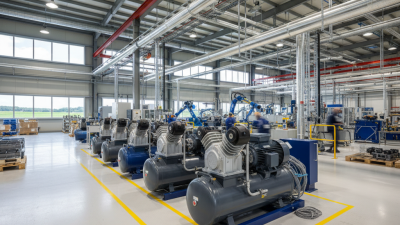
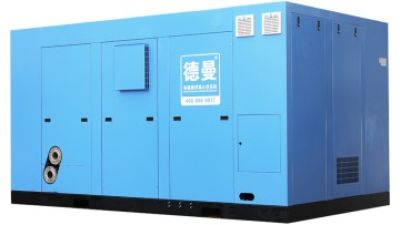
Centrifugal compressors are pretty essential in a bunch of industries—think oil and gas, chemicals, and more. If you’ve looked at market trends, you’ll see that, according to Market Research Future, the global market for these compressors is expected to hit around 5 billion US dollars by 2025. The driving force behind this? The growing need for more efficient air and gas compression systems. Industry pro John D. Williams puts it simply: "Centrifugal compressors deliver unmatched efficiency when dealing with high-capacity applications." That efficiency really matters because it directly affects how much you spend on operating costs and how well everything runs.
Now, if you’re thinking about investing in one, it’s not something to rush into. You’ve got to weigh your options carefully—think about flow rate, pressure ratio, and what energy consumption looks like. Companies like Atlas Copco and Siemens are offering some solid, high-tech options. But keep in mind, not every model is perfect for every job. It’s smart to focus on what you actually need in the long run, rather than just going for the cheapest or quickest solution.
With so many choices out there, it can be a bit overwhelming trying to find the right centrifugal compressor. There’s a real risk of overlooking maintenance demands or underestimating how complicated things can get once it’s up and running. That could lead to some serious headaches and costs later on. Sure, rotary screw compressors are pretty popular, and they’re great for some stuff—they might even compete with centrifugal types in certain scenarios—especially in big-scale operations. But honestly, doing your homework and comparing both options thoroughly is crucial to making a smart call that’ll pay off down the road.
Overview of Centrifugal Compressors and Their Applications
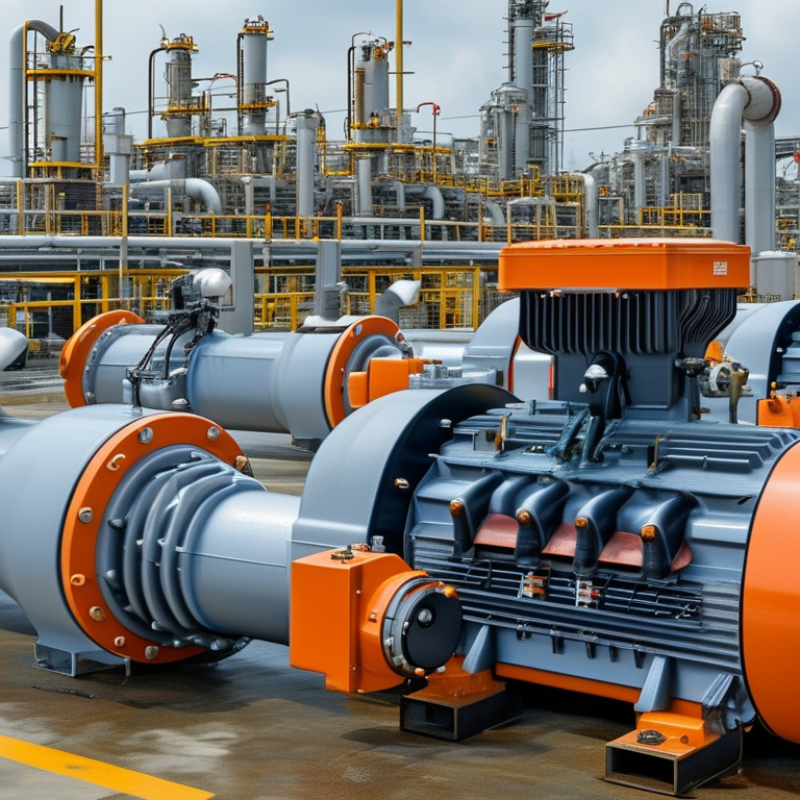
Centrifugal compressors are vital in various industrial applications. They efficiently compress gases by using high-speed rotating impellers. This design creates a strong airflow, pushing gas towards the discharge port. These compressors are commonly found in petrochemical plants, gas pipelines, and HVAC systems. Their ability to handle large flow rates makes them ideal for each of these sectors.
In terms of specific applications, Centrifugal Air Compressors shine in many fields. They are frequently used in the aviation industry for jet engines, ensuring optimal performance. In addition, these compressors serve essential roles in refrigeration systems. They can manage high volumes of air while maintaining a consistent pressure. However, their complexity can sometimes lead to maintenance challenges. Regular inspections are crucial to avoid performance drops.
Selecting the right centrifugal air compressor requires careful consideration. Each application demands unique specifications and operational conditions. Perhaps understanding the specific needs of your operations can guide the selection process. Inadequate choices may lead to inefficiencies or increased operational costs. Therefore, thorough research and expert consultations play an essential role in making informed decisions.
Centrifugal Compressors Market Overview
Key Features and Specifications to Consider When Buying
When purchasing centrifugal compressors, understanding key features and specifications is essential. These compressors are crucial in various industries, including oil and gas, HVAC, and manufacturing. According to a recent industry report, the global centrifugal compressor market is projected to grow significantly, with a CAGR of 3.5% between 2022 and 2027. This growth highlights the importance of choosing the right compressor for efficiency and performance.
One primary consideration is the compression ratio. This ratio determines how effectively the compressor will perform under different conditions. For instance, a higher compression ratio can lead to increased efficiency but may also require more energy. Additionally, heat transfer capabilities should be assessed. Efficient thermal management can enhance the lifespan of a compressor and improve overall system performance.
Material selection is also critical. Compressors often face harsh environments. Using durable materials, such as titanium or advanced composites, can mitigate wear and prolong operational life. Furthermore, while newer technologies like the
Maglev Centrifugal Compressor promise enhanced performance and reduced energy consumption, they come with a higher initial investment. Evaluating the long-term benefits versus upfront costs is a complex but necessary undertaking.
Types of Centrifugal Compressors and Their Differences
Centrifugal compressors are vital in various industrial applications. Understanding the types of centrifugal compressors can guide buyers in their selection. The most common types are single-stage and multi-stage compressors. Single-stage compressors operate at one level of compression, suitable for lower pressure applications. They are simpler and often more compact, but limited in pressure capabilities.
Multi-stage compressors, on the other hand, increase pressure across multiple stages. This design allows for greater efficiency in high-pressure environments. With each successive stage, the air is compressed further, leading to higher discharge pressures. Additionally, there are differences in design, such as the diffuser type and impeller shape. Each variation impacts the compressor’s performance characteristics.
This choice between compressor types requires careful consideration based on specific needs. Are you focused on space efficiency or maximum power output? Sometimes, engineers overlook the implications of maintenance and operational costs. Each compressor type has its own maintenance challenges, impacting long-term reliability. Reflecting on these factors can lead to more informed purchasing decisions.
Centrifugal Compressors Buying Guide for Global Suppliers
| Type |
Typical Applications |
Advantages |
Disadvantages |
| Single-Screw Compressors |
HVAC systems, gas transportation |
High efficiency, easy maintenance |
Limited pressure ratio |
| Multistage Compressors |
Industrial process, gas compression |
High pressure capability, versatility |
Complex design, higher costs |
| Centrifugal Compressors |
Oil and gas, chemical processing |
High efficiency, continuous flow |
Sensitivity to flow changes |
| Axial Compressors |
Aviation, power generation |
Compact design, high airflow |
Lower overall efficiency compared to centrifugal |
Factors Influencing the Performance of Centrifugal Compressors
When evaluating centrifugal compressors, several key factors impact their overall performance. Efficiency is paramount, often highlighted in industry reports. According to the Global Energy Statistical Handbook, the efficiency of centrifugal compressors can significantly influence operational costs. A well-designed
6 Bar Centrifugal Air Compressor can achieve efficiencies exceeding 80%. However, this is not universal across all models.
Another critical factor is the design of the impeller. Impeller geometry and material can affect flow dynamics and durability. Engineers often debate the trade-offs. A more aggressive design may boost performance but could compromise lifespan. Quality materials, such as high-strength alloys, help mitigate this risk and improve reliability in harsh environments.
Moreover, the ambient conditions play an essential role. Temperature and humidity affect the compressor's performance. For example, high humidity can lead to performance losses, as indicated in studies by the International Compressor Engineering Conference. Understanding the compressor's operational environment is vital for optimal performance. This complexity underscores the necessity for careful evaluation and expertise when selecting centrifugal compressors.
Selecting the Right Supplier for Your Centrifugal Compressor Needs
Selecting the right supplier for centrifugal compressors is critical. In 2022, the global market for centrifugal compressors reached $5.3 billion, with a projected growth rate of 4.6% annually. This shows an increasing demand. Therefore, choosing the right supplier can significantly impact productivity and efficiency.
First, assess the supplier’s experience in the industry. A seasoned supplier can offer valuable insights. They should have a proven track record of delivering reliable products. Look at their client testimonials and case studies. A supplier with varied applications demonstrates versatility. This versatility could ensure that your specific needs will be met effectively.
Next, consider the supplier’s technical support. Efficient after-sales service can minimize downtime. According to a report by Market Research Future, equipment downtime can cost manufacturers up to 20% of annual profits. Having access to prompt technical assistance is crucial. Evaluate their response times and service capabilities. This step is often overlooked but can be the difference in maintaining operational flow.
Maintenance and Support Services for Centrifugal Compressors
Maintaining centrifugal compressors is crucial for optimal performance. Regular maintenance ensures longevity and efficiency. Key tasks include checking fluid levels, inspecting belts, and monitoring pressure. For a 7 Bar Centrifugal Air Compressor, proper lubrication is essential. Neglecting lubrication can lead to increased wear and tear.
Support services can also enhance operational efficiency. Many suppliers offer training for operators. This training covers troubleshooting and maintenance routines. Access to expert support can be invaluable. Sometimes, service contracts provide peace of mind and quick response times.
However, maintenance challenges can arise. Parts may become obsolete, complicating repairs. Knowledge of common issues can empower operators. Awareness of potential failures can lead to proactive measures. Regular inspections can mitigate risks and help prevent costly downtime. Emphasizing the importance of maintenance in your strategy can yield significant long-term benefits.
Trends and Innovations in Centrifugal Compressor Technology
The centrifugal compressor market is experiencing significant evolution, driven by emerging trends and technological innovations. According to a recent report from Research and Markets, the global centrifugal compressor market was valued at approximately $8.5 billion in 2022, with projections suggesting a compound annual growth rate (CAGR) of 4.8% through 2030. This growth primarily stems from increased demand across various industries, including chemical processing and oil and gas.
One notable trend is the integration of smart technology with centrifugal compressors. Many manufacturers are incorporating IoT (Internet of Things) capabilities into their designs. This innovation enables real-time monitoring and predictive maintenance, which can enhance efficiency and reduce downtime. However, some challenges arise with this integration, particularly concerning cybersecurity and the need for skilled personnel to manage these advanced systems.
Moreover, the push for sustainability continues to shape compressor design and operation. Companies are exploring ways to reduce energy consumption and emissions through advanced materials and technologies. For instance, adopting lightweight composite materials can lead to performance improvements. Yet, while striving for sustainability, industry players must reflect on balancing cost and technological advancement. The journey toward greener compressors is not without its hurdles, and ongoing research is essential to address these complexities.
Innovative Energy Solutions: The Role of Magnetic Levitation Centrifugal Air Compressors in Clean Air Technology
In the pursuit of clean air technology, magnetic levitation centrifugal air compressors represent a groundbreaking advancement in energy solutions. These compressors leverage cutting-edge magnetic levitation bearing technology, allowing their main shafts to operate without mechanical contact. This innovative design not only enhances energy efficiency—yielding savings between 20% to 50%—but also contributes significantly to environmental sustainability by providing 100% oil-free compressed air. This feature ensures that air quality remains uncompromised, making these compressors ideal for applications where purity is paramount.
Moreover, the absence of lubricating oil in these compressors leads to reduced maintenance costs and operational complexities. Industries benefit from the remarkable operational stability and quiet performance of magnetic levitation compressors, which allow for seamless integration into factory settings without the disruption typically caused by traditional compressor systems. This combination of energy efficiency, low maintenance requirements, and exceptional air quality positions magnetic levitation centrifugal air compressors as a vital component in achieving cleaner air solutions for various industrial applications.
FAQS
: The two main types are single-stage and multi-stage compressors. Each serves different pressure needs.
Choose a single-stage compressor for lower pressure applications. They are simpler and more compact.
Multi-stage compressors are ideal for high-pressure environments. They deliver greater efficiency and higher discharge pressures.
Assess the supplier's industry experience and track record. Look for client testimonials and their application versatility.
Technical support is crucial for minimizing downtime. Quick access to help can protect your productivity and profits.
Smart technology integration, like IoT, is a key trend. This can enhance monitoring and predictive maintenance.
Companies are researching advanced materials to reduce emissions. Balancing cost with sustainability is an ongoing challenge.
Yes, cybersecurity risks and the need for skilled personnel pose challenges with smart technology.
Each type faces unique maintenance challenges, which can affect reliability and operational costs.
Reflecting on your specific requirements can lead to informed decisions and better long-term solutions.
Conclusion
Centrifugal compressors play a crucial role in various industrial applications by efficiently compressing gases for a range of processes. When considering the purchase of these compressors, it is important to evaluate key features such as capacity, pressure ratio, and efficiency. The article outlines different types of centrifugal compressors, highlighting their distinct characteristics and performance capabilities. Additionally, factors such as installation, operational conditions, and maintenance requirements significantly influence the performance of these compressors.
Selecting the right supplier is vital to ensure quality and reliable support, as well as access to maintenance and service options for centrifugal compressors. Furthermore, the industry is witnessing ongoing trends and innovations that enhance compressor technology, improving energy efficiency and operational versatility. By understanding these elements, buyers can make informed decisions when acquiring centrifugal compressors that meet their specific needs.