In today's fast-changing world of industrial equipment, finding a trustworthy Large Air Compressor supplier is pretty vital. As James W. Thompson, a well-known expert in compressor tech, nicely puts it, "Quality is what really drives performance in any compressor system." That really highlights just how crucial it is to pick the right supplier when you're after a large air compressor.
With industries growing so quickly in China, the real challenge is sifting through the many options to find suppliers you can count on—ones that deliver top-notch products. These large air compressors are super important for all sorts of things, from manufacturing lines to generating energy. But, unfortunately, a lot of companies end up dealing with inconsistent quality or performance issues, which can cause real headaches and slow down operations.
Getting a high-quality compressor isn’t just about fixing problems; it can seriously boost efficiency across the board. Still, many folks tend to overlook suppliers with solid reputations, thinking cheaper options might do the trick. The smart move? Do some homework—check out company backgrounds, read reviews, and look at their performance records. It’s really worth making sure the supplier follows strict manufacturing standards and has happy customers, because that’s what sets you up for long-term success.
Overview of the Large Air Compressor Market in China (2026)
The large air compressor market in China has been experiencing steady growth in recent years. As industries expand, the demand for efficient air compressors rises. This trend is particularly evident in manufacturing and construction sectors. Companies are increasingly looking for reliable equipment to enhance productivity.
Innovation shapes this market. New technologies are emerging, improving energy efficiency and performance.
However, there are challenges. Some suppliers may not meet quality standards. Customers often struggle with choosing the right
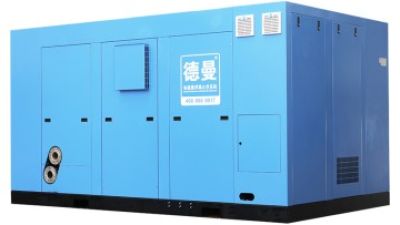
Large Screw Air Compressor
. They may rely on reviews and recommendations, but these can be misleading. Ensuring reliability is vital. Educating consumers about the key features of compressors can help guide their purchasing decisions. Buyers need to consider factors like maintenance and energy consumption wisely.
Pricing also plays a crucial role in market dynamics. Some high-quality models are expensive, yet they deliver long-term value. Balancing cost and quality is essential. Awareness of various options can help companies make informed choices. Despite potential pitfalls, the future of China's large air compressor market looks promising. Continued development in technology and customer education will drive success.
Key Features to Look for in High-Quality Air Compressors
When choosing a high-quality large air compressor, key features are essential. Firstly, assess the compressor's air output and pressure. Look for models with a CFM (Cubic Feet per Minute) rating suitable for your applications. Data shows that a compressor with a CFM of 10-20 can handle basic pneumatic tools. For industrial use, a CFM above 20 is often necessary.
Next, consider durability and maintenance. Some compressors are built with robust materials that require less frequent service. Maintenance intervals can significantly impact productivity. A study indicated that compressors needing less maintenance can save businesses up to 15% on operational costs. An efficient air filter system is also crucial. Dust and debris can hinder performance and longevity, leading to potential operational failures.
Additionally, noise levels should not be overlooked. Many users prioritize quiet operation, especially in work environments. Compressors with noise levels below 75 dB are preferable for indoor use. However, some models may produce more noise, which can be a drawback in sensitive areas. Finally, examine energy efficiency ratings. Compressors that meet high efficiency standards can significantly lower energy bills over time. Remember, choosing the right compressor isn't just about specifications; it's about understanding your specific needs and environment.
Leading Suppliers of Large Air Compressors in China: A Comparative Analysis
When examining the market for large air compressors in China, several factors stand out. Quality, efficiency, and durability are crucial. Many suppliers offer a variety of models tailored to different industrial needs. Understanding these options is essential for making an informed choice.
Tips for choosing the right supplier include checking their manufacturing standards. Are they ISO certified? This certification can indicate reliability. Additionally, studying customer reviews may provide insight into product performance. Pay attention to how suppliers handle after-sales support. Good service can significantly impact your experience over time.
In comparing suppliers, look at their technical expertise. Their knowledge can help you select the best compressor for your application. Some suppliers have been in the industry for decades, bringing invaluable experience. However, not all older companies adapt to new technologies. Stay cautious of suppliers too attached to outdated practices. Emerging firms may embrace innovation and offer modern solutions. Balancing experience and innovation is key to finding the best option.
Market Trends and Growth Projections for Air Compressors in 2026
The air compressor market is projected to experience significant growth by 2026.
According to a market report by ResearchAndMarkets, the global air compressor market is anticipated to expand at a
CAGR of over 5% from 2021 to 2026. This growth is largely driven by the rising demand
for energy-efficient solutions across various industries. Innovating technology such as
variable speed drives contributes to this trend. These technologies promise efficiency improvements that can help businesses
reduce operational costs.
The increasing production capacity in various sectors, particularly in manufacturing, drives the adoption of high-quality
air compressors. For example, industries utilizing
Air Compressor 100 Hp Air Cooled
systems are expected to see a surge in demand. These compressors provide robust solutions for high-volume applications.
However, challenges remain, such as supply chain disruptions and the need for sustainable manufacturing practices. The
industry must also address maintenance concerns, as compressors that lack regular service can suffer performance issues.
In terms of geographical growth, the Asia-Pacific region is poised for substantial market share. This is due to rapid
industrialization and urbanization. Reports suggest that the demand for air compressors in this region could drive closer
to 40% of the total market by 2026. Yet, the rising competition may pressure
suppliers to innovate continuously. Balancing quality, efficiency, and cost remains a critical challenge in meeting the
market's evolving demands.
Technical Specifications: Understanding Air Compressor Performance Metrics
When selecting a large Air Compressor, understanding performance metrics is key. Key specifications often referenced include airflow rate, pressure, and power consumption. For example, the airflow rate is measured in cubic feet per minute (CFM). A common benchmark is 100 CFM for large-scale industrial applications. This metric indicates how much air the compressor can deliver.
Pressure is another crucial factor. Operating pressure, measured in pounds per square inch (PSI), significantly affects performance. Many standard air compressors operate between 70 to 120 PSI. However, more demanding applications might require higher pressures, which complicates system design. Consistent performance is vital, but not all compressors maintain pressure effectively under load.
Power consumption also plays a significant role in cost efficiency. Compressors with high CFM ratings may use more electricity, leading to increased operational costs. According to industry research, energy costs can account for up to 75% of the total lifecycle cost of an air compressor. Choosing a model that balances power and efficiency requires careful consideration. Users often overlook the importance of maintenance and its impact on these metrics. Regular inspection can enhance performance and longevity.
Case Studies: Success Stories of Top Air Compressor Suppliers in China
In the competitive world of air compressor suppliers in China, several success stories stand out. One supplier focused on delivering high-quality products like the
15kw Air Compressor.
Their strategy involved investing heavily in research and development. This led to innovative designs that improved efficiency and durability.
Their commitment to quality attracted a loyal customer base, particularly in industries requiring reliable air supply.
Another noteworthy case is a supplier known for exceptional customer service. They made it their mission to understand client needs deeply.
This approach often involved visiting factories and providing tailored solutions. The result? Increased customer satisfaction and long-term partnerships.
However, they had challenges too. Balancing rapid growth with consistent service quality proved difficult at times.
Reflecting on these experiences can help future suppliers navigate similar paths.
Lastly, a leading supplier achieved success by adapting to market trends. They recognized the demand for eco-friendly options
and developed energy-efficient models. The response was overwhelmingly positive, but sustainability efforts also came with hurdles.
Sourcing green materials remained a challenge. Despite these issues, their proactive approach demonstrated how adaptability can lead to success in the air compressor market.
Regulatory Standards and Certifications for Air Compressors in China
When considering high-quality air compressors in China, understanding the regulatory standards is crucial. The country has set strict guidelines to ensure efficiency and safety. These standards cover aspects like energy consumption, noise levels, and emissions. Compliance with these regulations helps manufacturers maintain product quality.
It's worth noting that while many suppliers claim high standards, not all meet the necessary certifications. Consumers must be vigilant. Conducting due diligence is key. Look for suppliers that provide documentation of their compliance with national and international standards. This approach fosters trust and reliability.
Additionally, awareness of emerging standards is essential. As technology evolves, regulations may change, requiring constant adaptation. Companies frequently face challenges in meeting these new benchmarks. Staying informed and flexible allows businesses and consumers to navigate this complex landscape. A proactive stance benefits everyone involved in the industry.
Revolutionizing Air Compression: The Advantages of Magnetic Levitation Centrifugal Air Compressors
The evolution of air compression technology has taken a significant leap forward with the introduction of magnetic levitation centrifugal air compressors. This innovative design utilizes magnetic levitation bearing technology, which eliminates mechanical contact between the moving parts. This breakthrough not only enhances operational efficiency but also contributes to impressive energy savings ranging from 20% to 50%. According to industry reports, energy consumption is a critical factor for manufacturers, and the adoption of this advanced compressor can significantly reduce operational costs over time.
Furthermore, the magnetic levitation centrifugal compressor is designed to deliver 100% oil-free compressed air, making it an ideal choice for industries that require high air quality, such as pharmaceuticals, food and beverage, and electronics. The absence of lubricating oil not only ensures cleaner air supply but also minimizes environmental impact. Additionally, the system’s architecture leads to ultra-low maintenance costs, as there are no lubricants or related consumables to manage. This characteristic is particularly appealing in sectors where downtime and maintenance can incur substantial costs.
Moreover, the operational sound of these compressors is exceptionally quiet and stable, addressing one of the common issues faced in traditional compressor designs. This quiet operation enhances workplace comfort, making magnetic levitation centrifugal compressors a preferable option for businesses looking for solutions that align with energy efficiency, reliability, and low maintenance. As industries continue to innovate, the shift towards such cutting-edge technologies is paving the way for a more sustainable and efficient future in air compression.
FAQS
: The growth is driven by expanding industries, particularly manufacturing and construction.
Reliability affects productivity and equipment efficiency. Unreliable compressors can lead to operational delays.
Customers should educate themselves about key features. Evaluating maintenance needs and energy use is essential.
Common metrics include airflow rate (CFM), operating pressure (PSI), and power consumption.
Pricing impacts choices. Some high-quality models cost more but offer long-term value. Balancing cost with quality is necessary.
Regular inspections are crucial. Maintenance can improve efficiency and extend the lifespan of the compressor.
High power consumption can significantly increase operational costs. Users should look for efficient models.
A benchmark airflow rate for these applications is around 100 CFM.
No, not all compressors perform consistently under load. Choosing a reliable model is vital.
Buyers often rely on misleading reviews. They may overlook essential features related to performance and maintenance.
Conclusion
The article titled "2026 Best China High-Quality Large Air Compressor Supplier Recommendations" provides an in-depth overview of the large air compressor market in China as it stands in 2026. It highlights key features that consumers should consider when selecting high-quality air compressors, emphasizing aspects such as durability, efficiency, and maintenance requirements.
A comparative analysis of leading suppliers reveals market trends and growth projections, showcasing the dynamic nature of the industry. Furthermore, it delves into critical technical specifications that help in understanding air compressor performance metrics, complemented by case studies of successful suppliers. Lastly, the article outlines the relevant regulatory standards and certifications that ensure air compressors meet safety and operational guidelines in China, providing a comprehensive guide for businesses aiming to invest in large air compressor solutions.