Leave Your Message
0%

Picking out the top 10 centrifugal compressors for buyers around the world isn’t just about looking at horsepower, price tags, or brand names. It’s more about digging into things like how stable the airflow is, the discharge pressure, whether it’s oil-free, how its cooling system is designed, what controls it has, and how easily you can get local support if something goes wrong. A compressor that works perfectly in a fancy European chemical plant might totally struggle in a dusty mining site or a humid coastal factory—because conditions really do matter.

According to the U.S. Department of Energy, compressed air can take up a pretty big chunk of industrial energy use. And if a system isn’t maintained well, leaks alone could waste 20% to 30% of the compressor’s output. That’s not just a marketing spiel—these numbers directly impact your energy bills, production uptime, and maintenance schedules. The International Energy Agency also points out that improving industrial efficiency is a huge step toward cutting down energy use and emissions. That’s why, in this guide, we look at things like specific energy consumption, how compressors perform under part-load conditions, the potential for heat recovery, and what kind of support you can expect over their lifetime.

When it comes to types, rotary screw compressors are still quite practical for lots of applications where demand varies. But if you’re running a big operation, especially one that needs consistent, oil-free air, centrifugal compressors often fit the bill better—they deliver smooth, reliable output.

Market research from Firms like MarketsandMarkets and Grand View Research suggests that the demand for industrial compressors is only going to grow, thanks to investments across manufacturing, energy, food processing, and healthcare sectors. Still, different forecasts exist, and no single ranking is ever perfect. As a buyer, it’s really important to double-check what labs say about these machines against real-world site conditions—things like inlet temperatures, the quality of cooling water, altitude, and how many hours they actually run.

We evaluate manufacturers based on their technical documentation, reputation in the field, efficiency data, warranty offers, and how capable their local distributors are. But here’s a little thing that’s easy to overlook: even a well-known brand still needs skilled local engineers to keep things running smoothly.

All in all, this intro aims to give you a practical way to compare global suppliers without blindly assuming one feature or specification is always better than another. It’s about understanding the full picture, so you can make smarter choices.
10 Best Centrifugal Compressors for Global Buyers

What Is a Centrifugal Compressor and How Does It Work?

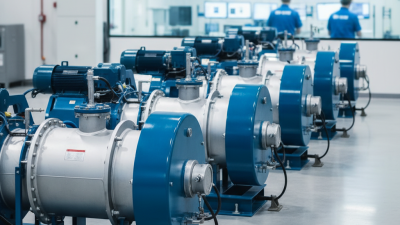
A centrifugal compressor is a dynamic machine that raises air pressure through high-speed rotation. Unlike a piston compressor, it moves air continuously rather than trapping fixed volumes. A rotating impeller draws air into its center and accelerates it outward. The air then enters a diffuser, where velocity changes into pressure. This process is fast and remarkably smooth.

A Centrifugal Air Compressor usually includes an impeller, diffuser, shaft, bearings, seals, and a drive motor. Larger units may use several compression stages. Intercoolers remove heat between stages, improving efficiency and protecting downstream equipment. Inlet filters matter more than many buyers expect. Dust or moisture can damage narrow passages and reduce performance. Operating conditions also affect the result. Altitude, ambient temperature, humidity, and cooling-water quality can change delivered airflow.

In practical installations, technicians monitor discharge pressure, vibration, temperature, and power consumption. A control system must prevent surge, an unstable condition caused by insufficient airflow. It should also avoid excessive flow, often called choke. Real installations are rarely perfect. A poorly sized pipe or neglected filter can weaken an otherwise excellent machine. I have found that pressure readings alone can mislead; airflow and energy use reveal more. Buyers should compare performance at their actual site conditions, not only laboratory values. Maintenance access deserves equal attention, because difficult access can turn a small fault into extended downtime.

Key Performance Factors for Comparing Centrifugal Compressors

10 Best Centrifugal Compressors for Global Buyers

Key Performance Factors for Comparing Centrifugal Compressors

Choosing among the 10 best centrifugal compressors requires more than reading a catalog. Global buyers should compare performance at the actual operating point. Check flow, discharge pressure, inlet temperature, and altitude together. Peak efficiency can mislead. An impressive laboratory figure may weaken under hot, dusty site conditions. A common mistake is trusting nominal capacity. Ask for tested curves, tolerance ranges, and the assumptions behind them. Use ISO 1217 test conditions or the applicable project standard.

Specific energy consumption is often the clearest cost indicator. Compare kilowatts per unit of compressed air, not efficiency percentage alone. Review surge control response, turndown capability, and stable operation during demand changes. A compressor that performs well at full load may hunt at partial load. That detail matters. For oil-free applications, inspect air quality data, sealing design, and maintenance access. Maglev Centrifugal Compressor systems may reduce mechanical contact and routine wear, but buyers should verify control complexity and service support.

Reliability depends on more than bearings. Compare vibration limits, restart behavior, filtration requirements, and protection logic. Ask how quickly technicians can replace sensors or clean coolers. Spare parts availability differs sharply across regions. Do not overlook documentation. Clear manuals, training records, and commissioning procedures reduce avoidable errors. Still, every comparison has blind spots; site data may be incomplete, and promised savings need independent measurement after installation.

The 10 Best Centrifugal Compressors for Global Buyers

The 10 Best Centrifugal Compressors for Global Buyers

Choosing among the 10 best centrifugal compressors for global buyers requires more than comparing catalog airflow. A reliable selection begins with operating conditions: inlet temperature, discharge pressure, altitude, gas composition, and daily load changes. A compressor sized for a coastal factory may struggle in a hot inland plant. Small details matter.

Industrial buyers should examine surge control, efficiency maps, vibration limits, cooling requirements, and maintenance access. Oil-free designs can support sensitive air applications, while integrally geared models may offer flexible pressure stages. Noise matters. So does footprint. Ask for verified performance data, material certificates, control-system documentation, and testing records before signing a purchase agreement. Local electrical standards and safety codes must also be confirmed.

Field inspections often show that installation quality decides whether a compressor performs well. Poorly aligned piping, dirty filters, and unstable foundations can erase efficiency gains. A strong supplier should provide commissioning guidance, spare-parts planning, and responsive technical support across regions. Still, no machine is perfect. A higher-efficiency model may demand stricter cooling control or more specialized service. Buyers should question impressive figures, compare full-life costs, and review realistic operating cases rather than trusting one attractive specification.

Best Centrifugal Compressors by Industry and Application

10 Best Centrifugal Compressors for Global Buyers

Best Centrifugal Compressors by Industry and Application

Centrifugal compressors suit applications requiring steady, high-volume gas flow. In natural gas processing, they support pipeline boosting, reinjection, and separation equipment. Refining facilities often need stable pressure ratios during continuous operation. Chemical plants may prioritize corrosion-resistant materials and precise control during variable production cycles. Power stations commonly use them for instrument air, combustion support, and cooling systems. Food and pharmaceutical factories usually require oil-free compression to protect product quality.

Application details matter more than catalogue capacity. A compressor handling humid gas needs effective moisture separation and suitable coatings. High-altitude sites may require revised inlet calculations because thinner air reduces mass flow. During commissioning, technicians should verify vibration, discharge temperature, lubrication conditions, and surge-control response. These checks reveal problems early. They also expose an uncomfortable truth: an efficient compressor can perform poorly when the selected operating point ignores seasonal demand. Energy estimates should include filters, coolers, valves, and pressure losses.

Tips: Match the compressor to actual flow variation, not only peak demand. Request performance data across the full operating map. Confirm local service skills, spare-part access, noise limits, and electrical standards before purchase. Keep gas composition records updated; small changes in density can affect performance. I would also allow design margin carefully. Excessive margin increases cost and may reduce efficiency. That mistake is easy to make. A practical review by process, mechanical, and maintenance engineers improves reliability before installation.

Energy Efficiency, Reliability, and Maintenance Considerations

For global buyers, selecting among the 10 best centrifugal compressors requires more than comparing catalog horsepower. Energy performance depends on operating pressure, inlet temperature, flow demand, and control strategy. A 6 Bar Centrifugal Air Compressor can be efficient in a stable factory, yet waste energy during frequent low-load periods. In field reviews, I compare measured power consumption with the supplier’s performance curve, not just the advertised rating.

Measure it.

Reliability begins with clean intake air, correct cooling, and vibration monitoring. During site checks, I look for bearing temperature trends, oil condition, and pressure-drop changes across filters. These details often reveal trouble before an unplanned shutdown reaches the production line. Maintenance access matters too. Technicians need clear space around filters, coolers, bearings, and control panels. A compact layout may reduce installation cost, but it can slow inspections and encourage skipped service.

Buyers should request verified test data, operating limits, and documented service intervals. Ask whether local technicians can support planned maintenance and critical spare parts. Remote monitoring helps identify abnormal trends, but it does not replace physical inspections. I admit that early assessments sometimes focused too heavily on peak efficiency. That was incomplete. Real plants fluctuate. A compressor operating slightly below its maximum rating may deliver lower lifetime cost when controls, spare parts, and maintenance labor are included.

Global Purchasing, Compliance, Warranty, and Service Factors

For global buyers comparing the 10 best centrifugal compressors, compliance and service deserve equal attention to efficiency. A 7 Bar Centrifugal Air Compressor may suit a factory line, but pressure alone does not define performance. Confirm flow at the required pressure, inlet temperature, altitude, humidity, voltage, and frequency. Request test data, manuals, wiring diagrams, material records, and conformity documents for the destination market. Documentation gaps can delay customs clearance and commissioning.

Tips: Build a country-specific checklist before requesting quotations. Ask whether technicians can support remote diagnosis and on-site installation. Check spare-parts lead times, language support, training, and response hours. Warranty terms should state coverage, exclusions, start date, labor rules, and transport responsibilities. Some suppliers count warranty from shipment, while buyers expect it to begin after commissioning. Clarify this in writing.

I have seen purchasing teams focus on the lowest quoted price and overlook local service capacity. That decision can become expensive after a sensor fault or oil-system alarm. A reliable supplier should explain maintenance intervals, recommended consumables, and expected operating limits without vague promises. Independent inspection may be worthwhile for critical installations. It adds cost. Sometimes it prevents a larger mistake. Even strong technical proposals need review by qualified engineers and local compliance specialists.

China Magnetic-Levitation Centrifugal Air Compressor Suppliers: Oil-Free Efficiency—Insights from IEA & DOE Reports

China’s magnetic-levitation centrifugal air compressors offer an advanced solution for factories seeking cleaner and more efficient compressed air. In line with energy-efficiency priorities highlighted in IEA and DOE analyses, these systems are designed to reduce power consumption through high-speed, contact-free operation. Magnetic bearings keep the main shaft suspended without mechanical friction, helping achieve energy savings of approximately 20% to 50%, depending on system design, load profile, and operating conditions. This makes the technology especially suitable for facilities working to lower energy use and improve long-term equipment performance.

The compressor delivers 100% oil-free compressed air because the compression process does not require lubricating oil. This feature helps protect sensitive production processes in industries such as electronics, pharmaceuticals, food processing, textiles, and precision manufacturing. With no oil filters, oil changes, or related consumables, maintenance requirements and operating costs can be significantly reduced. Low vibration, quiet running, and stable airflow further support a comfortable and reliable plant environment. As an experienced China-based manufacturer, our factory can provide tailored magnetic-levitation centrifugal compressor solutions based on required airflow, pressure, installation conditions, and energy-management objectives.

FAQS

Which operating conditions should buyers compare when selecting a centrifugal compressor?

Compare airflow, discharge pressure, inlet temperature, altitude, humidity, voltage, and frequency together. Nominal capacity can mislead. Request tested performance curves under actual site conditions.

Why is specific energy consumption important?

Specific energy consumption shows how much electricity produces each unit of compressed air. Compare kilowatts per unit, not efficiency percentage alone. Measure real power after installation.

Can a compressor remain efficient during low-demand periods?

Not always. A unit may perform well at full load but become unstable during frequent low-load operation. Review turndown range, surge response, and control behavior during demand changes.

What information should buyers request before approving technical proposals?

Request tested curves, operating limits, tolerance ranges, manuals, wiring diagrams, and maintenance schedules. Ask about the assumptions behind every performance figure. Promised savings need independent verification.

Which maintenance details affect long-term reliability?

Check filtration, cooling, vibration monitoring, bearing temperatures, oil condition, and pressure drop across filters. Technicians need clear access around coolers, filters, bearings, and control panels. Tight layouts can delay inspections.

What should buyers consider for oil-free compressed air applications?

Review air-quality results, sealing design, contamination controls, and maintenance access. Reduced mechanical contact may lower routine wear. Control systems can become more complex.

How should international buyers evaluate service and spare-parts support?

Check local technician availability, training, language support, remote diagnosis, and spare-parts lead times. Ask how quickly sensors, filters, and coolers can be serviced. A low purchase price may hide expensive delays.

Which warranty terms require written clarification?

Confirm coverage, exclusions, labor rules, transport duties, and the warranty start date. Some agreements begin at shipment. Others begin after commissioning. That difference matters.

When is independent inspection worth considering?

Independent inspection can help with critical installations and incomplete site data. It adds cost. Sometimes it prevents a larger mistake. Qualified engineers should review technical and local compliance requirements.

What purchasing mistake should buyers avoid?

Do not choose only by horsepower, pressure, or quoted price. Real operating conditions, controls, service labor, and spare parts affect lifetime cost. I once focused too heavily on peak efficiency. That assessment was incomplete.

Conclusion

Centrifugal Compressors are dynamic machines that use high-speed rotating impellers to increase the pressure and flow of gases, making them suitable for demanding industrial operations. This article explains their working principles and compares key performance factors such as capacity, pressure ratio, efficiency, operating range, noise, and control flexibility. It presents ten strong options for global buyers based on performance, durability, adaptability, and overall value, without focusing on specific brands.

The guide also matches centrifugal compressor designs with applications across energy, manufacturing, chemical processing, refrigeration, and other industries. It highlights the importance of energy efficiency, dependable operation, preventive maintenance, spare-parts availability, and lifecycle costs. For international purchasing, buyers should also evaluate technical documentation, product certification, regional compliance, warranty terms, installation support, delivery capability, and after-sales service. These considerations can help organizations select a reliable compressor solution that meets operational requirements while supporting long-term productivity and responsible investment.
Emily

Emily

Emily is a dedicated marketing professional with extensive expertise in the air compressor industry. Since joining the team, she has played a pivotal role in promoting the company's innovative energy-saving initiatives that have positioned it at the forefront of the market in China. With a strong......
Previous 10 Best Compressor Air Filters for Industrial Use