Picking out an industrial air compressor in 2026 isn't just about checking horsepower or the price tag on the sticker. The real decision actually happens once you start thinking about where and how you'll be using it. I mean, a dusty workshop, a food-processing line, and a tiny, precise assembly station—they all need totally different air quality, pressure stability, and maintenance routines. For example, a 7.5 kW compressor might be just fine for occasional tools, but if you're running a continuous production line, you’d probably need a few units with variable speed controls and some smart automatic sequencing. Small details really do matter here.
Also, energy consumption is a big deal—don’t forget that. The U.S. Department of Energy’s guide on improving compressed air systems points out that about 20–30% of compressed air output can be lost through leaks, bad maintenance, or not-so-great controls. The Carbon Trust highlights that compressed air can be a significant chunk of industrial electricity costs, and the International Energy Agency keeps reminding everyone that motor-driven systems are huge energy hogs. With all that in mind, the overall lifecycle cost ends up being way more important than just the initial price. A cheaper compressor might seem like a steal, but it can end up costing a lot more over time if it runs unloaded, overheats, or needs constant fixing.
This guide covers everything—from oil-injected versus oil-free compressors, rotary screw versus reciprocating tech, to air dryers, filtration, storage options, controls, and monitoring tools. It also touches on ISO 1217 for testing performance and ISO 50001 for energy management. But hey, don’t get caught relying solely on specs on paper. Site measurements can sometimes be incomplete, and your future needs might be a little off. That’s why it’s smart to combine manufacturer info, your own operating records, leak surveys, and advice from real professionals who know compressed air inside out. The biggest machine isn't always the best choice—it’s about finding the system that gives you stable air, good quality, efficiency you can measure, and dependable performance throughout its life.”
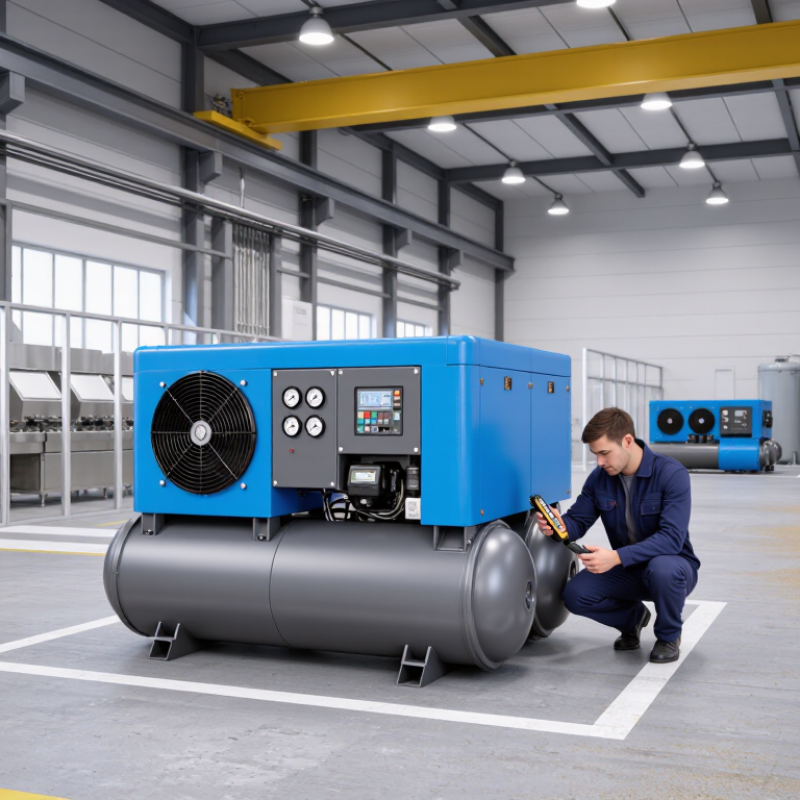
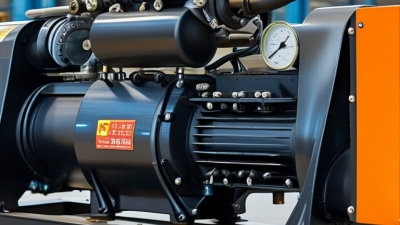
An industrial air compressor converts electrical energy into pressurized air for tools, valves, conveying systems, and production equipment. In a typical Industrial Screw Air Compressor, an electric motor turns two interlocking rotors. These rotors draw in atmospheric air, reduce its volume, and raise its pressure inside the airend. Oil may cool and seal the compression chamber. A separator removes oil from the discharge stream, while a cooler lowers air temperature.
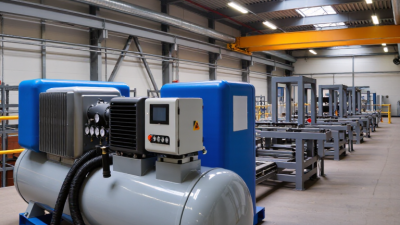
The compressed air then enters a receiver tank, where demand fluctuations become less disruptive. Filters remove particles and moisture. A dryer protects pneumatic components from corrosion and freezing. The U.S. Department of Energy reports that compressed air can represent about 10% of electricity use in industrial facilities. That figure makes leakage and poor control impossible to ignore. A small hiss near a fitting can run continuously, wasting energy after every shift.
Pressure is not the same as useful airflow. A system may show 7 bar at the compressor but deliver much less at a distant machine. The Compressed Air Challenge recommends checking pressure drop, leakage, duty cycle, and actual demand before selecting capacity. The textbook diagram looks clean. Real plants are not. Heat, dust, undersized pipes, and irregular production schedules complicate selection. ISO 1217 provides testing methods for compressor performance, but field conditions still require careful verification. Higher capacity is not automatically better; oversizing can create inefficient cycling and unstable control.
Defining compressed air requirements begins with the facility, not the equipment catalogue. Walk through each production area and list every air-consuming device. Record its pressure, airflow, duty cycle, and operating schedule. Air tools may need short bursts, while pneumatic conveyors can consume air continuously. Measure the actual demand when possible. A calibrated flow meter provides stronger evidence than an old purchase record.
Pressure requirements must reflect the most demanding application. If one machine needs 7 bar, operating the entire system at 9 bar may waste energy. Check pressure losses through filters, dryers, pipes, valves, and flexible hoses. Also identify air quality needs. Food processing, electronics, and painting may require cleaner, drier air than general workshop tools. These details influence the correct dryer, filtration, and receiver tank size.
Demand changes during shifts. Start-up loads, future equipment, and seasonal production should be included. However, adding excessive capacity can create short cycling and unnecessary energy use. Our initial estimate is rarely perfect. A spreadsheet can hide leaks and unusual demand spikes. Compare calculated demand with measured readings during peak production. For a facility choosing an Industrial Rotary Screw Air Compressor, stable continuous demand may support efficient operation, but the final selection should match real pressure, flow, air quality, and maintenance conditions. A quiet morning reading is not enough.
| Facility or Application Profile | Typical Compressed-Air Demand | Recommended Operating Pressure | Suitable Compressor Arrangement | Indicative Air Receiver Capacity | Required Air Treatment | Key Sizing and Selection Considerations |
|---|---|---|---|---|---|---|
| Small workshop and maintenance area |
10–30 scfm 0.28–0.85 m³/min |
7–8 bar(g) 102–116 psi(g) |
Single rotary-screw or reciprocating compressor; intermittent-duty operation may be acceptable. |
200–500 L 53–132 US gal |
Particulate pre-filter, refrigerated dryer where indoor piping is used, and automatic condensate drainage. | Account for pneumatic tools, leaks, and short peak loads. Avoid selecting a compressor solely from motor horsepower. |
| General manufacturing plant |
50–250 scfm 1.4–7.1 m³/min |
7–8 bar(g) 102–116 psi(g) |
Variable-speed rotary-screw compressor for variable demand; fixed-speed unit may support a stable base load. |
1,000–3,000 L 264–793 US gal |
Coalescing filtration, refrigerated dryer, oil-water separator where applicable, and condensate management. | Measure minimum, average, and peak flow. Keep distribution pressure loss low and maintain a usable control range. |
| Automotive assembly and production lines |
200–800 scfm 5.7–22.7 m³/min |
6.5–8 bar(g) 94–116 psi(g) |
Multiple rotary-screw compressors with lead-lag sequencing and standby capacity for critical production. |
3,000–10,000 L 793–2,642 US gal |
Refrigerated or desiccant drying based on dew-point requirements; point-of-use filters for sensitive tools. | Separate intermittent high-flow users from continuous users. Verify pressure stability during simultaneous tool operation. |
| Metal fabrication and CNC machining |
100–500 scfm 2.8–14.2 m³/min |
7–10 bar(g) 102–145 psi(g) |
Rotary-screw system with sequencing; oil-free technology may be selected when process contamination is unacceptable. |
2,000–8,000 L 528–2,113 US gal |
Dryer and high-efficiency filtration; additional oil removal for clean machining or instrument-air applications. | Include blow-off demand, tool-change peaks, and chip-removal air. Review whether higher pressure is truly required. |
| Food and beverage processing |
100–600 scfm 2.8–17.0 m³/min |
6–8 bar(g) 87–116 psi(g) |
Oil-free compressor for air that contacts products or packaging; redundant units are preferred for critical processes. |
2,000–10,000 L 528–2,642 US gal |
Dryer, particulate and coalescing filters, validated air-quality controls, and hygienic condensate handling. | Define whether air is product-contact, packaging-contact, or general utility air. Specify dew point and filtration by risk level. |
| Pharmaceutical and laboratory facility |
30–300 scfm 0.85–8.5 m³/min |
6–8 bar(g) 87–116 psi(g) |
Oil-free compressor package with duty/standby configuration and monitored air quality. |
1,000–5,000 L 264–1,321 US gal |
Desiccant dryer when a low pressure dew point is required, sterile or membrane filtration where specified, and continuous monitoring. | Document quality requirements before selecting equipment. Consider validation, redundancy, noise, heat rejection, and service continuity. |
| Textile manufacturing |
300–1,500 scfm 8.5–42.5 m³/min |
6–8 bar(g) 87–116 psi(g) |
Parallel rotary-screw compressors with automatic sequencing; variable-speed control helps follow production changes. |
5,000–20,000 L 1,321–5,283 US gal |
Refrigerated dryer for general plant air; desiccant dryer for low-dew-point processes or humid environments. | High-volume intermittent air may require local receivers. Evaluate humidity, lint protection, cooling, and continuous operating hours. |
| PET bottle blowing and high-pressure process air |
500–2,000 scfm 14.2–56.6 m³/min |
25–40 bar(g) 363–580 psi(g) |
Dedicated high-pressure reciprocating or multi-stage centrifugal system, normally separate from low-pressure plant air. |
3,000–15,000 L 793–3,963 US gal |
High-pressure drying and filtration selected for the process and product-contact requirements. | Use a separate pressure system where practical. Confirm compressor flow at the required discharge pressure and temperature. |
| Instrument air and control systems |
20–150 scfm 0.57–4.25 m³/min |
6–8 bar(g) 87–116 psi(g) |
Oil-free or carefully treated oil-injected compressor with duty/standby arrangement for process-critical controls. |
500–3,000 L 132–793 US gal |
Desiccant dryer, fine coalescing filtration, particulate filtration, and low pressure dew-point control. | Size for the highest simultaneous demand and the required autonomy during compressor trips. Protect valves and actuators from moisture. |
| Wastewater treatment and outdoor utility service |
100–1,000 scfm 2.8–28.3 m³/min |
5–8 bar(g) 73–116 psi(g) |
Rotary-lobe blower for aeration or rotary-screw compressor for general utility air; use multiple units for variable basin demand. |
1,000–8,000 L 264–2,113 US gal |
Moisture separation, particulate filtration, weather protection, and corrosion-resistant condensate drainage. | For aeration, calculate airflow from oxygen-transfer requirements rather than using a general plant-air estimate. |
Choosing an industrial air compressor starts with the air demand, not the advertised motor size. Reciprocating compressors suit intermittent, high-pressure tasks and smaller workshops. Rotary screw models provide steady airflow for production lines and long operating hours. Centrifugal compressors fit large facilities with stable, high-volume demand. A poor match can create heat, noise, and unnecessary maintenance.
Technology changes operating costs. Oil-injected screw compressors often deliver efficient general-purpose air, while oil-free designs support sensitive processes. Variable-speed drive systems adjust output as demand changes. Fixed-speed units may remain practical where demand stays constant. Check actual flow, pressure, duty cycle, and start-stop frequency. A site survey is more reliable than a catalog estimate. Small leaks can distort the calculation.
Configuration matters as much as compressor type. Compare single and duplex arrangements, receiver size, dryers, filters, controls, and ventilation space. Redundancy protects production when one unit needs service. Pressure loss across filters may appear minor, yet it can raise energy use over months. I have seen systems oversized because future demand was guessed too generously. That decision is not always wrong, but it deserves review. Record hourly demand and seasonal changes before selecting the final arrangement.
2026 How to Choose an Industrial Air Compressor?
Pressure should match the tools, not exceed them. An Industrial Low Pressure Compressor may suit conveying, aeration, packaging, or light-duty pneumatic equipment. Check the required operating pressure at the point of use. A long pipe run can create unexpected pressure loss. I once saw a system showing adequate pressure at the compressor, while the farthest machine stalled repeatedly. The gauge was not the real problem.
Flow rate deserves equal attention. Compare the equipment’s required airflow with the compressor’s actual free air delivery, not its marketing displacement. Add demand from leaks, cleaning, and future expansion. Keep a practical reserve, but avoid excessive capacity. Oversizing often increases cycling, energy use, and maintenance. Measure leaks with the system idle. Listen near fittings.
Efficiency includes more than motor ratings. Review specific power, control methods, cooling needs, and expected operating hours. Variable demand may favor responsive capacity control, but complicated controls require skilled service. Air quality must also match the process. Inspect the required filtration level, moisture removal, oil carryover limits, and receiver drainage. A clean-looking installation can still produce wet air. Test downstream air periodically. My own early evaluations focused too heavily on purchase price; energy and filter replacement later changed the calculation. Ask for test conditions, maintenance records, and independently verified performance data before approving the installation.
Selecting the right compressor begins with measured demand, not the largest motor available. Record flow, pressure, operating hours, and peak loads across several production shifts. The U.S. Department of Energy reports that compressed air can consume 10–30% of industrial electricity. Oversizing therefore creates a costly problem. It can increase unloaded running, cycling, and wasted energy. A receiver tank can absorb short peaks, while staged compressors can follow changing demand more efficiently.
Control selection matters as much as compressor size. A fixed-speed unit suits a stable base load. Variable-speed control can respond to fluctuating demand, but it may perform poorly when operated outside its efficient range. Use a master sequencing controller when multiple units share one header. Set the pressure band carefully. Excess pressure increases leakage and energy use; the DOE notes that leaks may waste 20–30% of compressor output in poorly maintained systems.
Do not rely on a single afternoon reading. ISO 11011 recommends evaluating compressed-air systems through measurement and analysis. Check pressure at the compressor and at the furthest machine. A five-minute peak may not justify another full-size compressor. A 10% design margin sounds prudent, but it can still be excessive in a low-load plant. I would review the demand profile after installation, because real production rarely follows the spreadsheet. Controls also need trained operators, clear alarms, and periodic leak testing. Fancy automation cannot repair inaccurate data.
2026 How to Choose an Industrial Air Compressor?
Choosing an industrial air compressor starts with installation realities, not brochure capacity. Measure floor space, ambient temperature, airflow, and electrical supply before comparing models. Leave service clearance around filters, belts, valves, and coolers. A compressor placed beside a hot wall may run continuously and fail earlier. I have seen this mistake on busy production floors. It was avoidable. Confirm pipe sizes and drainage points with a qualified technician. Check whether the foundation can handle vibration and operating weight.
Maintenance planning should begin before commissioning. Request service intervals, replacement part availability, and clear fault records. Include an Industrial Refrigerated Air Dryer when moisture could damage tools, controls, or finished products. Inspect condensate drains regularly, especially in humid seasons. Safety needs physical guards, emergency isolation, pressure relief devices, and visible warning labels. Operators should understand lockout procedures and daily inspection checks. Follow applicable local safety requirements. Do not rely on training alone. Watch actual work practices.
Total cost of ownership includes purchase price, electricity, maintenance, downtime, cooling, and disposal. Record expected operating hours and compare energy use at realistic loads. A cheaper unit can become expensive when it cycles poorly or needs frequent repairs. Calculate five-year costs, but question uncertain energy forecasts. The spreadsheet can lie. Ask for measured performance data, not only estimates. Include technician travel and spare inventory. A small efficiency gain may matter greatly in a continuous process, while excessive capacity can waste power every hour.
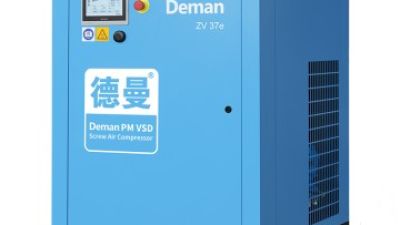
The ZVe Series Single-Stage PM VSD Air Compressor is designed to provide efficient, reliable, and smarter compressed air for modern industrial operations. Its high-efficiency permanent magnet motor works with variable speed drive technology to adjust output according to changing air demand. This helps maintain stable pressure while reducing unnecessary energy consumption, making the compressor a practical choice for facilities seeking better operating efficiency.
At its core, the single-stage twin-screw airend delivers smooth and dependable compressed air performance. The patented VSD control system supports accurate regulation and helps minimize pressure fluctuations during daily operation. With fewer wasted running hours and a design focused on dependable service, the compressor can contribute to lower operating costs and more consistent production processes.
The ZVe Series is also a cost-efficient option for customers who want reliable equipment without a large initial investment. It is particularly suitable for factories with modest compressed air requirements and annual operating schedules of less than 2,000 hours. By combining energy-saving technology, stable output, and straightforward operation, it offers a balanced solution for workshops and industrial applications that need practical compressed air performance.
It converts electrical energy into pressurized air for tools, valves, conveyors, and production equipment. An electric motor drives internal rotors. The rotors compress atmospheric air inside the airend. Oil may cool and seal the compression chamber. A separator removes oil, and a cooler lowers discharge temperature.
Compressed air enters a receiver tank after leaving the compressor. The tank reduces sudden pressure changes during production. Filters remove particles and moisture. A dryer helps prevent corrosion and freezing. Small leaks still waste energy.
Displayed pressure does not prove useful airflow at the machine. Long pipes, narrow fittings, filters, and hoses can reduce pressure. A compressor may show 7 bar while a distant tool receives much less. Measure flow near actual equipment when possible. The gauge can mislead.
List every air-consuming device in each production area. Record pressure, airflow, duty cycle, and operating schedule. Short tool bursts differ from continuous conveying demand. Use a calibrated flow meter instead of relying on old purchase records. Quiet mornings provide weak evidence.
Include future equipment and seasonal production in the estimate. Avoid excessive capacity because it can cause short cycling. Frequent cycling wastes electricity and may create unstable control. Compare planned demand with peak production measurements. Bigger is not always better.
The required filtration and drying depend on the application. Painting, electronics, and food production may need cleaner, drier air. General workshop tools may tolerate different conditions. Check moisture, particles, and oil concerns before selecting equipment. Do not guess.
Measure floor space, ambient temperature, ventilation, and electrical supply. Leave service clearance around filters, valves, belts, and coolers. Keep the compressor away from hot walls and dusty airflow. Check foundation strength, vibration, pipe sizes, and drainage points. Installation details are easy to underestimate.
Plan service intervals before commissioning the system. Confirm replacement parts, fault records, and technician access. Inspect drains regularly, especially during humid seasons. Use guards, emergency isolation, pressure relief devices, and visible warning labels. Training alone is insufficient.
Include purchase price, electricity, maintenance, cooling, downtime, and disposal. Estimate costs using realistic operating hours and load patterns. Request measured performance data instead of accepting optimistic forecasts. Include spare parts, technician travel, and possible production losses. The spreadsheet may lie.
Choosing the right Industrial Air Compressor begins with understanding how compressed air is generated, treated, stored, and distributed throughout a facility. The selection process should start by defining actual air demand, including required pressure, flow rate, operating hours, peak loads, and future expansion. From there, compare suitable compressor technologies and configurations according to duty cycle, available space, noise expectations, and production requirements.
A reliable decision also requires evaluating energy efficiency, air quality, control methods, and compressor sizing. The system should provide stable pressure without excessive capacity, while filtration, drying, and separation equipment should match the application. Installation conditions, ventilation, piping, safety protections, maintenance access, and service intervals are equally important. Finally, assess total cost of ownership by considering purchase price, energy consumption, maintenance, downtime, and expected operating life. A balanced evaluation will help facilities achieve dependable performance, controlled operating costs, and a compressed air system that can adapt to changing demands.