Leave Your Message
Optimized 20 HP compressed air modules designed to deliver maximum performance with minimum power consumption.
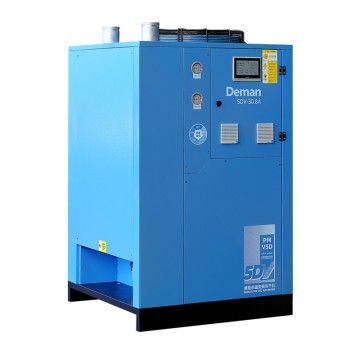

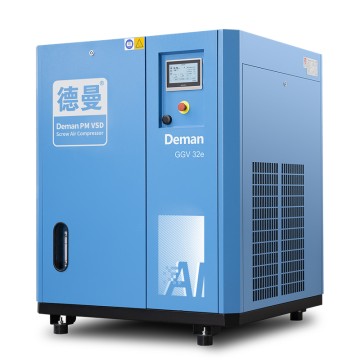
In the matrix of modern manufacturing, compressed air is frequently acknowledged as the "fourth utility." From powering delicate pneumatic actuators to driving heavy-duty CNC machining centers, the reliance on a stable, high-quality compressed air supply is absolute. Within this landscape, the 20 Hp air compressor has emerged as the definitive sweet spot for small-to-medium enterprises (SMEs) and localized decentralized manufacturing cells in larger plants.
Historically, industrial facilities installed oversized, centralized compressor stations. However, this configuration often results in significant pressure drops across extensive piping networks and massive energy losses during low-load production cycles. The contemporary industrial paradigm favors decentralized layouts. By deploying a 20 Hp air compressor directly at the point of use, factories dramatically mitigate piping friction losses, scale down energy consumption, and ensure localized pressure stability. A 20 Hp unit, typically delivering between 70 to 85 CFM (Cubic Feet per Minute) depending on the pressure rating, provides the optimal volume of air for automated assembly lines, packaging machinery, and precision metal fabrication without drawing excessive startup current or requiring immense installation footprints.
Energy costs represent approximately 70% to 80% of the total life-cycle cost of an industrial air compressor. With global energy tariffs fluctuating unpredictably and stringent carbon emission mandates being enforced worldwide, energy efficiency has transitioned from a corporate social responsibility (CSR) goal to a core survival strategy. A standard fixed-speed compressor operating in a dynamic factory environment wastes immense amounts of energy when running unloaded. When the air demand drops, the motor continues to spin at full speed, consuming up to 40% of its full-load power while producing zero compressed air.
This commercial reality has driven the rapid adoption of Permanent Magnet Variable Speed Drive (PM VSD) technology in the 20 HP segment. By aligning motor speed directly with real-time air demand, a PM VSD 20 Hp air compressor can reduce energy costs by up to 35% to 50% compared to traditional fixed-speed models. In a typical plant operating 8,000 hours a year, this energy reduction translates to thousands of dollars in annual savings, resulting in a return on investment (ROI) that is frequently realized in less than 18 months.
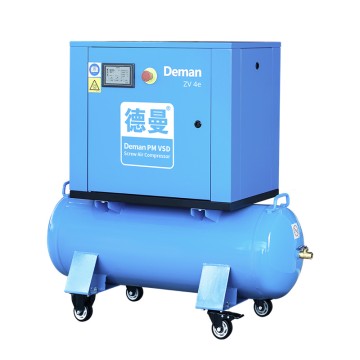
Modern factories are moving away from single, massive centralized compressor rooms. Instead, they deploy localized 20 Hp air compressor systems equipped with integrated dryers and air receivers. This approach minimizes pressure drop over long pipe runs, isolates system failures, and allows plants to run only the specific zones currently in production, yielding monumental utility savings.
The evolution of the 20 Hp air compressor is deeply intertwined with advancements in power electronics and artificial intelligence. The latest generations of these machines represent sophisticated thermodynamic and electronic systems rather than simple mechanical pumps. Two primary technologies dominate this evolution:
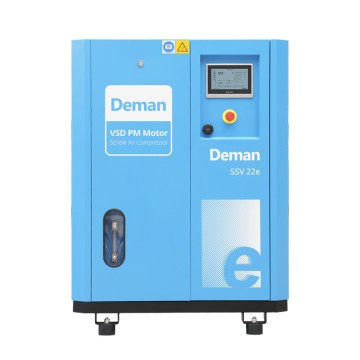
Traditional VSD compressors utilize standard induction motors driven by variable frequency drives. Modern high-efficiency 20 Hp compressors utilize Permanent Magnet (PM) synchronous motors. These motors do not have rotor copper losses and maintain exceptionally high efficiency even at low rotational speeds. This means that whether the plant is operating at 100% capacity or 20% capacity, the compressor's specific power consumption (kW/m³/min) remains optimized, preventing the energy degradation common in older systems.
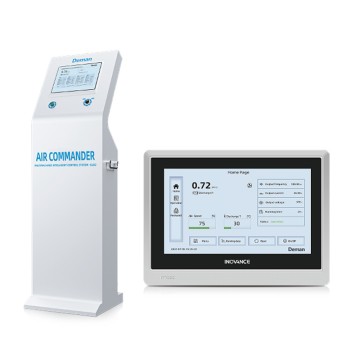
In multi-compressor installations, coordination is crucial. System setups utilizing advanced central controllers like the "Air Commander" Multi-Compressor Central Control System dynamically balance the load across multiple units. If a plant uses three 20 Hp compressors, the AI controller determines the optimal sequence—running one at full load, adjusting the second via VSD, and keeping the third on standby. This prevents rapid cycling, reduces mechanical wear, and maintains system pressure within a tight, highly efficient window (often within ±0.1 bar).
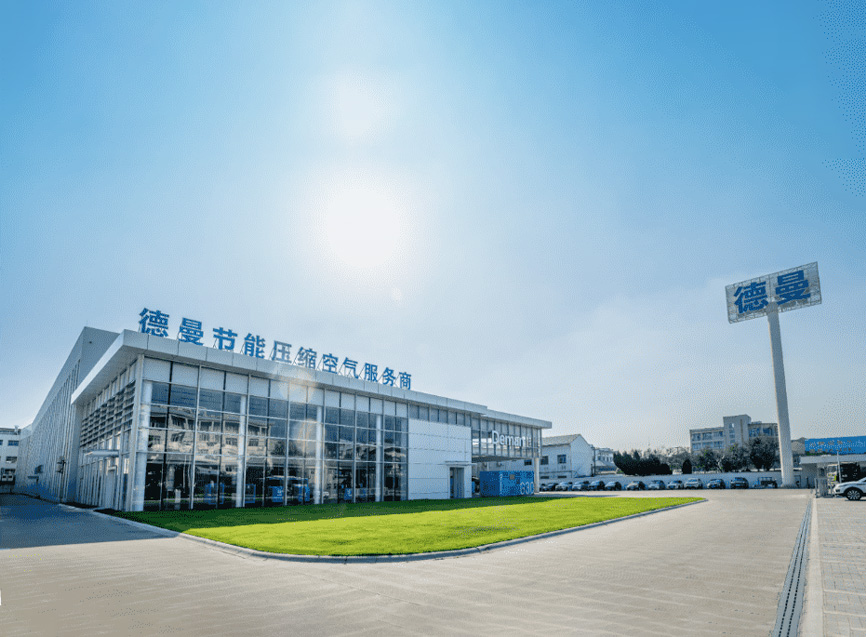
Watch how Deman's advanced engineering integrates PM VSD motors, intelligent control panels, and highly efficient screw hosts to deliver stable, moisture-free compressed air for critical factory operations. Our systems are engineered to maximize uptime while drastically slashing your monthly electric bills.
To fully appreciate the versatility of a 20 Hp air compressor, we must examine its deployment across diverse, high-demand industrial scenarios where energy efficiency and air quality are paramount:
In modern CNC machining workshops, compressed air is used for spindle cooling, tool changers, and blowing away metal chips during cutting. Any drop in air pressure can trigger safety stops on CNC machines, ruining expensive workpieces and causing costly downtime. A 20 Hp air compressor equipped with an integrated air receiver and refrigerated dryer ensures a continuous, moisture-free air supply. Dry air is critical here; moisture in the lines leads to corrosion of pneumatic valves inside the CNC machine and degrades tool life.
Automated packaging lines rely heavily on pneumatic cylinders to push, fold, seal, and sort products. The air demand in these lines is highly dynamic, fluctuating rapidly as machines start and stop. A fixed-speed compressor struggles in this scenario, constantly loading and unloading. A VSD-enabled 20 Hp compressor adjusts its motor speed in milliseconds to match these rapid fluctuations, maintaining a steady system pressure and preventing energy waste during line changeovers or brief halts in production.
Electronics assembly requires clean, dry, and oil-free compressed air to operate pick-and-place machines and pneumatic test fixtures. Oil or moisture contamination can ruin circuit boards and sensitive components. Utilizing a high-efficiency 20 Hp compressor paired with a multi-stage filtration system and an intelligent PM VSD refrigerated air dryer ensures the air meets ISO 8573.1 Class 1 or Class 2 standards for purity, safeguarding product quality and operational yield.
Founded in 1998, Deman has been at the forefront of the air compressor industry by leading energy-saving initiatives in China. We are the primary drafter of China's industry standards for VSD Oil-injected (JB/T10972) and PM VSD Screw Air Compressors (JB/T 13345-2017).
As a China National High-tech Enterprise, Deman has integrated capabilities in R&D, manufacturing, sales, and service. We have a robust R&D team of over 140 technical professionals. Our factory, based in Ningbo, China is ISO9001:2015, ISO14001:2015, and ISO45001:2018 certified. Our product testing process strictly adheres to ASME and ISA1932 standards to ensure the delivery of safe and reliable compressors.
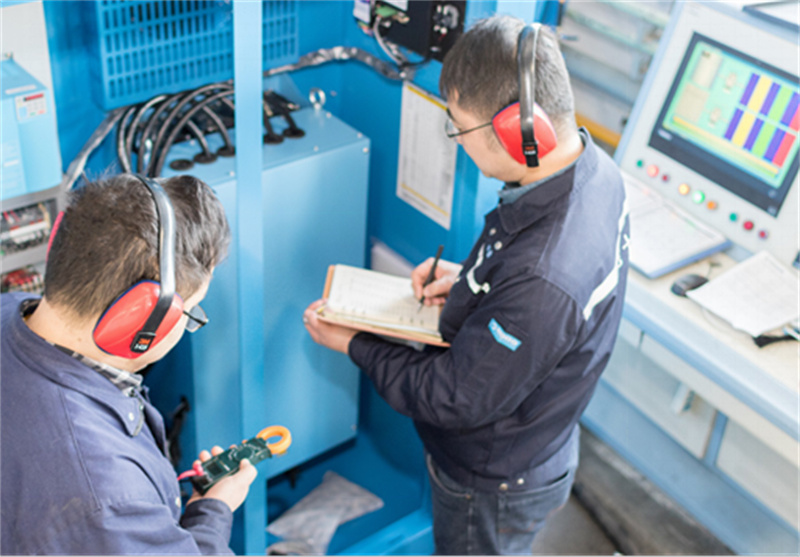
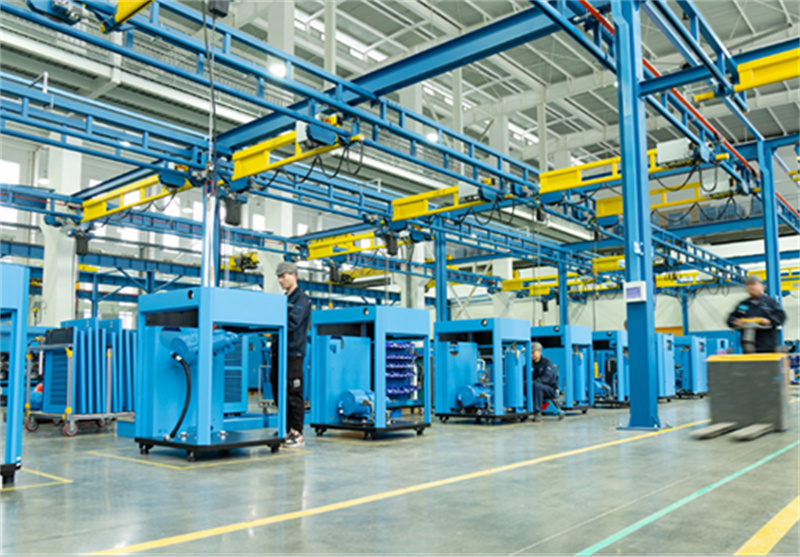
Explore our state-of-the-art manufacturing facilities, acoustic laboratories, and testing rooms designed to guarantee the highest quality and lowest noise emissions for every compressor unit we produce.
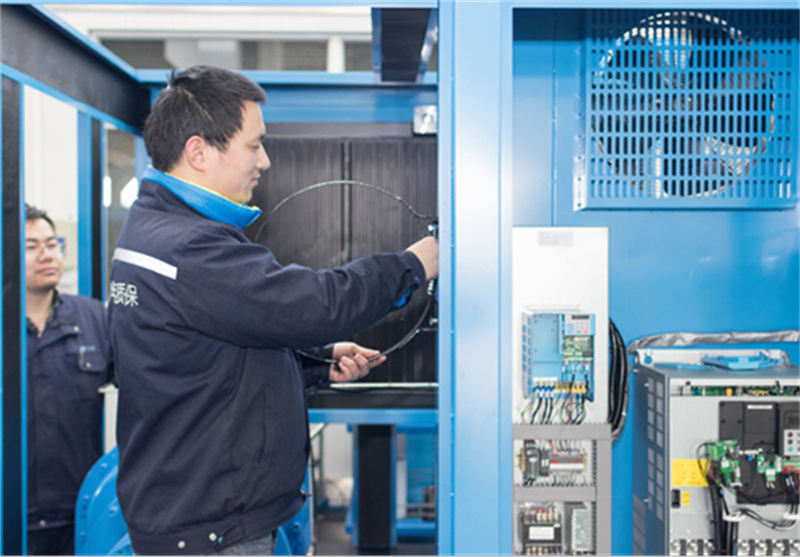
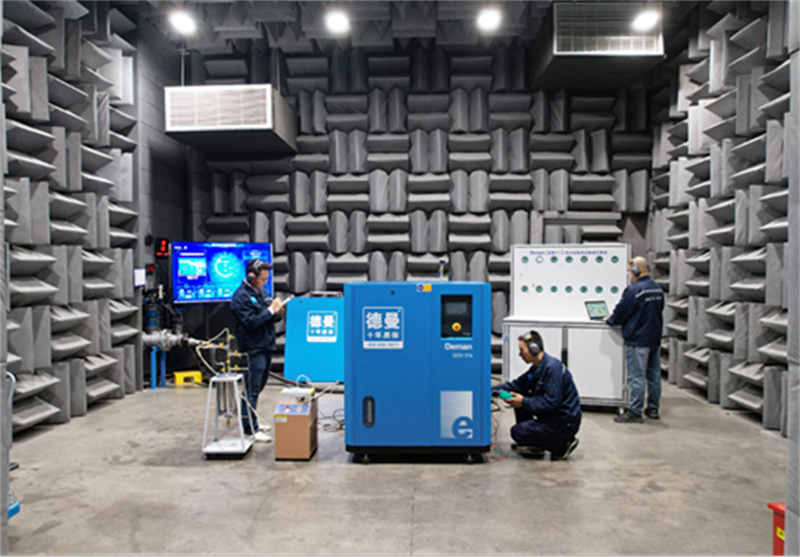
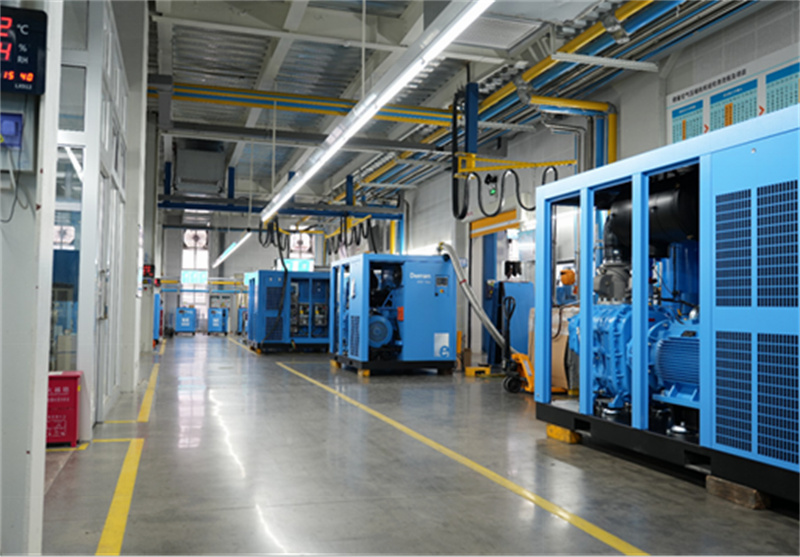
We follow six-end solutions to create infinite value for client’s efficient use of compressed air.
"No planning, no machine selling". We make sure to understand the air pressure, air flow, and air quality requirement of each air use terminal at client’s factory, before selling anything. When most customers want to spend less for a better machine, we think it is necessary to invest time in planning, to avoid mismatched systems that can reduce production efficiency.
Applying “Three-dimensional Customization”, meaning customize the compressor station in terms of air pressure, air flow, and air quality requirements. By selecting the best combination of Deman air compressors + air dryers + heat recovery unit + “Air Commander” central control system, we make sure customers not only have improved production quality, but also reduced energy consumption.
In order to make customers’ lives easier, we established a professional team for designing and installing air pipe networks using Deman energy-saving aluminum alloy or stainless-steel green air pipe. Our scientific design, green materials, and professional installation ensure efficient air transmission with minimal pressure drop.
To achieve true energy efficiency, plants must look beyond the compressor itself. The entire compressed air system—from intake air filtration to the point-of-use tools—must be optimized. Below are critical strategies that work in tandem with a 20 Hp air compressor system:
For every 4°C (7°F) drop in intake air temperature, the energy required to compress the air is reduced by approximately 1%. Ensuring that the compressor draws cool, clean, and dry air from outside the compressor room rather than hot, dusty air from inside the factory floor is a simple yet highly effective way to boost efficiency.
A pressure drop of just 1 bar (14.5 psi) in the piping system requires an additional 7% in energy at the compressor to overcome. Using smooth-bore aluminum alloy or stainless-steel piping instead of traditional black iron pipes prevents rust buildup and rough surfaces that cause friction. A loop piping layout is also recommended over a dead-end header, allowing air to flow in multiple directions to meet localized demand, balancing the pressure across the entire plant.
Approximately 80% to 90% of the electrical energy consumed by an air compressor is converted into heat. By installing a heat recovery unit, this thermal energy can be reclaimed to preheat boiler feed water, heat washrooms, or provide space heating for the factory floor during winter. This turns a waste product of compression into a valuable utility saving elsewhere in the facility.
Explore our full line of PM VSD compressors, intelligent refrigerated air dryers, and central control systems engineered for maximum reliability and energy savings.